Choosing Materials for Florida Yard Drainage
The right material for a Florida yard drainage project depends on what's causing the water problem and what each material needs to do.
Table of Contents
- TL;DR - Choosing Materials for Florida Yard Drainage
- Start With the Drainage Problem, Not the Material
- When Fill Dirt Is Used for Yard Drainage
- When Aggregate Is Used for Yard Drainage
- When Drainage Pipe May Be Needed
- Fill Dirt vs. Drainage Aggregate vs. Topsoil
- What About Sand for Yard Drainage?
- Florida Soil Conditions Can Change the Solution
- Yard Grading vs. Installing a Drainage System
- Be Careful When Changing Where Water Goes
- How Much Material Do You Need?
- Ordering Materials for a Florida Drainage Project
- Frequently Asked Questions About Florida Yard Drainage Materials
- Need Materials for a Florida Yard Drainage Project?
The right material for a Florida yard drainage project depends on what's causing the water problem. Fill dirt may be used where grade or elevation needs to change, clean aggregate can create permeable drainage zones, and drainage pipe can collect or convey water as part of an appropriate system. Topsoil may be used afterward where a suitable growing layer is needed for lawn or landscaping. Many drainage projects use more than one material because each performs a different function.
Before ordering material, identify whether the problem is primarily grade, soil infiltration, runoff, groundwater, an inadequate outlet, or an existing drainage-system issue. Adding stone or dirt without diagnosing the cause may simply move - or fail to solve - the problem.
TL;DR - Choosing Materials for Florida Yard Drainage
- Identify the cause of the drainage problem before ordering material.
- Fill dirt can help establish grade or elevation where appropriate.
- Clean, appropriately graded aggregate can create permeable drainage zones.
- Drainage pipe can collect or convey water when part of a suitable drainage system.
- Topsoil is primarily a growing material, not a structural fill or universal drainage fix.
- Sandy Florida soil doesn't guarantee good site drainage.
- Some drainage problems require grading, drainage infrastructure, or professional evaluation rather than simply adding material.
Start With the Drainage Problem, Not the Material
Standing water and persistently wet areas can have multiple causes, and similar symptoms can point to very different problems. Common symptoms include:
- standing water after rainfall
- chronically wet lawn areas
- low spots
- runoff collecting near structures
- water crossing patios or walkways
- saturated planting areas
- erosion
- water collecting along property boundaries
The underlying cause could be low elevation, improper surface grade, compacted or layered soil, concentrated roof or pavement runoff, an insufficient outlet, high groundwater, a failing drainage system, or even changes made on a surrounding property. A low spot that collects runoff may require a completely different solution from a level yard affected by high groundwater or a failed drain - the symptom alone doesn't tell you which one you're dealing with. See our guide to Florida soil types and what they mean for landscaping for more on how site conditions vary.
When Fill Dirt Is Used for Yard Drainage
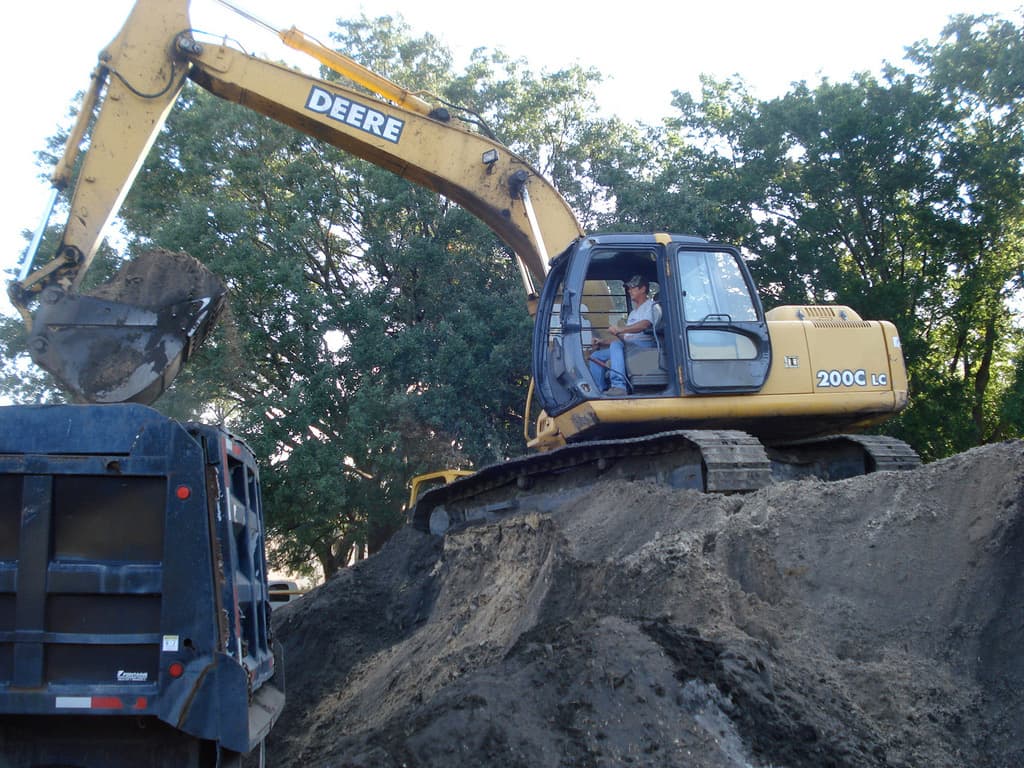
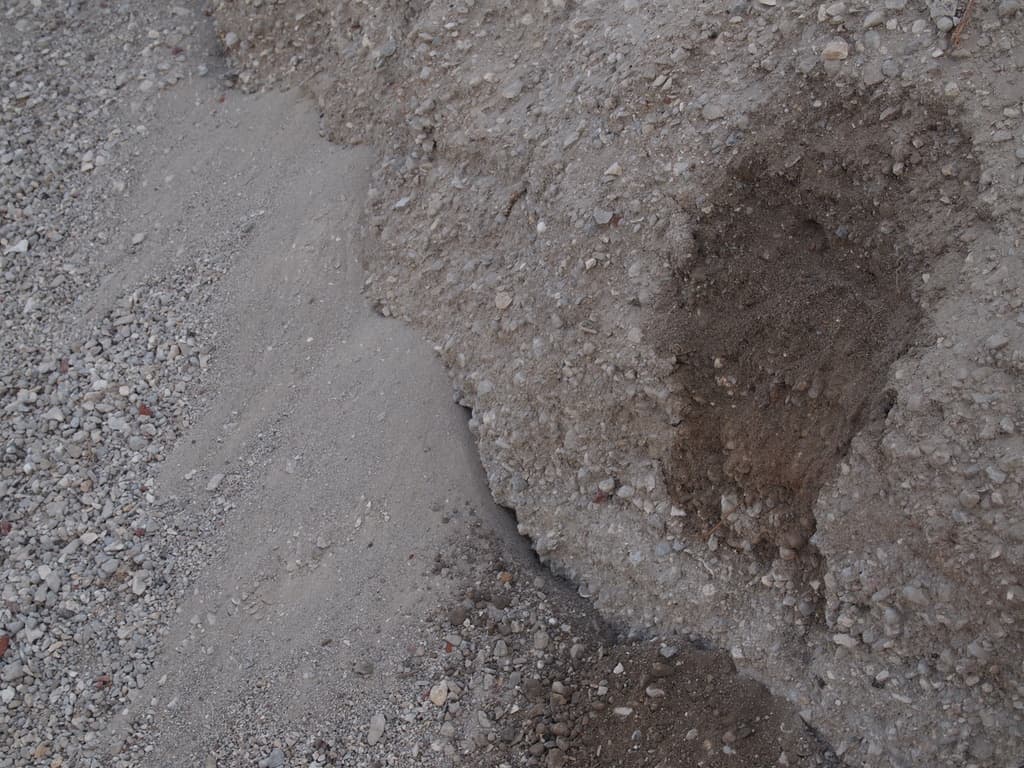
Fill dirt may be useful when elevation needs to be raised, low areas need to be corrected as part of grading, a larger grade needs to be established, or substantial volume is required beneath a finished landscape layer.
Fill dirt doesn't drain water simply because it's called fill dirt - its role is generally to build or change grade. Changing grade can redirect water elsewhere on the property, so projects near structures or property boundaries need to be planned carefully rather than treated as a simple dirt-in-the-hole fix. See our guides on fill dirt for Florida grading and sitework and how to fill low areas in a yard for more detail.
When Aggregate Is Used for Yard Drainage
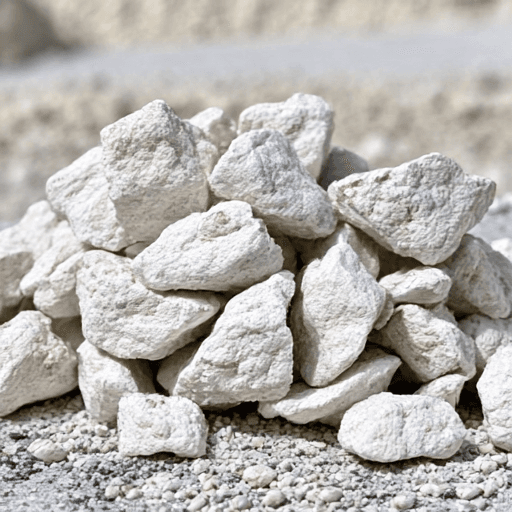
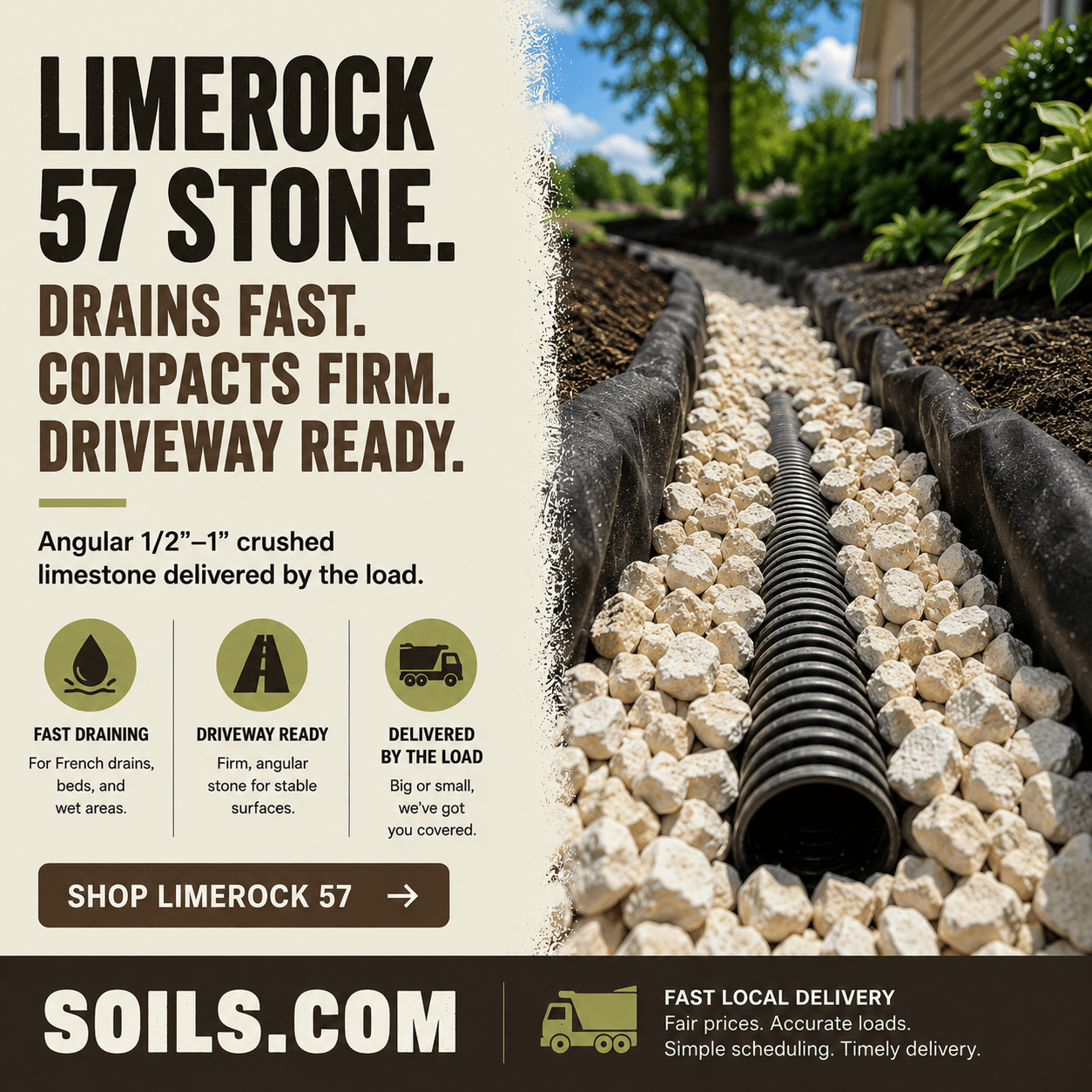
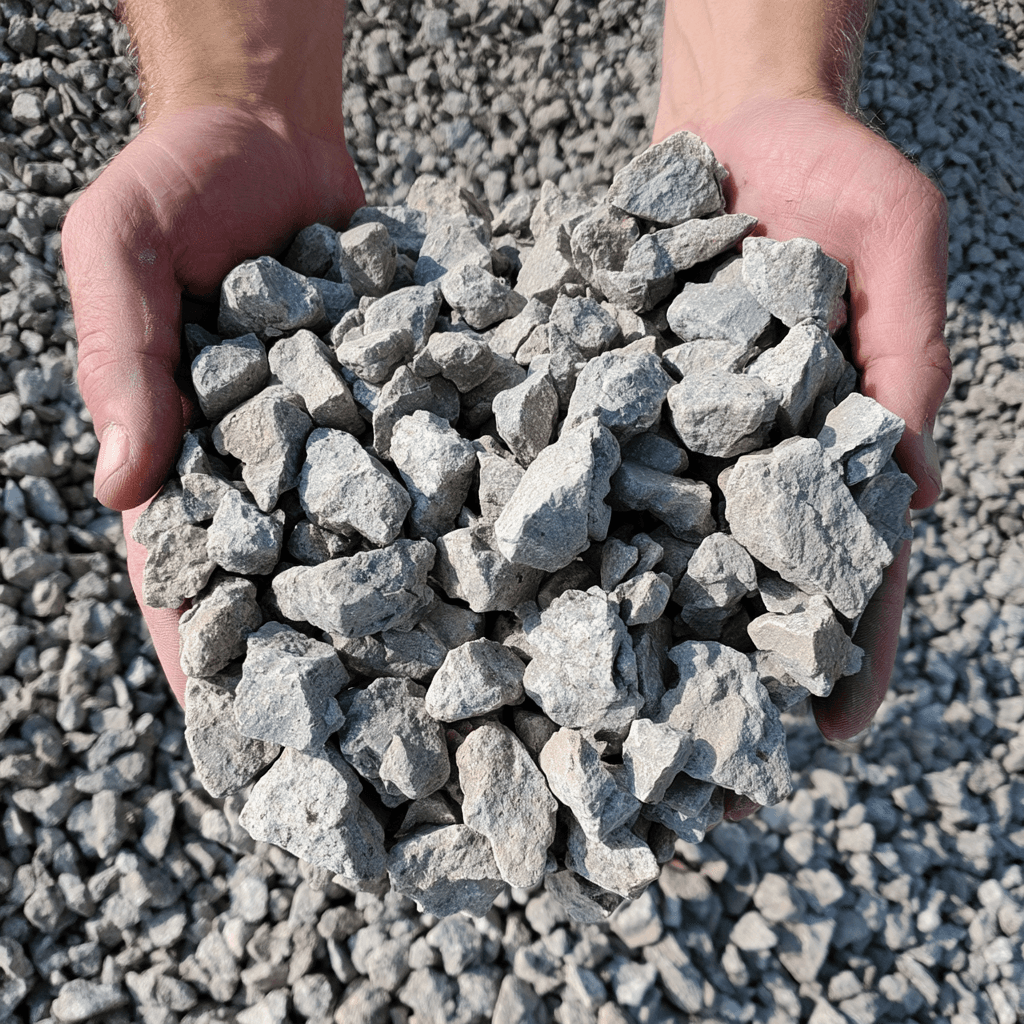
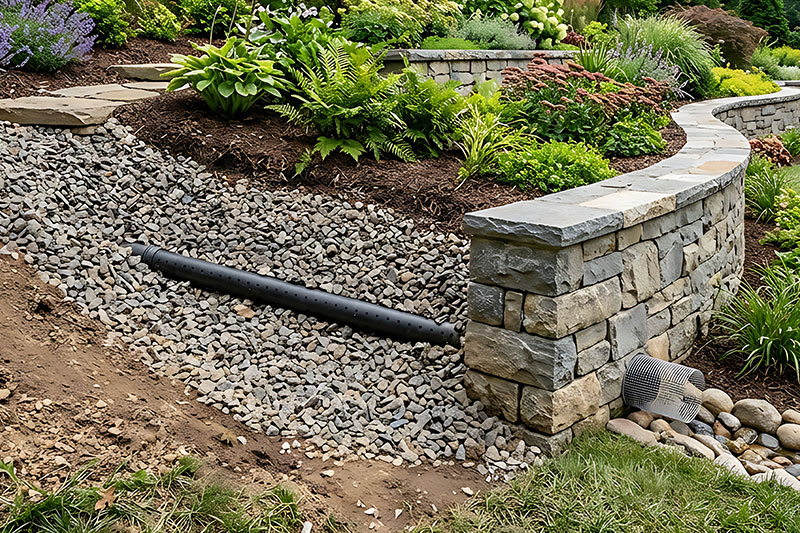
Aggregate can be appropriate where the design needs a permeable stone zone that allows water movement - drainage trenches, areas around certain drainage pipes, drainage layers, landscape drainage features, and other systems requiring coarse, appropriately graded aggregate.
Aggregate doesn't make water disappear. It creates void space through which water can move, so the overall drainage system still needs an appropriate way to manage or discharge that water once it gets there. #57 stone is one common example used in some drainage applications - see our guide to what #57 limestone is for more - but the right choice always depends on the system design. For the fuller picture on aggregate selection specifically, see our guide to best aggregate for Florida drainage projects.
When Drainage Pipe May Be Needed
Pipe may be part of a system designed to collect subsurface water, intercept water, move collected water, convey surface water from drains or inlets, or connect drainage components to an appropriate outlet.
Perforated pipe may be used where a system is designed to collect water along its length, while solid pipe may be used where collected water needs to be conveyed without intentionally taking in additional water along that section. Pipe diameter, slope, trench dimensions, and perforation orientation all depend on the specific system design rather than one universal answer.
Fill Dirt vs. Drainage Aggregate vs. Topsoil
| Material | Primary Function | Typical Drainage-Related Role |
|---|---|---|
| Fill Dirt | Build/change grade | Raise low areas or establish elevation |
| Drainage Aggregate | Maintain permeable void space | Drainage trenches, stone zones, certain pipe systems |
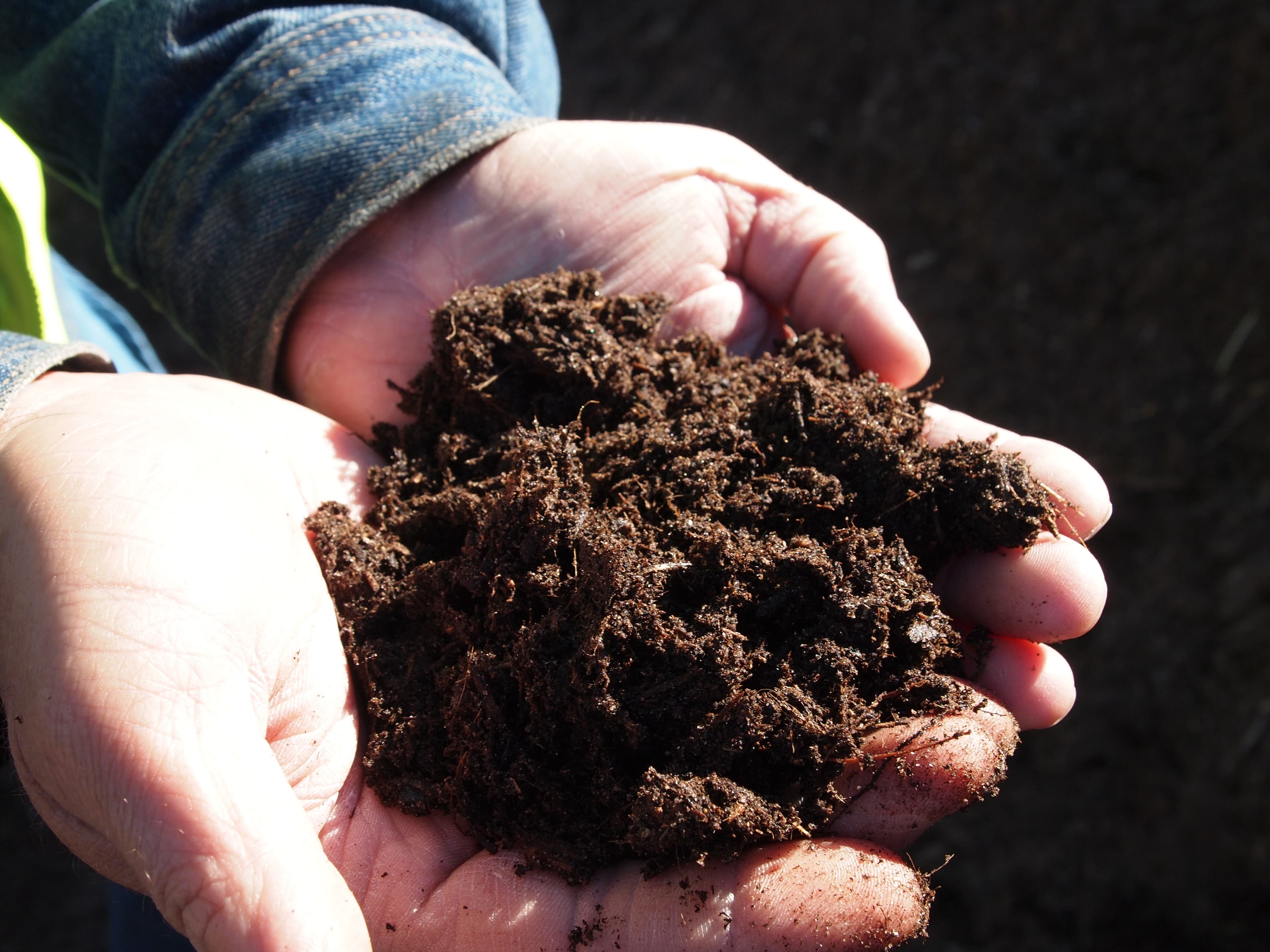
| Topsoil | Support plant growth | Finished growing layer after grading/site restoration |
| Drainage Pipe | Collect/convey water | Move water through a designed drainage system |
These materials aren't substitutes for one another. A single yard drainage project may use several of them at different stages - fill dirt to correct the grade, aggregate and pipe to manage water, and topsoil afterward to restore the finished lawn or landscaping on top. See our guide to topsoil vs. fill dirt for more on that particular pairing, and our guide to choosing topsoil for a Florida lawn for the restoration step.
What About Sand for Yard Drainage?
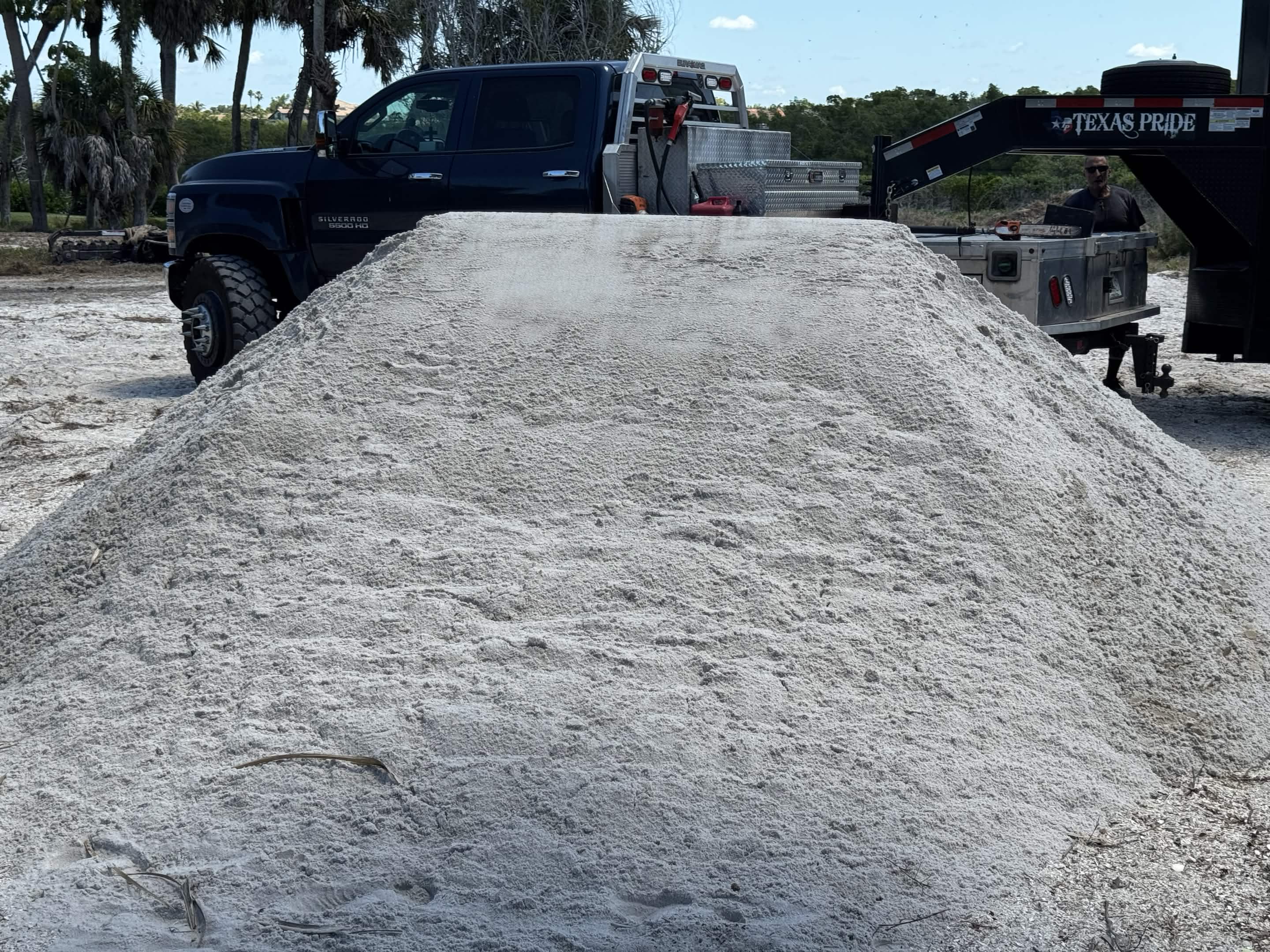
Sand can have roles in landscaping and construction, but simply adding sand to a wet area isn't a universal drainage solution. The underlying problem may be related to grade, underlying soil layers, groundwater, runoff, or outlet limitations - none of which sand by itself addresses. It's also worth avoiding the temptation to mix an arbitrary amount of sand into existing soil hoping to improve drainage; doing so doesn't address many of the underlying causes of poor site drainage. See our Sand Guides if sand does have a legitimate role in your broader landscaping plans.
Florida Soil Conditions Can Change the Solution
Sandy surface soils, finer underlying layers, compacted or disturbed soils, imported fill, and high groundwater in some locations can all vary from site to site - and even within the same property. The material visible at the surface doesn't necessarily tell you what's controlling drainage deeper in the soil profile, which is exactly why diagnosis matters more than assumptions based on what the top few inches look like.
Yard Grading vs. Installing a Drainage System
Grading may be part of the solution when surface water is collecting because of elevation, a low spot needs correction, or runoff needs to follow an appropriate surface path. A drainage system may be worth considering when water needs to be actively collected or conveyed, surface grading alone isn't appropriate for the situation, or site conditions require a defined drainage route rather than a graded surface slope.
Sometimes both are needed - a project might regrade part of the yard and install a drainage system in another part, depending on what's actually happening on-site. See our guide to fill dirt for grading and leveling for more on that side of the project.
Be Careful When Changing Where Water Goes
Changing grade, adding fill, installing drains, or redirecting runoff can affect neighboring properties, structures, sidewalks or roads, drainage easements, existing drainage infrastructure, and regulated areas. For substantial drainage changes, work near structures, engineered systems, wetlands or other regulatory areas, or situations with uncertain site conditions, professional evaluation and applicable approvals may be appropriate before moving forward.
How Much Material Do You Need?
Because a drainage project can involve several different materials, there's no single formula that covers the whole thing - each material layer or zone needs to be calculated separately.
For simple rectangular areas, calculate cubic yards using:
Length (ft) x Width (ft) x Depth (inches) / 324 = Cubic Yards
Fill areas may have variable depths, aggregate trenches may have different geometry entirely, and topsoil restoration is its own separate layer - pipe, of course, isn't measured in cubic yards at all. Use the Fill Dirt Calculator and Topsoil Calculator to estimate those materials individually.
Ordering Materials for a Florida Drainage Project
Before ordering, diagnose the drainage problem, determine what each material needs to accomplish, confirm any project specifications, calculate quantities separately, check ZIP-based availability and pricing, and plan delivery access and dump locations. See our guide on bulk landscape material delivery in Florida for more on that process.
Soils.com provides bulk soil, fill dirt, aggregate, sand, and landscaping materials throughout Florida. Visit our Florida delivery locations to find your area and check locally available materials and delivered pricing.
Frequently Asked Questions About Florida Yard Drainage Materials
What is the best material for yard drainage in Florida?
There isn't one best material. Fill dirt can address grade/elevation, drainage aggregate can create permeable stone zones, and pipe can collect or convey water. The appropriate materials depend on what's causing the drainage problem.
Should I use fill dirt or gravel for a wet area?
It depends on the cause. Fill dirt is generally used to change grade or elevation, while appropriately graded aggregate can be used in drainage zones. Neither should be added before understanding why the area stays wet.
Is #57 stone good for yard drainage?
#57 stone is commonly used in some drainage applications, but suitability depends on the drainage-system design, actual supplied material, surrounding soil, and project requirements.
Will adding topsoil fix standing water?
Usually not if the underlying problem is grade, drainage, groundwater, or an inadequate outlet. Topsoil is primarily used to provide a suitable growing layer for lawns and landscaping.
Why does my Florida yard hold water if the soil is sandy?
Surface sand doesn't guarantee good site drainage. Compacted or finer soil layers, low grade, groundwater, runoff, disturbed soil, or inadequate outlets can all contribute to standing water.
Need Materials for a Florida Yard Drainage Project?
Once you've identified what's causing the drainage problem and which materials your project requires, calculate each material separately and check local availability. Soils.com provides bulk soil, fill dirt, aggregate, sand, and landscaping material delivery throughout Florida.