
Best Topsoil for Florida Lawns
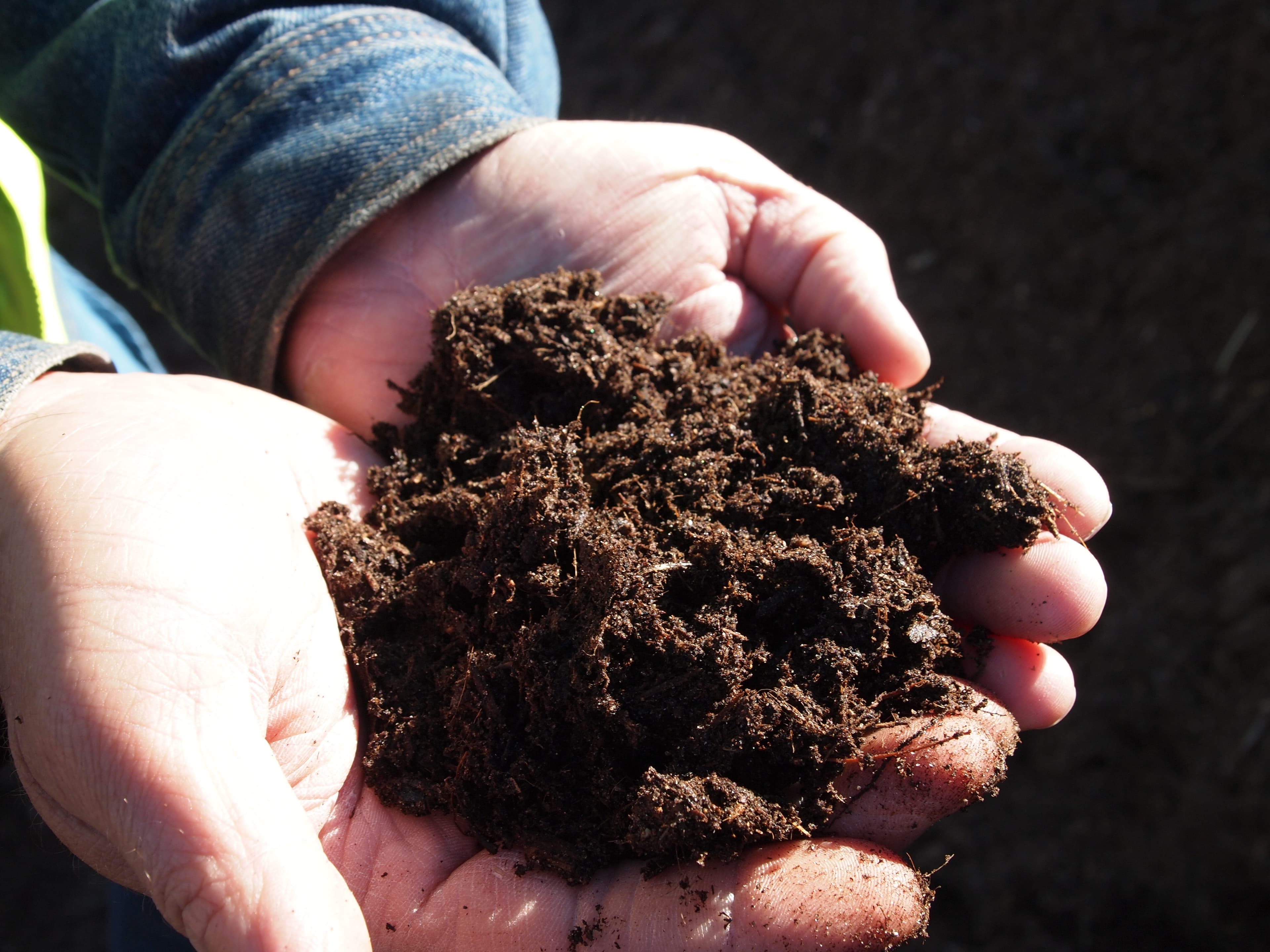
The best topsoil for a Florida lawn is one that provides a suitable growing layer for the grass being established and complements the existing site soil.
Table of Contents
- TL;DR - Choosing Topsoil for a Florida Lawn
- Why Florida Lawns Can Need Additional Topsoil
- What Makes a Good Topsoil for a Florida Lawn?
- Topsoil and Florida's Sandy Soils
- Topsoil for New Sod in Florida
- How Much Topsoil Does a Florida Lawn Need?
- How Deep Should Topsoil Be for a Florida Lawn?
- Topsoil vs. Fill Dirt for Florida Lawns
- Does Adding Topsoil Fix Florida Lawn Drainage?
- Buying Bulk Topsoil in Florida
- Where Can You Get Topsoil Delivered in Florida?
- Frequently Asked Questions About Topsoil for Florida Lawns
- Need Topsoil Delivered in Florida?
Because many Florida properties have sandy or disturbed soils, topsoil may be used before sod or seed, for lawn restoration, or where additional growing soil is needed. The right material and depth depend on the existing soil, grass type, drainage, grading, and project conditions.
Don't choose topsoil based on the word "topsoil" alone. Product characteristics can vary by supplier and source, so evaluate the actual material and the needs of the lawn. For background on the material itself, see our guide to what topsoil is and how it's used.
TL;DR - Choosing Topsoil for a Florida Lawn
- There isn't one universal topsoil specification for every Florida lawn.
- Evaluate the existing soil before deciding whether additional topsoil is necessary.
- Topsoil may be useful when establishing sod or seed, restoring disturbed areas, or adding a suitable growing layer.
- Florida's sandy soils can create different water- and nutrient-management considerations than finer-textured soils, but conditions vary by property.
- Topsoil depth should depend on the lawn and site rather than a universal number.
- Drainage, grading, irrigation, and grass selection should be considered separately from simply adding topsoil.
- When buying bulk topsoil, evaluate the actual supplied material rather than relying solely on the product name.
Why Florida Lawns Can Need Additional Topsoil
Naturally sandy soils are common across substantial portions of Florida, but developed properties may also have disturbed, compacted, graded, or imported soil left over from construction. New development can leave surface conditions quite different from a site's original soil. Some lawns already have suitable soil and don't need a new layer of topsoil, while others may benefit from additional growing soil before establishing or restoring turf.
Florida's soils vary considerably, and the need for topsoil should be based on actual site conditions rather than an assumption that every Florida property has the same soil. North Florida, Central Florida, South Florida, coastal areas, and inland sites can all differ, sometimes even within the same neighborhood.
What Makes a Good Topsoil for a Florida Lawn?
Suitable Texture
The material should provide a workable growing medium appropriate for the intended lawn and existing site conditions. There's no single sand/silt/clay ratio that's universally "correct."
Organic Matter
Organic matter can contribute to soil properties important for plant growth, but there's no fixed percentage that every good topsoil must contain - content varies by product and source.
Reasonable Consistency and Cleanliness
Look for material that's reasonably free of excessive debris, large rocks, construction material, and other unwanted content. That said, even screened topsoil shouldn't be assumed completely free of rocks, weeds, or weed seed.
Compatibility With the Existing Site
A topsoil that works well in one application isn't automatically ideal everywhere. The material needs to make sense with the existing soil, drainage, turf selection, irrigation, and intended depth.
Product Source and Specification
"Topsoil" is a broad commercial term, and different suppliers can provide materials with different textures, organic content, screening, and source characteristics. Evaluate the actual material being delivered, not just the label "topsoil."
Topsoil and Florida's Sandy Soils
Sandy soils generally have larger particles and can allow water to move through relatively quickly compared with finer-textured soils. That can influence water retention, nutrient management, irrigation needs, and how new turf establishes - but it doesn't mean grass can't grow in native Florida soil, or that Florida sand is somehow too fast-draining for a lawn everywhere it occurs.
Where existing sandy soil doesn't provide the growing conditions a particular lawn needs, suitable topsoil may be used to establish or improve the upper growing layer. It's worth noting, though, that adding topsoil doesn't automatically solve a drainage problem - that's a separate consideration covered further below. For a closer look at how Florida's varied soil types affect landscaping decisions, see our guide on Florida soil types and what they mean for landscaping.
Topsoil for New Sod in Florida
Existing soil should be evaluated and, where needed, prepared before sod installation. Topsoil may be appropriate where additional suitable growing soil is needed, while grading and site preparation should also be considered as part of the overall installation. That said, adding topsoil isn't universally required before laying sod - some sites already have suitable soil, and sod requirements can vary by grass type and site.
For a deeper look at preparing soil specifically for sod in Florida, see our guide on choosing soil for Florida sod installation.
How Much Topsoil Does a Florida Lawn Need?
The same volume calculation applies to Florida lawn projects:
Length (ft) x Width (ft) x Depth (inches) / 324 = Cubic Yards
Quantity depends on your lawn area, the required depth, and existing grade and site conditions. There's no separate "Florida formula," and no universal overage percentage to apply on top of the calculation. See our guide on how much topsoil you need for the full methodology, or use the Topsoil Calculator directly.
How Deep Should Topsoil Be for a Florida Lawn?
There isn't one universal depth for Florida lawns. It depends on the existing soil, whether you're establishing a new lawn or restoring an existing one, grass or sod requirements, grading, the intended growing layer, and overall site conditions. See our guide on how deep topsoil should be for more detail.
Topsoil vs. Fill Dirt for Florida Lawns
Fill dirt is generally used to build grade, change elevation, or fill areas, while topsoil is used where a growing layer is needed. A project may use both - fill dirt to establish the underlying grade or elevation, and topsoil to establish the upper growing layer. See our guide to topsoil vs. fill dirt for the full comparison, and our guide on fill dirt for Florida grading and sitework if your project involves elevation changes before the lawn goes in.
Does Adding Topsoil Fix Florida Lawn Drainage?
Topsoil shouldn't be expected to correct an underlying drainage problem by itself. Drainage issues can involve grade, runoff, low areas, soil conditions, compaction, groundwater, and inadequate outlets - none of which topsoil alone addresses. Where drainage is the underlying issue on your property, see our guide on choosing materials for Florida yard drainage.
Buying Bulk Topsoil in Florida
Before ordering, calculate your volume, confirm delivery availability for your exact ZIP code, and keep in mind that product characteristics can vary by source and supplier - confirm what's actually being supplied when specific material characteristics matter to your project. It's also worth considering safe dump-truck access and a suitable dump location ahead of delivery. Availability and delivered pricing can vary based on your ZIP code, quantity, supplier coverage, and delivery conditions.
See our guide on how bulk landscape material delivery works in Florida for more on the delivery process, and our guide on what affects bulk topsoil cost in Florida for more on pricing factors.
Where Can You Get Topsoil Delivered in Florida?
Soils.com offers bulk topsoil delivery across Florida for residential, landscaping, construction, and property-improvement projects. Availability and delivered pricing are based on the delivery location, quantity, supplier coverage, and site conditions.
Visit our Florida delivery locations to find your area and explore locally available bulk materials.
Frequently Asked Questions About Topsoil for Florida Lawns
What is the best topsoil for a Florida lawn?
There isn't one universal topsoil for every Florida property. Look for material suitable for establishing a growing layer and evaluate its characteristics against the existing soil, grass requirements, drainage, and project conditions.
Do I need topsoil before laying sod in Florida?
Not necessarily. Some sites already have suitable soil, while others may need additional growing soil or site preparation. Evaluate existing conditions and the requirements of the sod before deciding.
Is topsoil good for sandy Florida soil?
Topsoil may be useful where existing sandy soil doesn't provide the growing conditions required for the lawn. The appropriate material and amount depend on the existing soil and project.
How deep should topsoil be for a Florida lawn?
There isn't one universal depth. The appropriate depth depends on existing soil conditions, the lawn or sod requirements, grading, and the purpose of the added growing layer.
Can I put topsoil over fill dirt before installing grass?
Yes, a project may use fill dirt to establish grade or elevation and topsoil as the upper growing layer. The appropriate materials and layer depths depend on the site and project requirements.
Need Topsoil Delivered in Florida?
Once you've determined the area and topsoil depth your lawn project requires, use our Calculate Topsoil to estimate the quantity needed. Soils.com provides bulk topsoil delivery throughout Florida, with delivered pricing and availability based on your ZIP code.