Choosing Soil for Florida Sod Installation
The best soil approach for Florida sod installation depends on what's already on the site.
Table of Contents
- TL;DR - Preparing Soil for Sod in Florida
- Start by Evaluating the Existing Soil
- Does New Sod Need Topsoil in Florida?
- What Type of Topsoil Works Under Sod?
- Preparing Sandy Florida Soil for Sod
- Grading Before Sod Installation
- Topsoil vs. Fill Dirt Before Installing Sod
- How Deep Should Topsoil Be Before Sod?
- How Much Topsoil Do You Need for Sod?
- Drainage Problems Should Be Addressed Separately
- Before the Sod Is Installed
- Ordering Bulk Topsoil for a Florida Sod Project
- Frequently Asked Questions About Soil for Florida Sod
- Need Topsoil for a Florida Sod Project?
Some properties already have suitable soil and mainly need proper preparation, while others may benefit from additional topsoil before sod is installed. Existing soil texture, grading, compaction, drainage, sod requirements, and the condition of the planting area should all be evaluated before adding material.
Installing sod does not automatically mean you need to add a new layer of topsoil. Determine what the existing site needs first, then choose and calculate material accordingly. That distinction runs through everything below - for a broader look at material characteristics, see our guide to choosing topsoil for Florida lawns.
TL;DR - Preparing Soil for Sod in Florida
- Evaluate the existing soil before ordering topsoil for a sod installation.
- Florida sites vary; don't assume every property consists of the same sandy soil.
- Additional topsoil may be useful where the site lacks an appropriate growing layer.
- Fill dirt and topsoil serve different purposes and shouldn't be treated interchangeably.
- Correct grade, drainage, soil preparation, and irrigation matter alongside soil selection.
- The amount of topsoil needed depends on area and required depth rather than a universal sod-installation rule.
- Consider the requirements of the specific sod or grass being installed.
Start by Evaluating the Existing Soil
Before adding anything, it's worth walking the site and asking a few questions: Is there already an established growing layer? Is the surface predominantly sandy? Has the site recently been graded or developed? Is imported fill present? Are there compacted areas, obvious low spots, or drainage issues? Has old turf or landscaping recently been removed? Is the final elevation already established?
A Florida property can have very different surface conditions from another property just a few miles away - sometimes even across different corners of the same yard. See our guide to Florida soil types and what they mean for landscaping for more on that variation.
Does New Sod Need Topsoil in Florida?
Not always. Topsoil may be useful when additional growing soil is needed, when the existing surface material is unsuitable for establishing turf, when grading or sitework has removed or disturbed the previous growing layer, or when a lawn is being restored after construction or excavation. None of these conditions automatically means topsoil is required on its own - it's worth weighing the whole picture for your specific site.
It's also worth knowing that adding topsoil unnecessarily can change final elevations and may create problems around sidewalks, driveways, patios, structures, drains, and other fixed features. See our guide to what topsoil is if you're not yet familiar with the material itself.
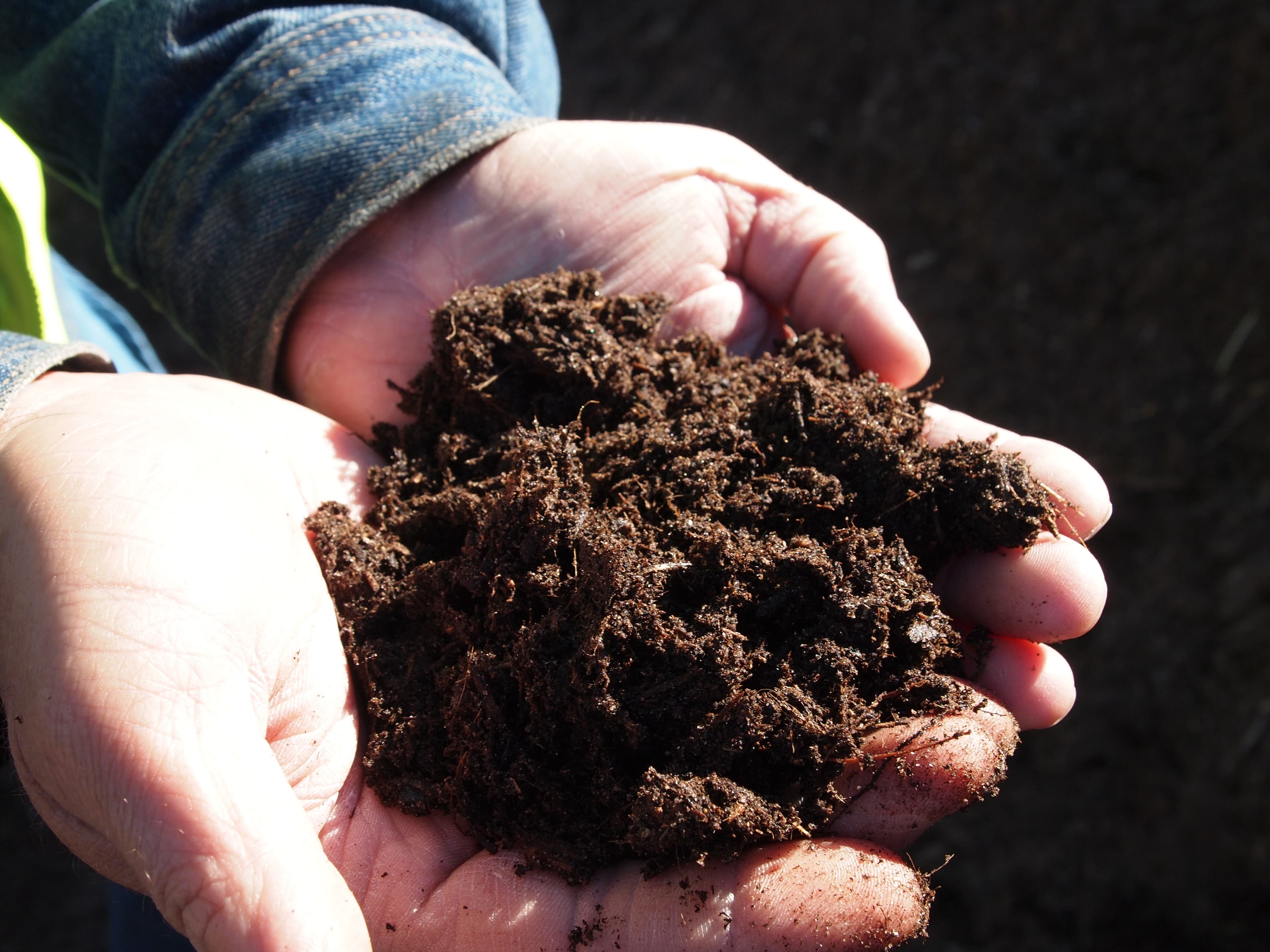
What Type of Topsoil Works Under Sod?
Rather than one fixed recipe, look for a handful of characteristics:
Appropriate Texture - Material should provide a suitable growing medium for the sod and complement existing site conditions.
Organic Matter - Organic matter can influence soil properties relevant to plant growth, though there's no universal percentage every good soil needs to hit.
Consistency and Cleanliness - Look for material reasonably free of excessive debris, construction waste, and oversized material. Even screened soil shouldn't be assumed completely free of weeds, weed seed, or rocks.
Compatibility With Existing Soil - The imported material and underlying soil will function together, so it's worth considering how they'll interact rather than evaluating the new material in isolation.
Actual Product Characteristics - "Topsoil" isn't a standardized guarantee that every supplier's product is identical. Evaluate the actual supplied material where specific characteristics matter to your project.
Preparing Sandy Florida Soil for Sod
Sandy soils are common across substantial parts of Florida, and they generally allow relatively rapid water movement compared with finer-textured soils. That can mean different water and nutrient management than you'd see with finer soils - but it doesn't mean sod can't establish on sandy Florida soil. Whether additional growing soil is appropriate depends on your actual site conditions and the requirements of the sod being installed, not a fixed rule about how much material sandy soil supposedly needs.
Grading Before Sod Installation
Before adding soil or installing sod, it's worth thinking through the final grade: directing surface water away from structures where appropriate, avoiding unintended low areas, and accounting for sidewalks, driveways, patios, and other fixed elevations. Remember that adding soil raises the finished surface - and if a larger elevation change is needed, that calls for a different material strategy than simply adding topsoil across the whole depth.
Topsoil vs. Fill Dirt Before Installing Sod
Fill dirt builds or changes the grade. Topsoil provides the growing layer. If substantial filling or elevation correction is needed, the project may require a different material strategy rather than using topsoil for the entire depth. A project can use fill dirt to establish the underlying grade or elevation, topsoil for the upper growing layer, and sod as the finished turf surface on top of both. See our guide to topsoil vs. fill dirt for the full comparison, and our guide on fill dirt for Florida grading and sitework if your project involves a bigger elevation change.
How Deep Should Topsoil Be Before Sod?
There isn't one universal depth here. It depends on the existing growing soil, the underlying material, sod requirements, grading, the desired finished elevation, and whether the area is being newly established or restored. Someone adding topsoil over an already suitable growing layer may have very different requirements from someone restoring a heavily disturbed construction site. See our guide on how deep topsoil should be for more detail.
How Much Topsoil Do You Need for Sod?
The same volume calculation applies to sod projects:
Length (ft) x Width (ft) x Depth (inches) / 324 = Cubic Yards
Determine your installation area, decide on the appropriate added-soil depth, and calculate cubic yards from there.
Don't assume every sod installation needs the same quantity. See our guide on how much topsoil you need for the full methodology, or use the Topsoil Calculator directly.
Drainage Problems Should Be Addressed Separately
Topsoil isn't a universal drainage correction. Standing water or poor drainage may involve improper grade, low areas, compacted soil, runoff, groundwater, or inadequate drainage outlets and infrastructure. Installing sod over an unresolved drainage issue doesn't correct the underlying cause. See our guide on choosing materials for Florida yard drainage if drainage is part of what you're dealing with.
Before the Sod Is Installed
- Complete major grading and sitework.
- Address known drainage issues.
- Remove inappropriate debris or material from the installation area.
- Add and prepare soil if required.
- Establish the intended final grade.
- Account for fixed elevations.
- Coordinate irrigation considerations.
- Follow installation and preparation requirements for the particular sod being used.
Ordering Bulk Topsoil for a Florida Sod Project
Calculate your required cubic yards, confirm product suitability where particular characteristics matter, and enter your actual delivery ZIP code for availability and pricing. It's also worth planning a safe dump location and considering truck access ahead of time - order based on your project's actual requirements rather than a generic rule of thumb tied to pallets of sod. See our guide on bulk landscape material delivery in Florida for more on the delivery process, and our guide on how much bulk topsoil costs in Florida for pricing factors.
Frequently Asked Questions About Soil for Florida Sod
Do I need to add topsoil before laying sod in Florida?
Not necessarily. Some sites already have suitable growing soil, while others may benefit from additional topsoil. Existing soil, grading, drainage, sod requirements, and site conditions should be evaluated before deciding.
Can sod be installed over sandy soil in Florida?
Sod can be established in sandy soil under appropriate conditions. Whether additional topsoil or soil preparation is needed depends on the existing material, sod requirements, irrigation, drainage, and other site conditions.
Should I use topsoil or fill dirt under sod?
They serve different purposes. Fill dirt is generally used to build grade or change elevation, while topsoil is used where a suitable growing layer is needed. Some projects use both.
How much topsoil should I put under sod?
There isn't one universal depth. Determine the amount based on the existing soil, desired growing layer, final grade, and requirements of the sod being installed.
Can adding topsoil fix drainage before installing sod?
Not necessarily. Drainage problems can result from grading, low areas, compaction, runoff, groundwater, or inadequate drainage outlets. The underlying cause should be identified rather than assuming topsoil will correct it.
Need Topsoil for a Florida Sod Project?
Once you've determined whether your sod project requires additional topsoil and the depth needed, use our Calculate Topsoil to estimate cubic yards. Soils.com provides bulk topsoil delivery throughout Florida. Visit our Florida delivery locations to find your area and check locally available materials.