
EM
Eric M.
Cape Coral, FL
"Weekend project. Was nervous about getting a slot at all. Booked Wednesday night and it was on the driveway by Friday morning. Honestly easier than calling around for two days like I usually do."
Recommended
Soils
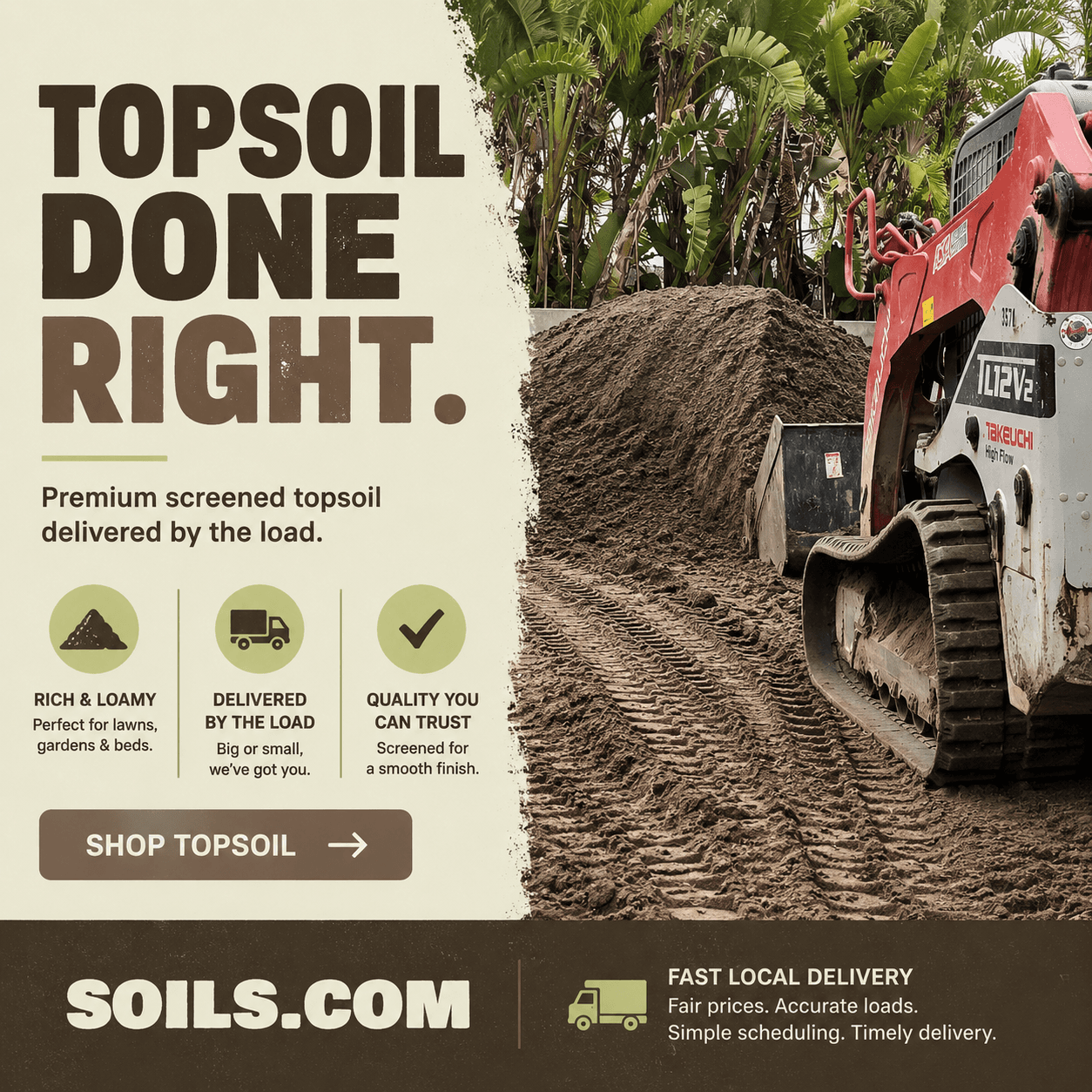
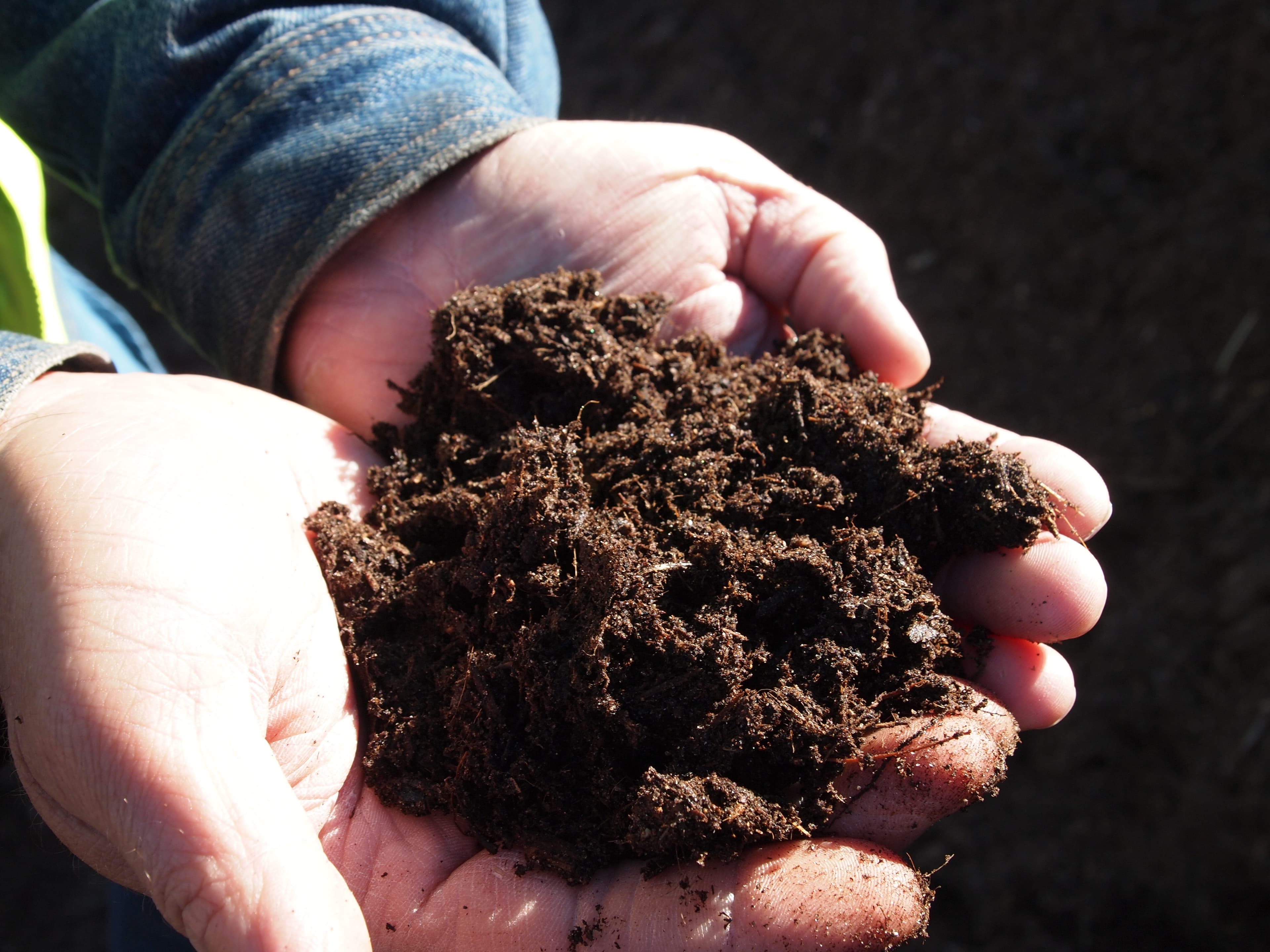
Topsoil
Check price
Price shown after city or ZIP
Soils
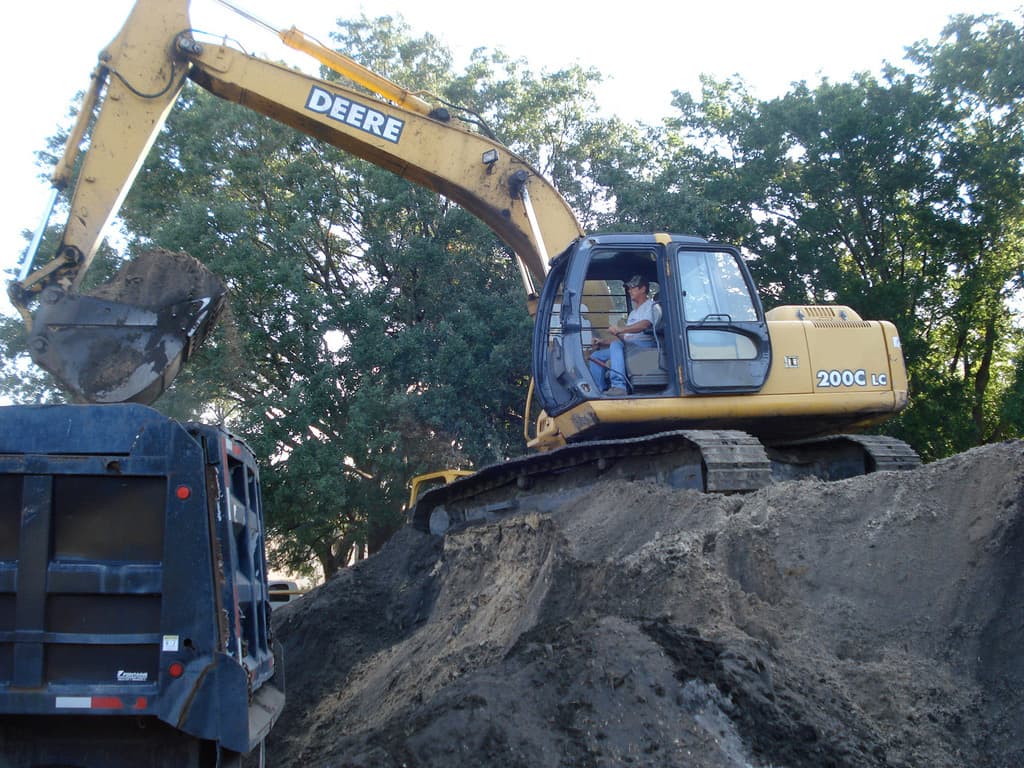
Fill Dirt
Check price
Price shown after city or ZIP
Sands
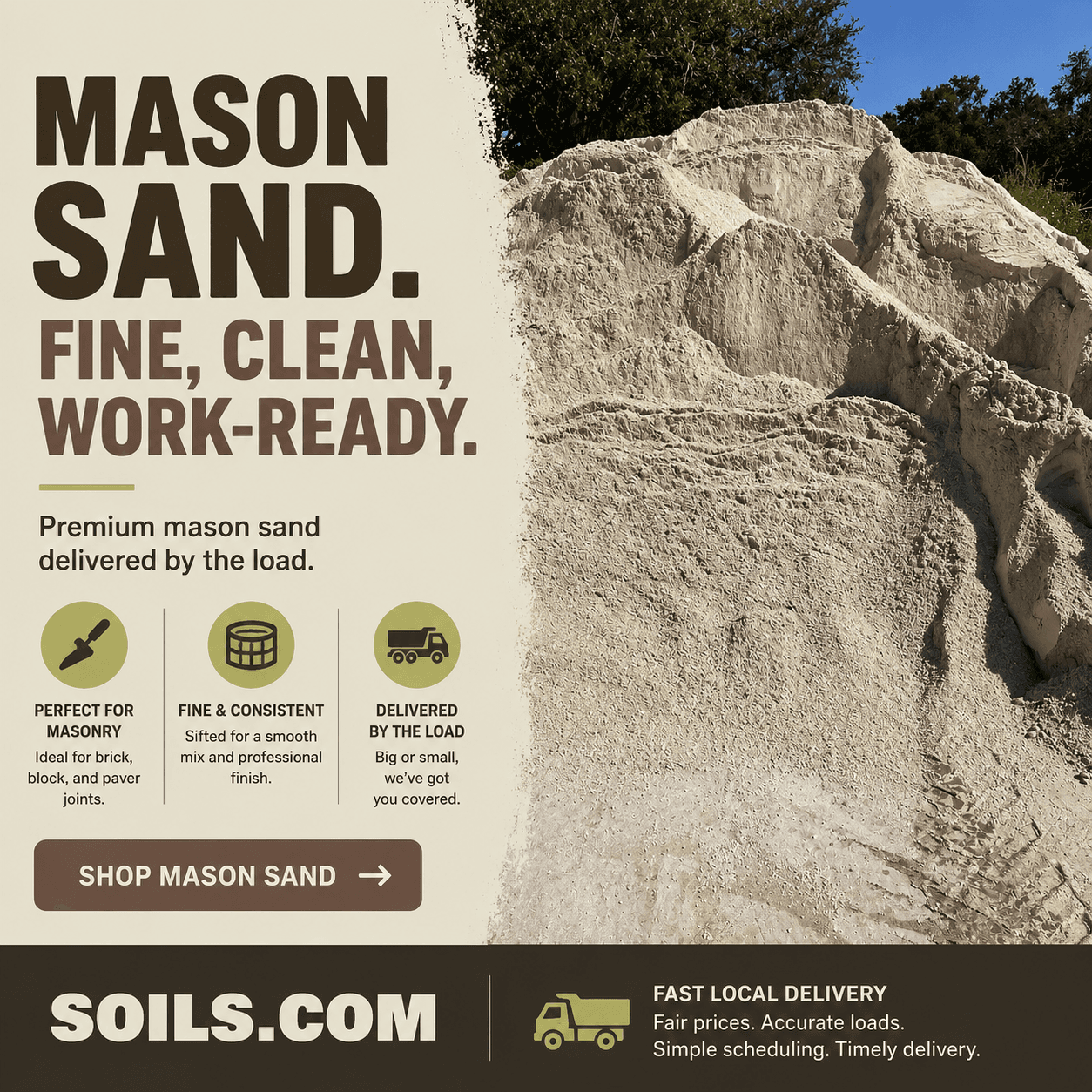
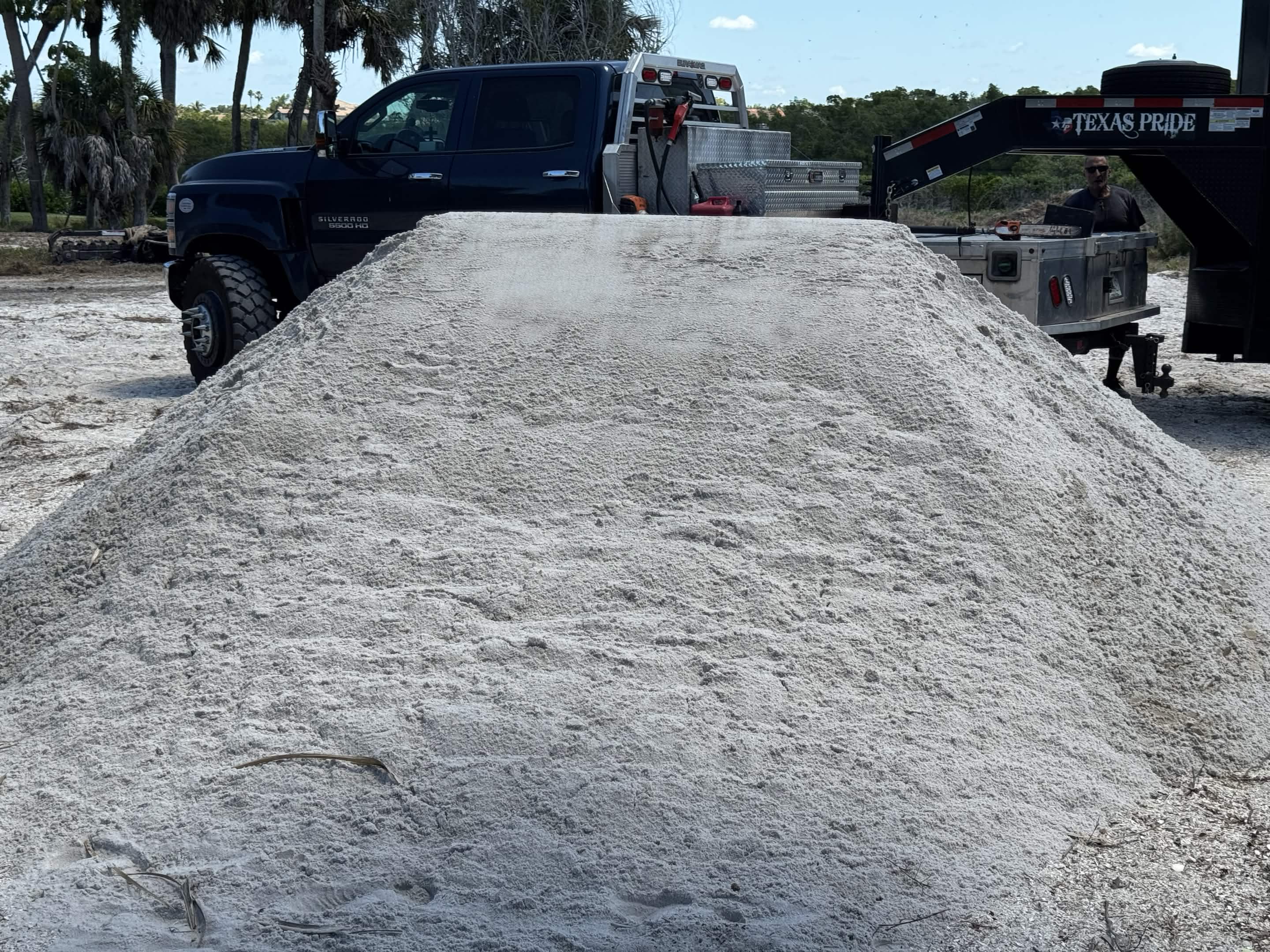
Mason Sand
Check price
Price shown after city or ZIP
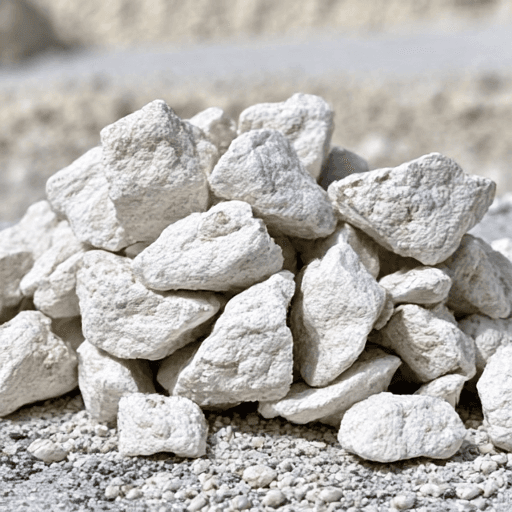
Aggregates
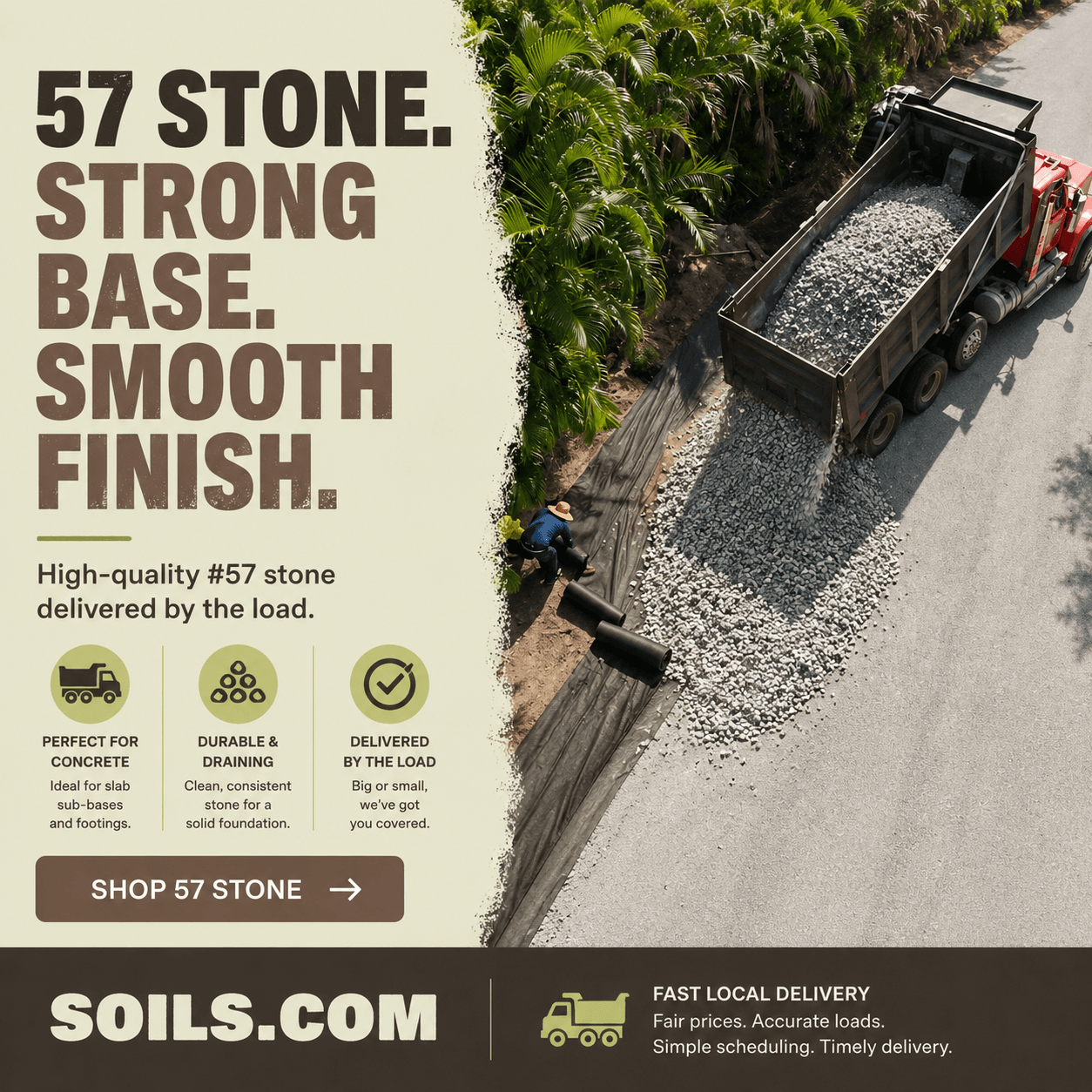
57 Limestone
Check price
Price shown after city or ZIP
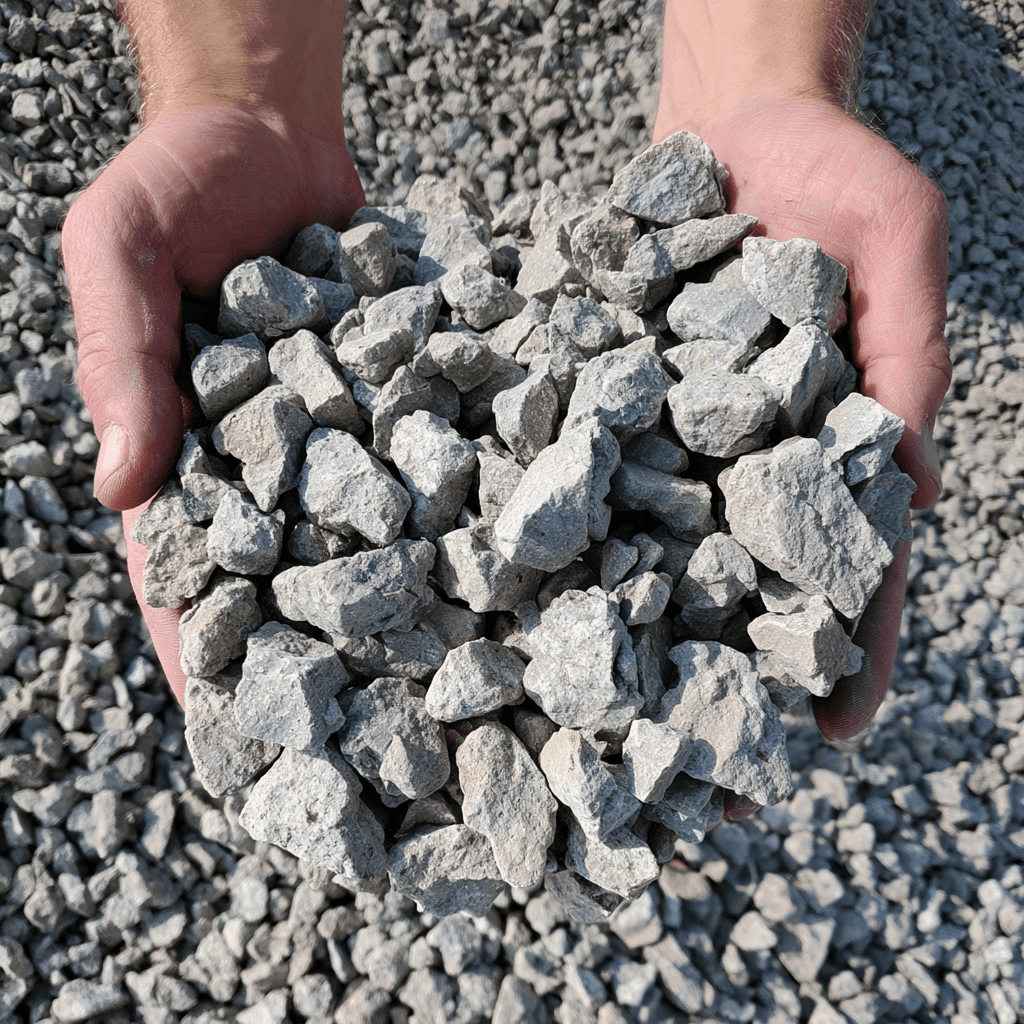
Aggregates
Recycled 57 Concrete
Check price
Price shown after city or ZIP
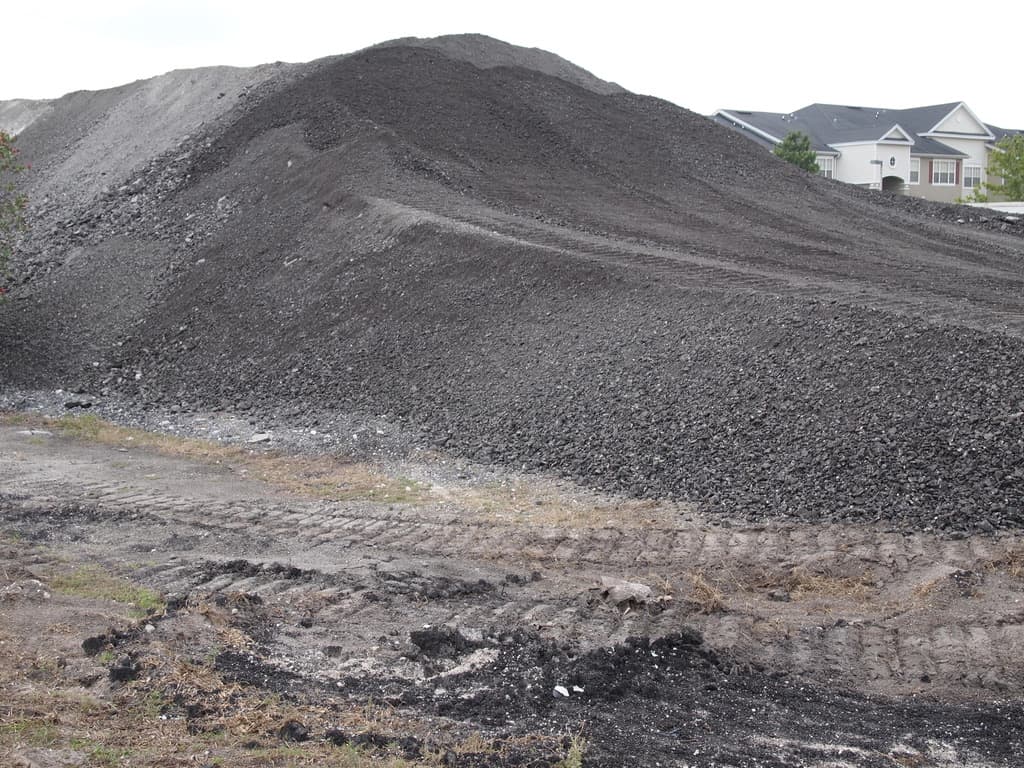
Aggregates
Crushed Asphalt Millings
Check price
Price shown after city or ZIP
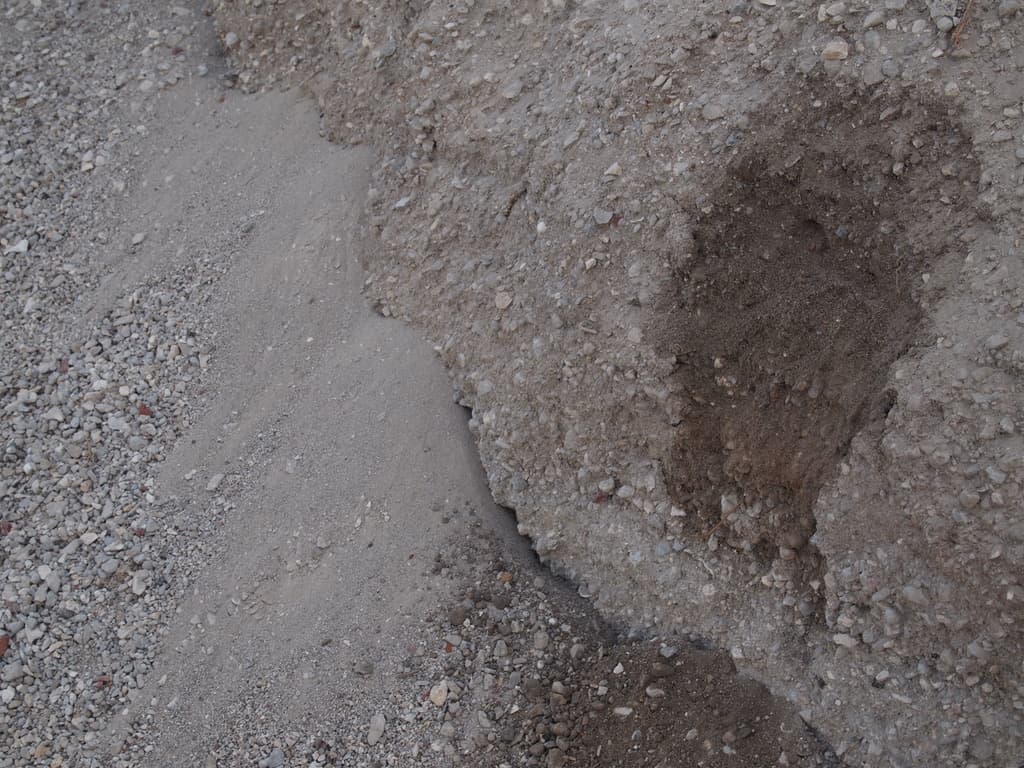
Aggregates
Recycled Concrete Screenings Fines
Check price
Price shown after city or ZIP
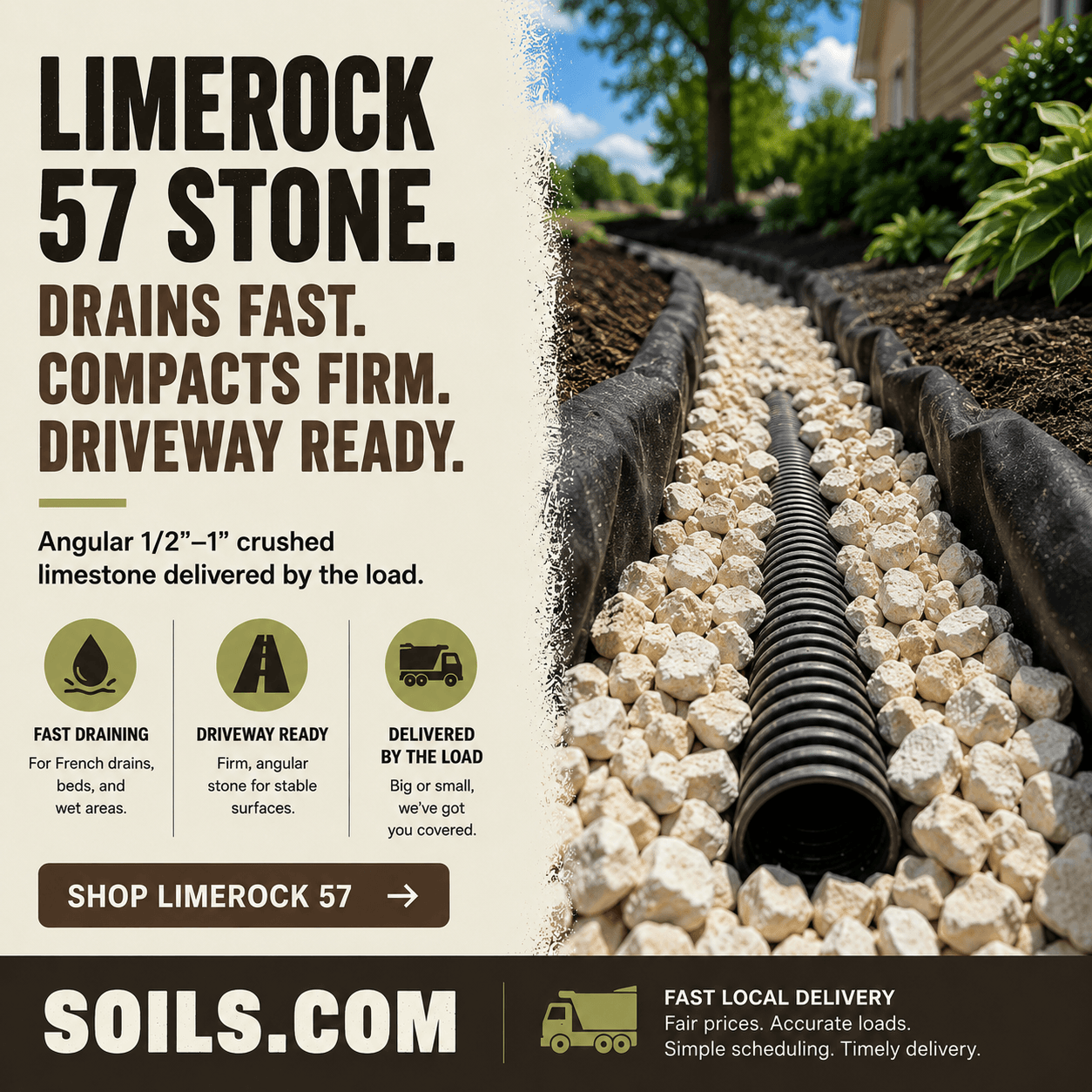
57 Limestone is a crushed limestone aggregate, commonly called limerock in Florida, graded as #57 stone and sized from 1/2 to 1 inch. It is ideal for driveways, drainage, retaining walls, foundation bases, and other construction projects. It compacts firmly while providing excellent drainage. Enter your ZIP code to view delivered pricing and schedule delivery at checkout.
View ProductNatural, compactable fill dirt for grading, leveling, foundation pads, backfilling, and large-scale earthwork. Free of organic matter and sold by the cubic yard with delivered pricing based on your ZIP code.
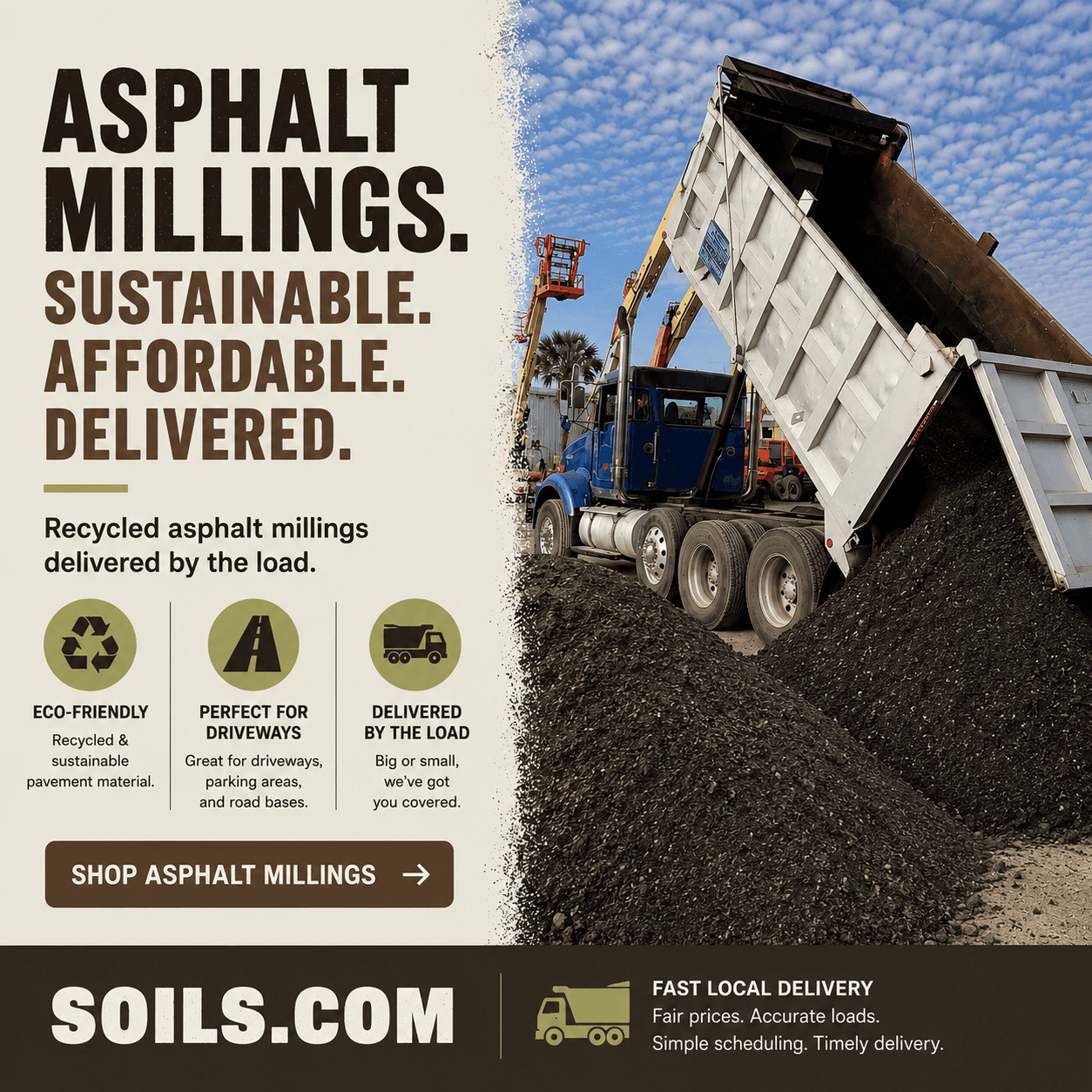
View ProductCrushed Asphalt Millings are produced from reclaimed asphalt pavement (RAP) that has been milled from existing roads and parking lots. Unlike loose gravel, asphalt millings contain residual asphalt binder that helps the material compact into a firmer, more stable surface over time. This makes them a durable, cost-effective choice for many residential and commercial projects while also reducing construction waste through recycling.
Crushed Asphalt Millings are commonly used for residential driveways, farm roads, private lanes, parking areas, construction access roads, gravel road resurfacing, pothole repairs, and other projects requiring an economical, compactable surface. They can also serve as a base material beneath new asphalt or concrete pavement in many construction applications.
One of the key advantages of Crushed Asphalt Millings is the residual asphalt binder left on the aggregate after milling. With proper installation and compaction, this binder helps the material lock together into a firmer surface than traditional loose gravel, reducing movement and improving long-term durability. While the material continues to stabilize after installation, proper grading, compaction, and drainage remain important for achieving the best performance.
Enter your ZIP code to receive live delivered pricing, select the quantity your project requires, and schedule delivery directly online. Bulk Crushed Asphalt Millings are delivered by dump truck, with next-day delivery available in many Florida service areas.
Asphalt Millings (also called crushed asphalt millings, recycled asphalt millings, asphalt grindings, or reclaimed asphalt pavement) are pieces of old asphalt pavement that have been ground up and reused as a driveway or road surface material. The pieces are mixed sizes, dark black to gray in color. They still contain a small amount of the original bitumen, which allows them to harden over time as they compact and sun-cure, locking together into a semi-solid surface. We deliver bulk asphalt millings across Florida by standard dump truck.
Asphalt millings are one of the most cost-effective materials for residential driveways because they compact well, harden over time as the remaining asphalt binder is activated by heat and traffic, and require less maintenance than loose gravel. They also provide a recycled alternative to new asphalt while delivering an attractive finished surface.
On firm, well-drained soil you can install millings directly over a graded subgrade after scraping vegetation. On soft sand, clay, or anywhere water pools after a thunderstorm, put down 3-4 inches of crushed concrete or limerock first and compact it before the millings go on. A layer of woven geotextile fabric between the soil and the base helps on soft ground and stops the base from sinking into the dirt. Skipping the base on poor soil is the most common reason driveways rut and develop potholes within the first year.
Yes, when installed correctly. Compacted millings shed water rather than absorbing it, and the bitumen binder keeps the surface intact under heavy rain. For storm-prone yards, install with a slight slope so water sheets off to the sides. Standing water at low spots will soften any surface over time, millings included. If a storm hits a freshly delivered, uncompacted pile, the binder is not water-soluble so material does not wash away. Compact as soon as the ground dries out.
Gradation, color, and binder content vary slightly between batches because millings come from different road and parking lot sources. We screen to a consistent top size, but expect minor differences in fines content and color from one truckload to the next.
At a typical 2-inch depth, 1 ton of recycled asphalt millings covers about 100 square feet, so a 1,000 sq ft area needs roughly 10 tons. For a proper driveway surface at 3-4 inches over a compacted base, plan on 20-27 tons for 1,000 sq ft. A standard dump truck maxes out at 20 tons per load, so deeper or larger driveways may need two loads. Use our materials calculator for an exact number based on your dimensions.
Cape Coral, FL
"Weekend project. Was nervous about getting a slot at all. Booked Wednesday night and it was on the driveway by Friday morning. Honestly easier than calling around for two days like I usually do."
Naples, FL
"I've been grabbing bagged stuff at Lowes for the small planters for years and finally got around to redoing the whole back yard, so I figured I'd just order a real load for once. Didn't really know what I was doing, but the calculator did the math for me which I appreciated because I was about to just guess high. Paid online which felt weird since I'm used to calling these places, but ordered Monday and the load was on the driveway Tuesday morning, easier than I expected."
Vero Beach, FL
"Got the quote in maybe a minute. Scheduled it for Thursday and they were there Thursday. Flagged the irrigation lines in the order notes before booking — appreciated that it actually made it through to the route plan. No buried lines, no extra cleanup."
Jupiter, FL
"Wasn't totally sure what I needed between fill and topsoil. Read the material pages, looked at both prices, picked the one that fit. Truck came the next day, no follow-up calls needed."