Why Choose Fill Dirt?
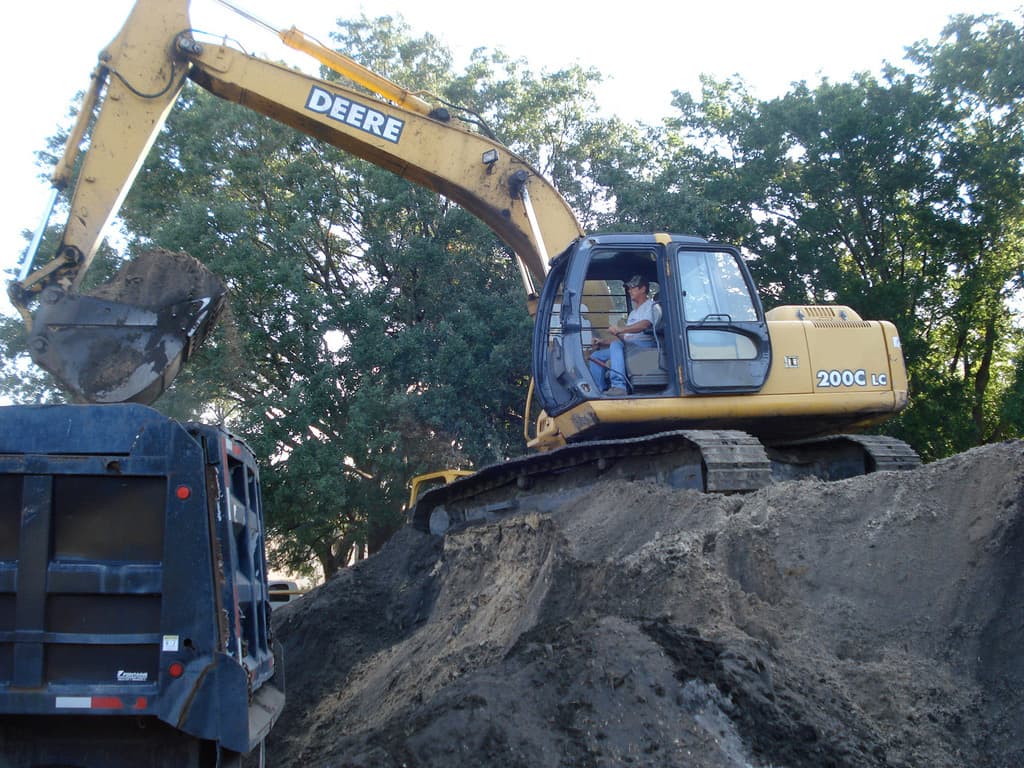
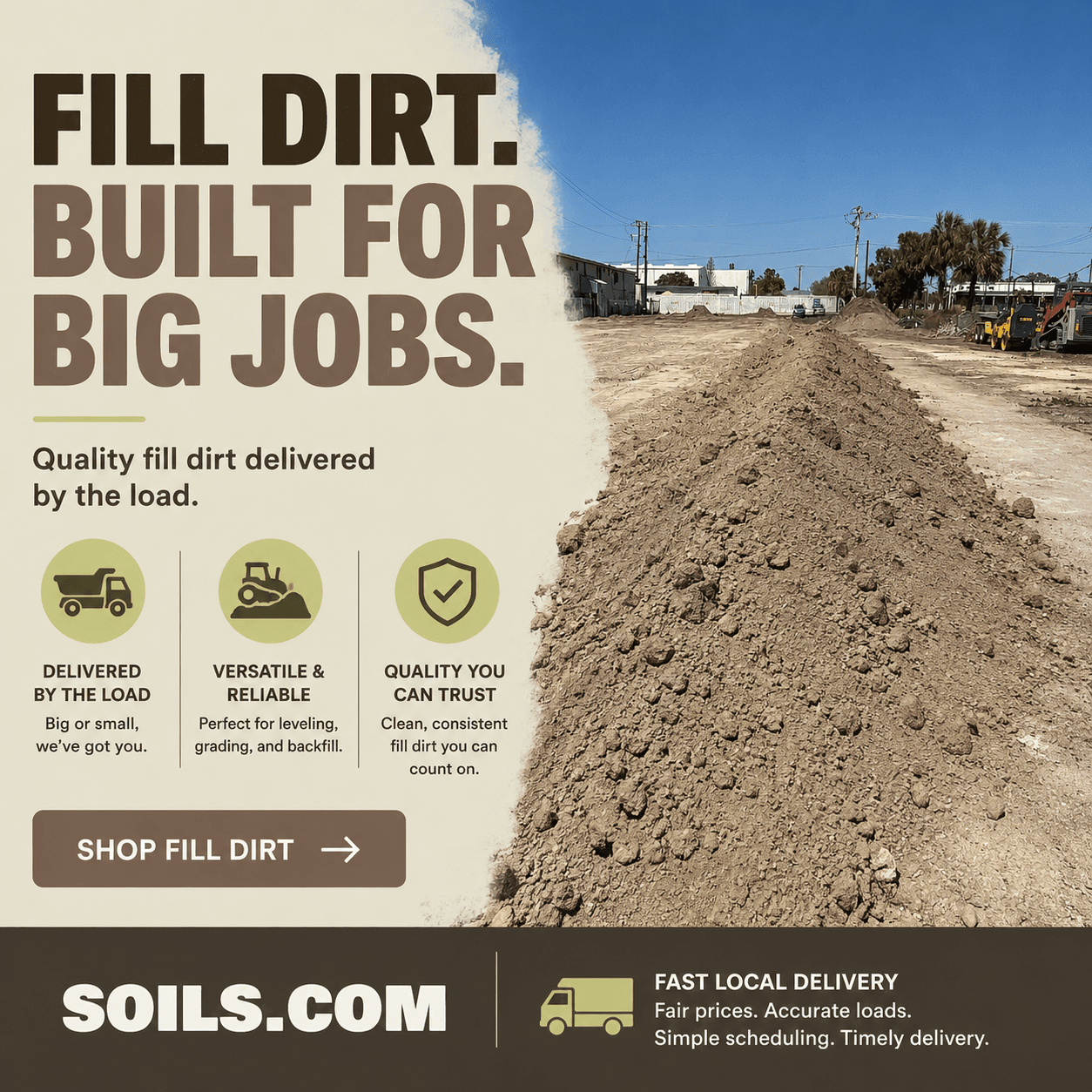
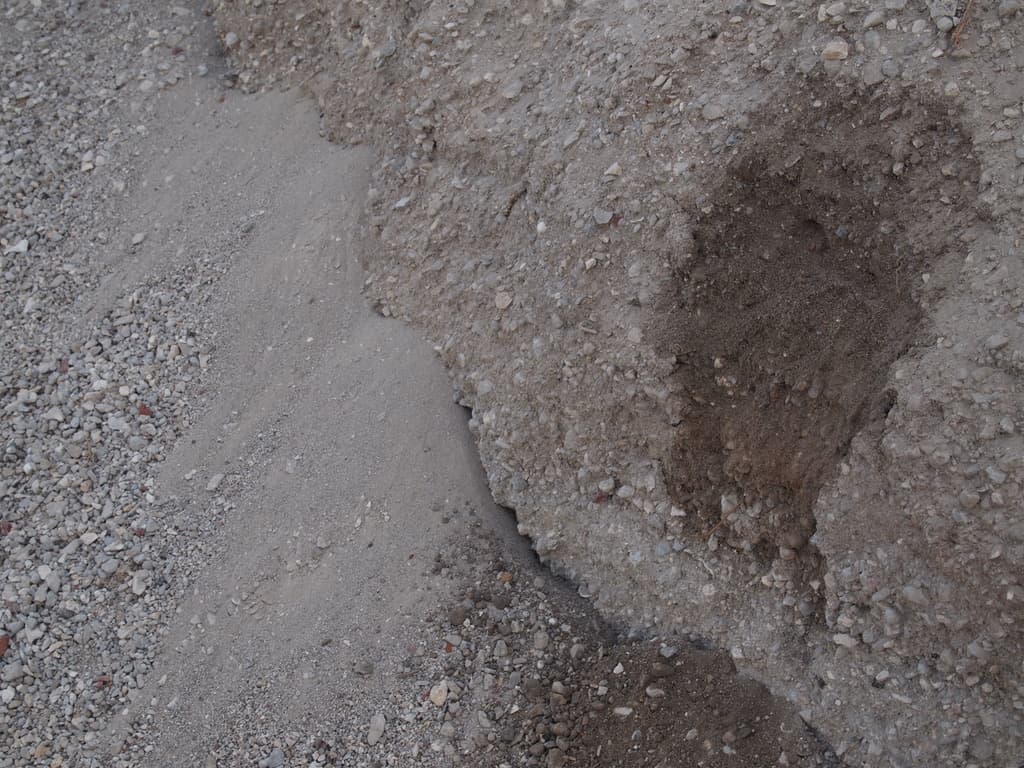
Fill Dirt is used to raise elevations, create stable building pads, repair low areas, and establish a solid foundation before construction or landscaping begins. Because it contains very little organic material, it resists decomposition and settling much better than topsoil, making it the preferred material for structural filling and grading projects.
Common Applications
Fill Dirt is commonly used for grading and leveling construction sites, raising low areas, building foundation pads, preparing driveways, backfilling retaining walls, restoring utility trenches, repairing erosion, shaping landscapes, and stabilizing pond banks. It provides the structural base needed before adding finished surfaces or planting materials.
Performance Characteristics
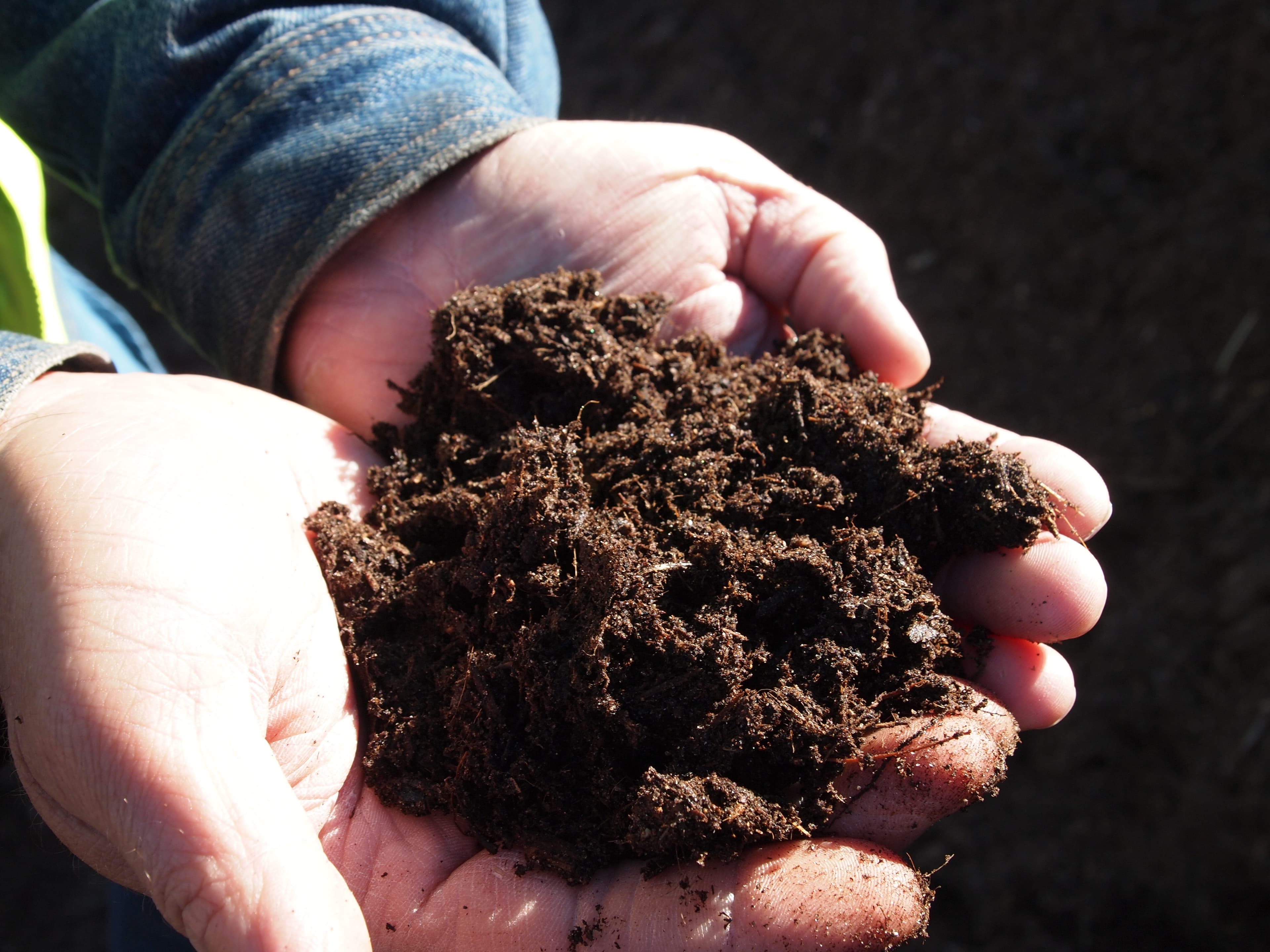
Unlike topsoil, Fill Dirt contains minimal organic matter, allowing it to compact into a dense, stable base that supports long-term structural loads. When placed and compacted in proper lifts, it provides excellent stability for foundations, slabs, retaining walls, and other construction projects. Fill Dirt is intended as a structural material rather than a growing medium and should generally be covered with topsoil wherever grass, landscaping, or gardens will be installed.
Delivery & Ordering
Enter your ZIP code to receive live delivered pricing, select the amount your project requires, and schedule delivery directly online. Bulk Fill Dirt is delivered by dump truck, with next-day delivery available in many Florida service areas.