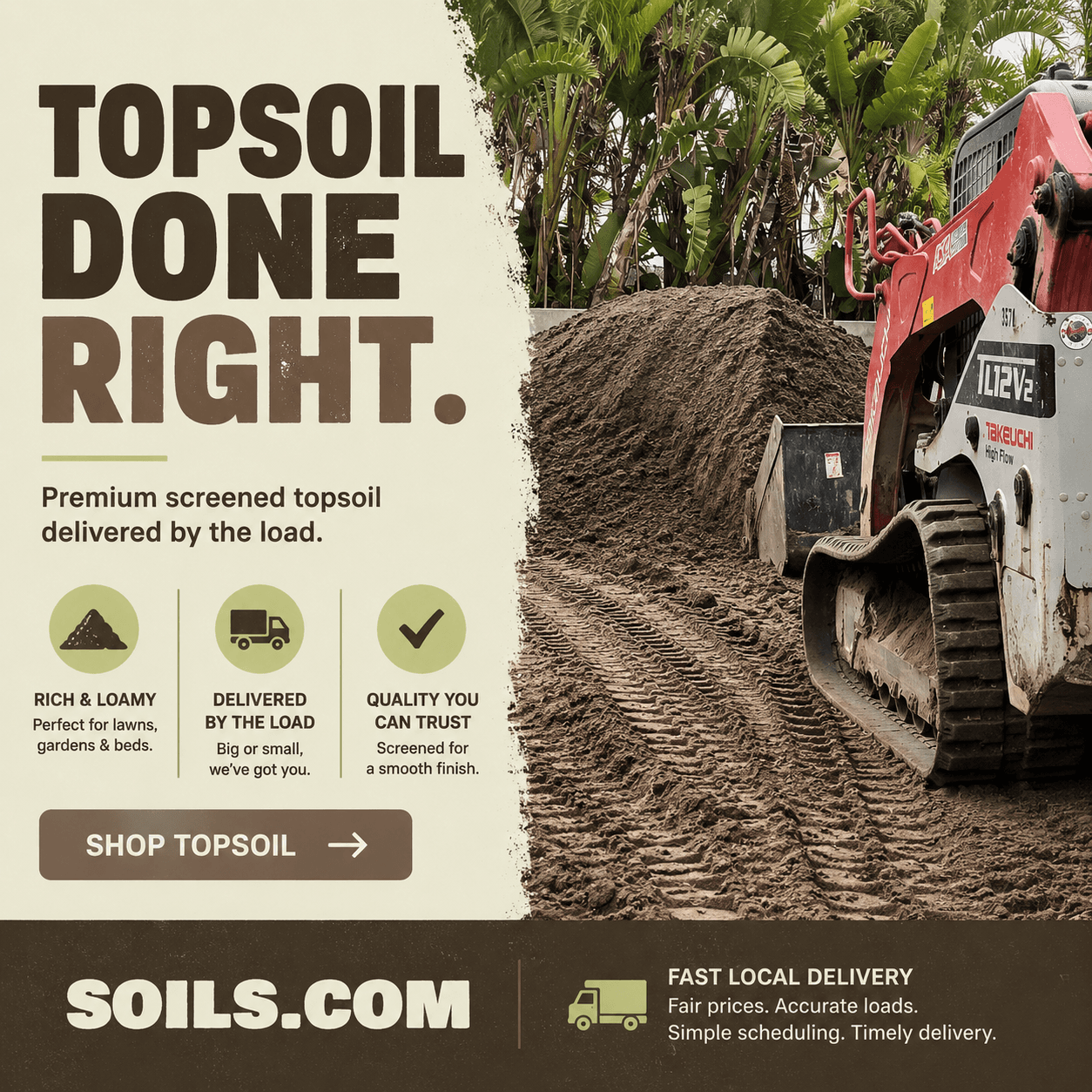
Topsoil
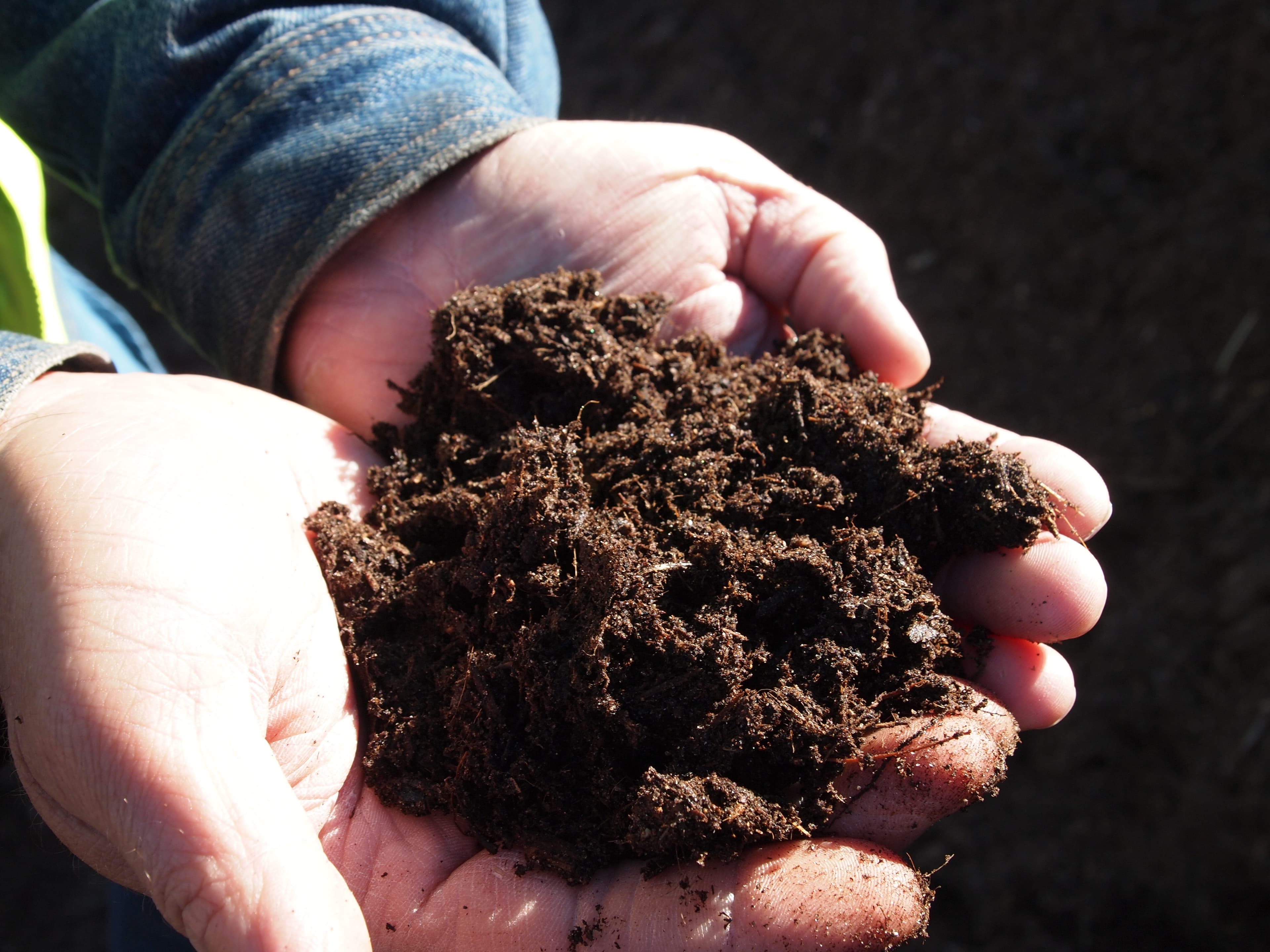
Lawns, gardens, planting beds, landscaping, and finish grading.
Recommended
Soils
Topsoil
Check price
Price shown after city or ZIP
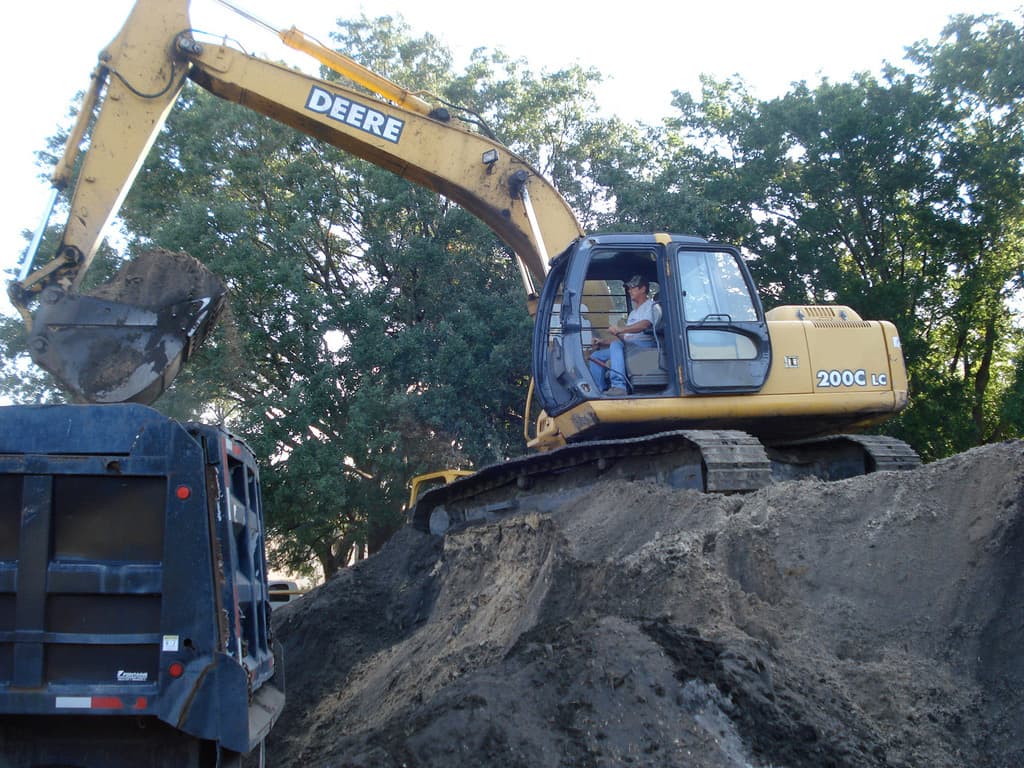
Soils
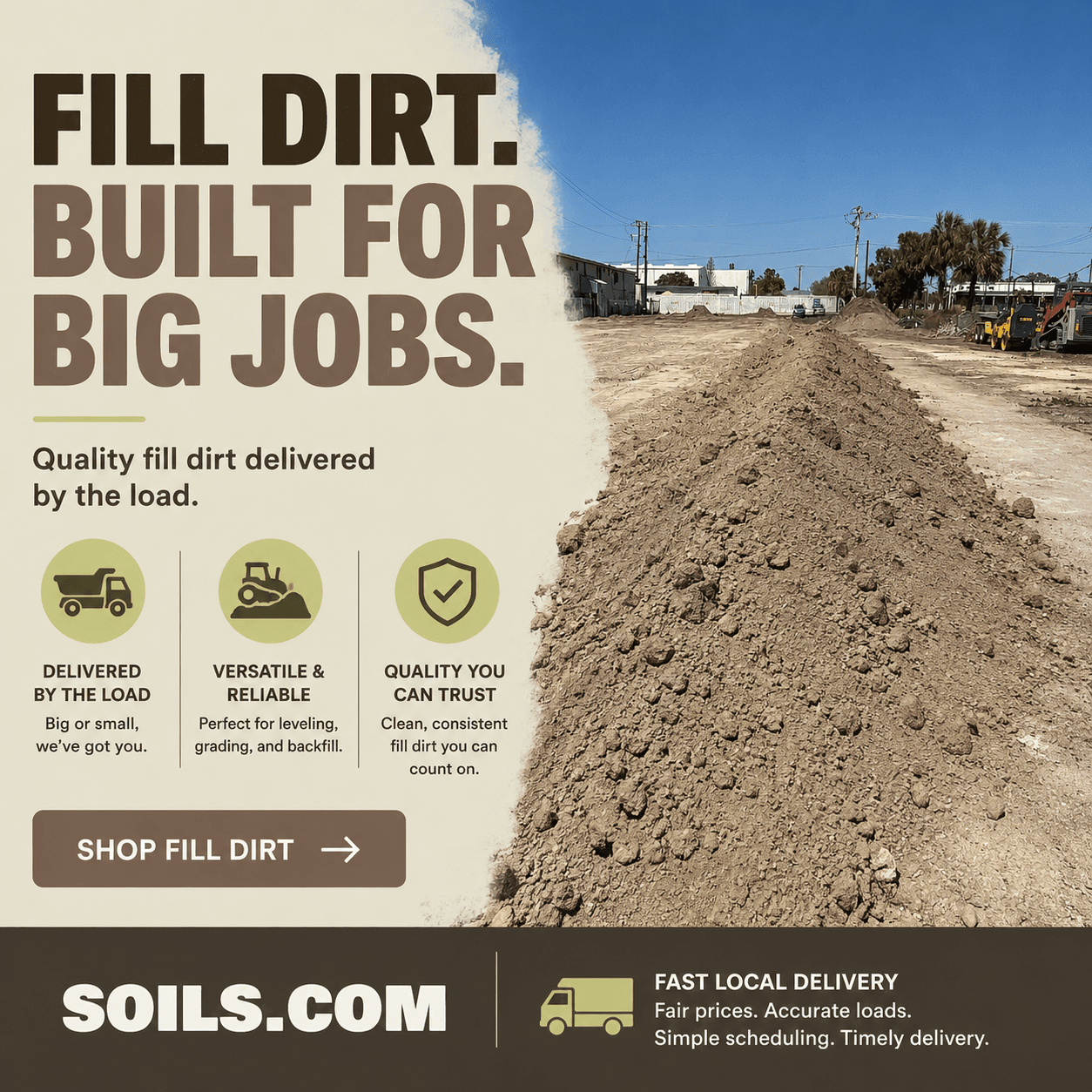
Fill Dirt
Check price
Price shown after city or ZIP
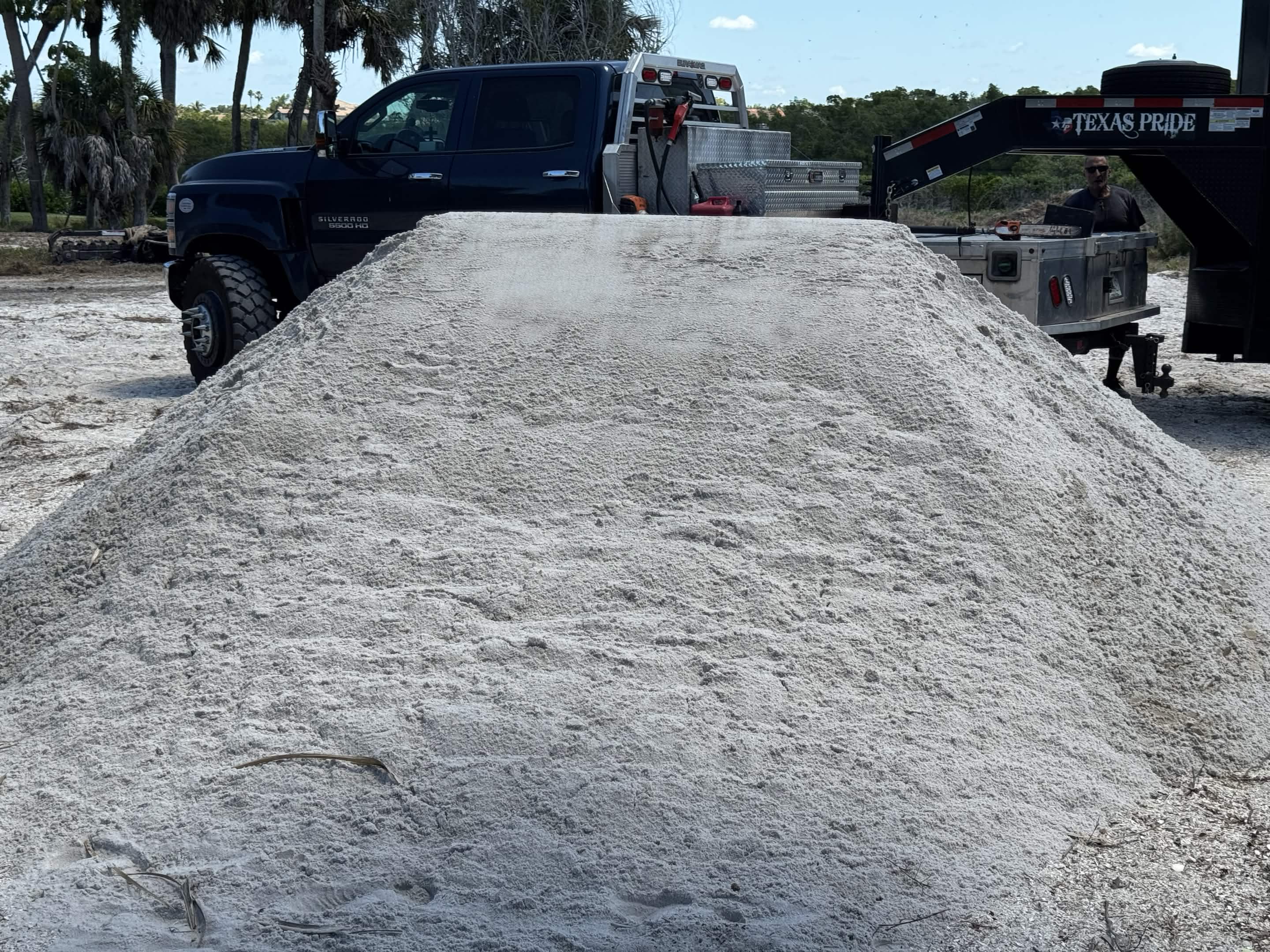
Sands
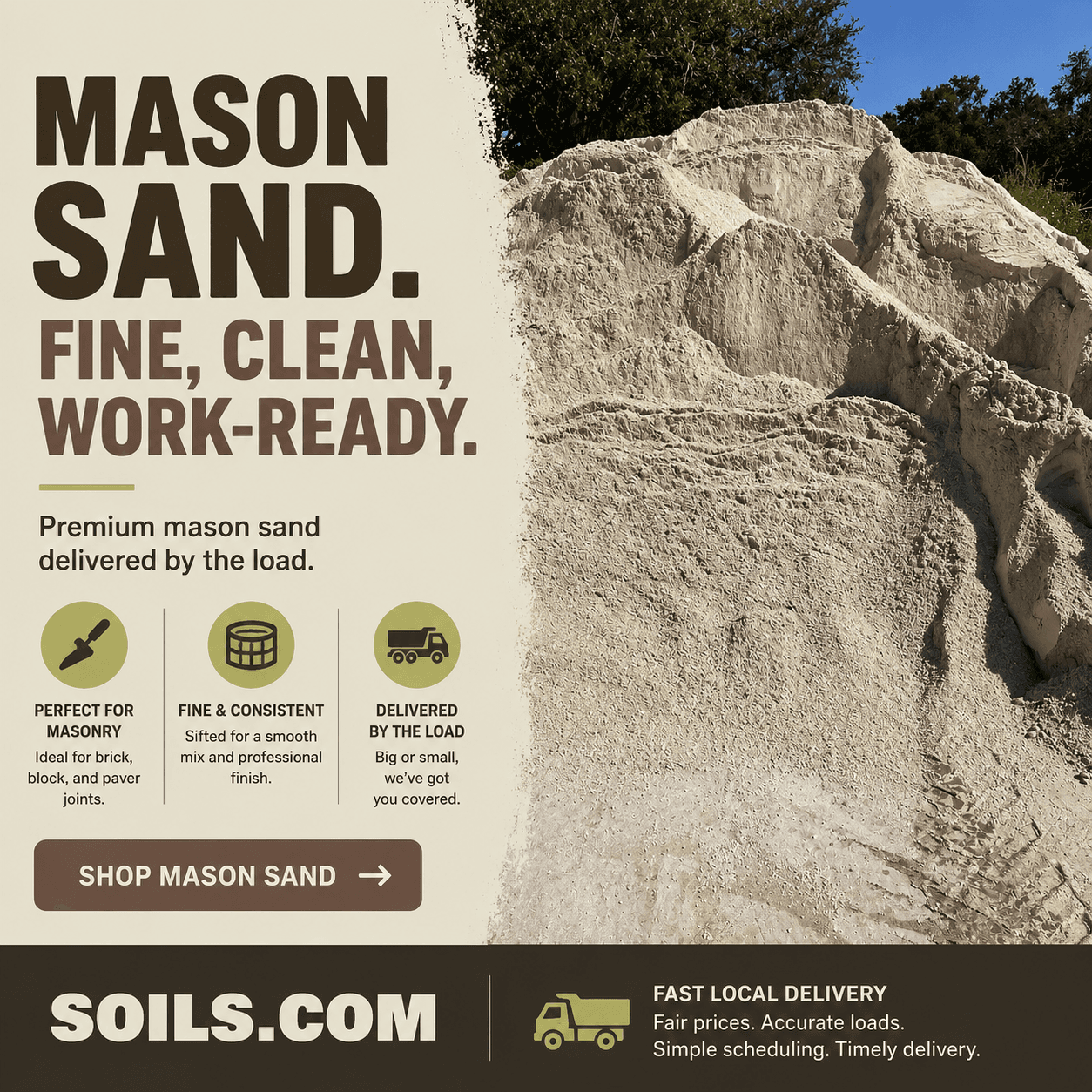
Mason Sand
Check price
Price shown after city or ZIP

Aggregates
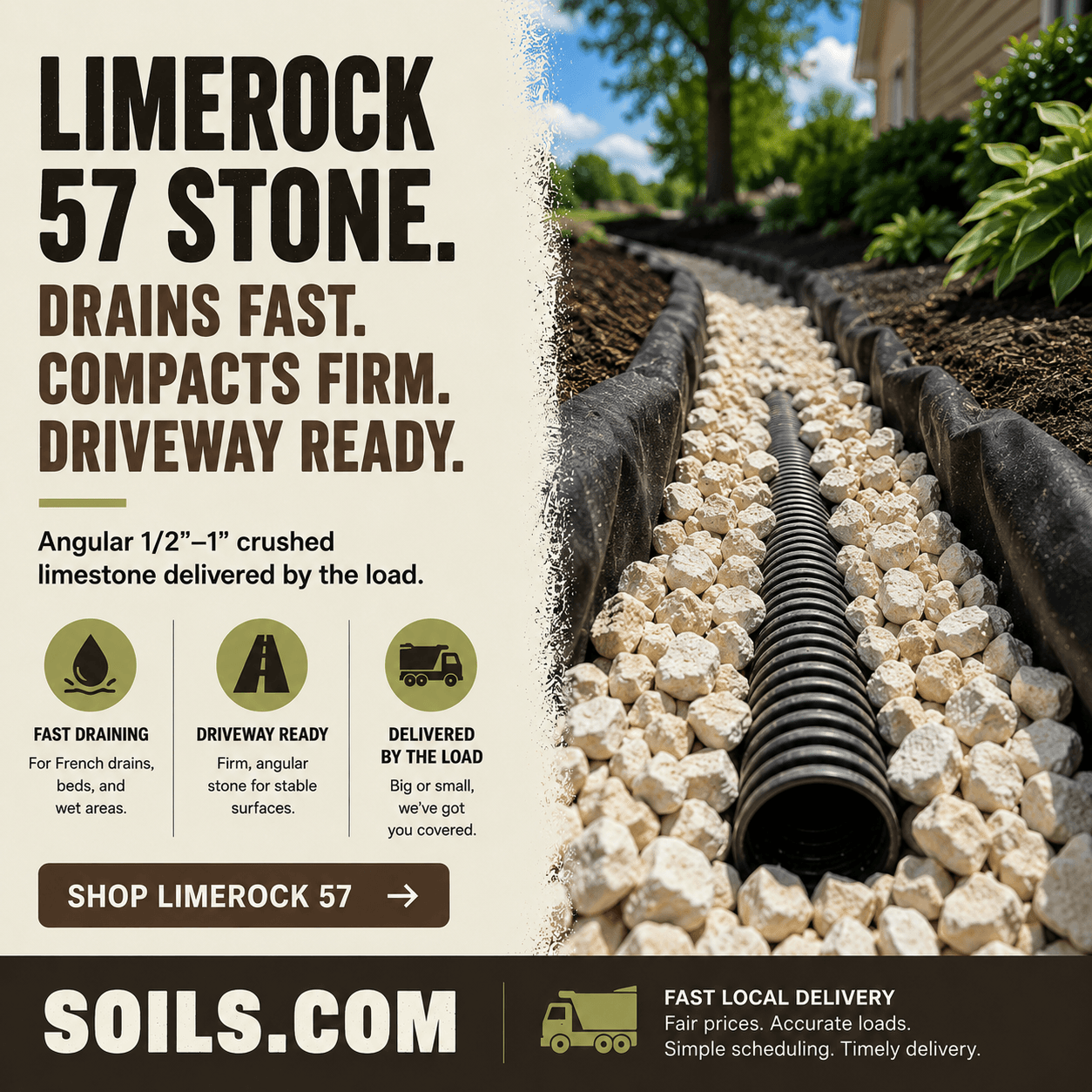
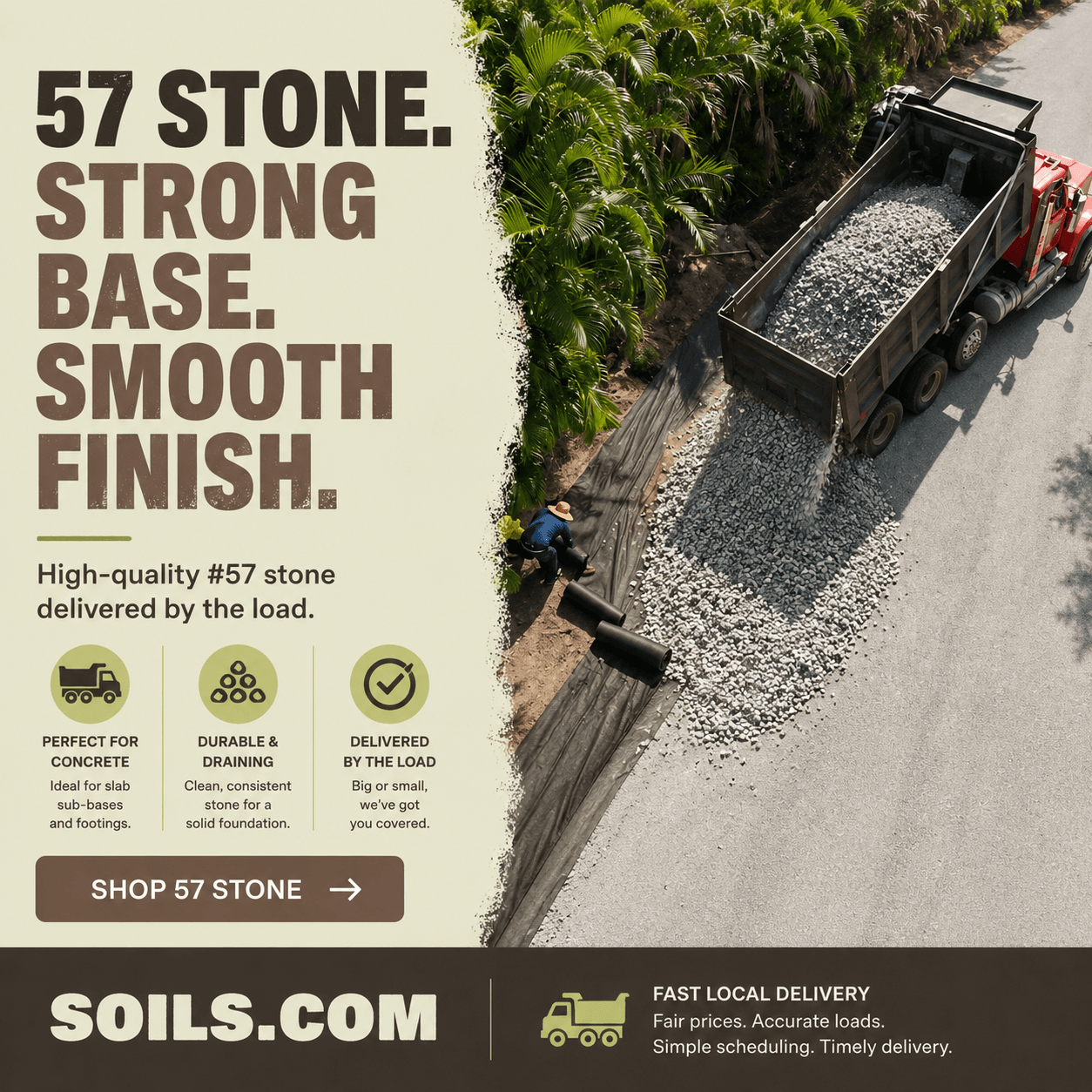
57 Limestone
Check price
Price shown after city or ZIP
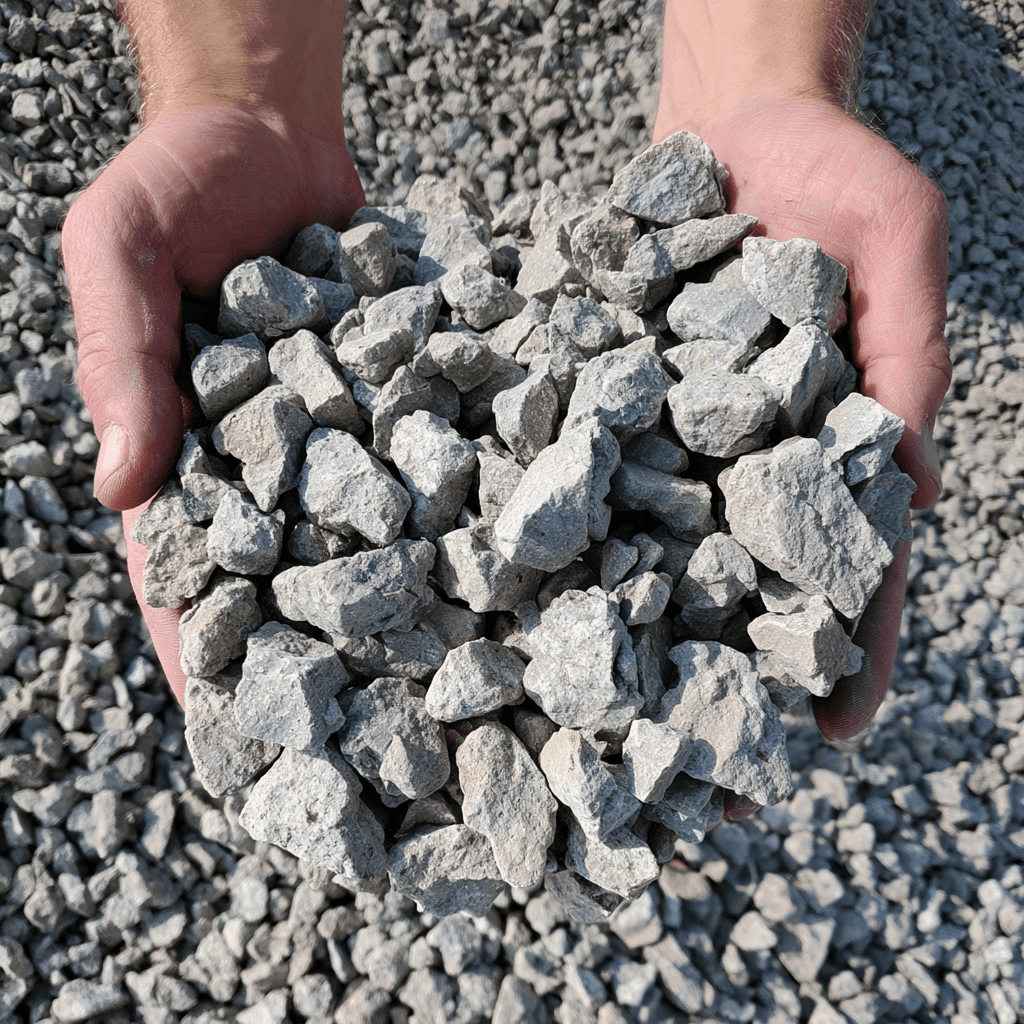
Aggregates
Recycled 57 Concrete
Check price
Price shown after city or ZIP
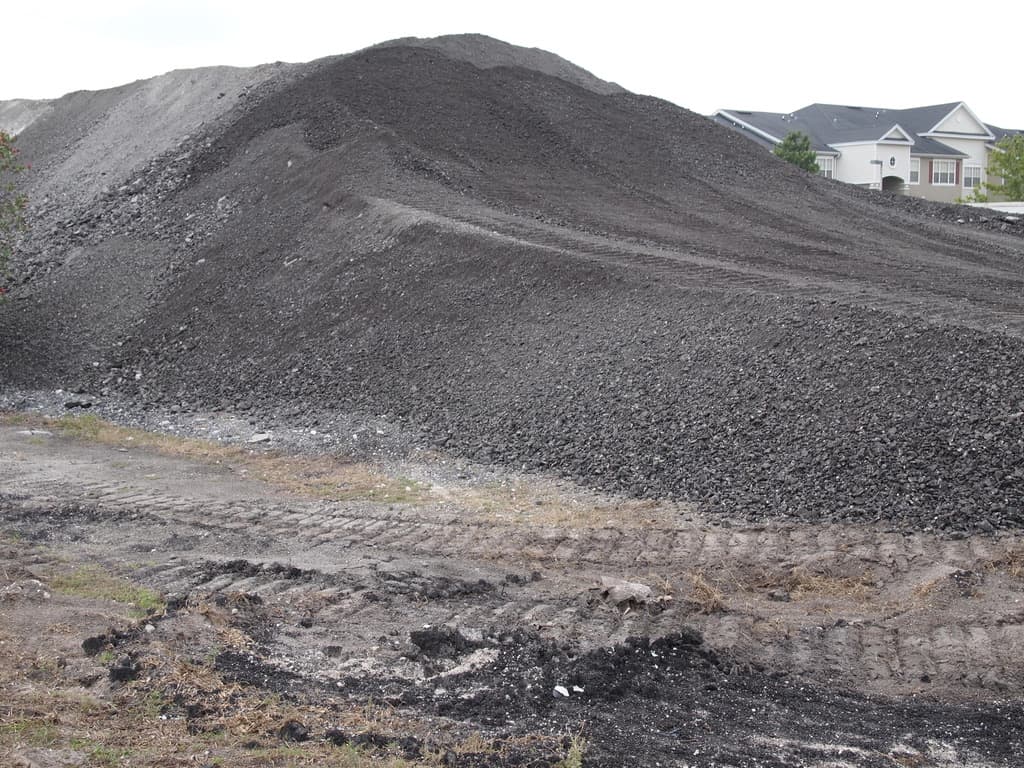
Aggregates
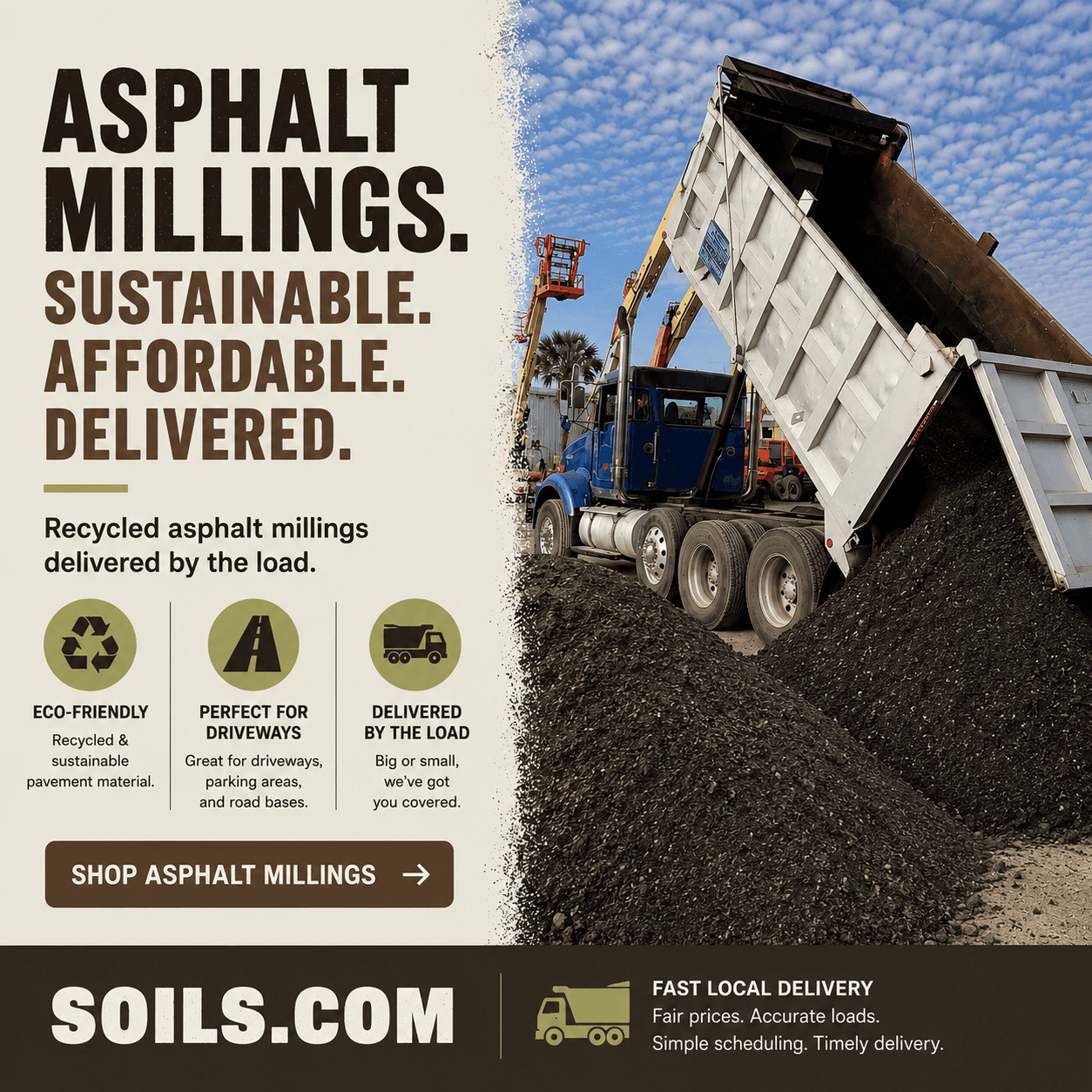
Crushed Asphalt Millings
Check price
Price shown after city or ZIP
Aggregates
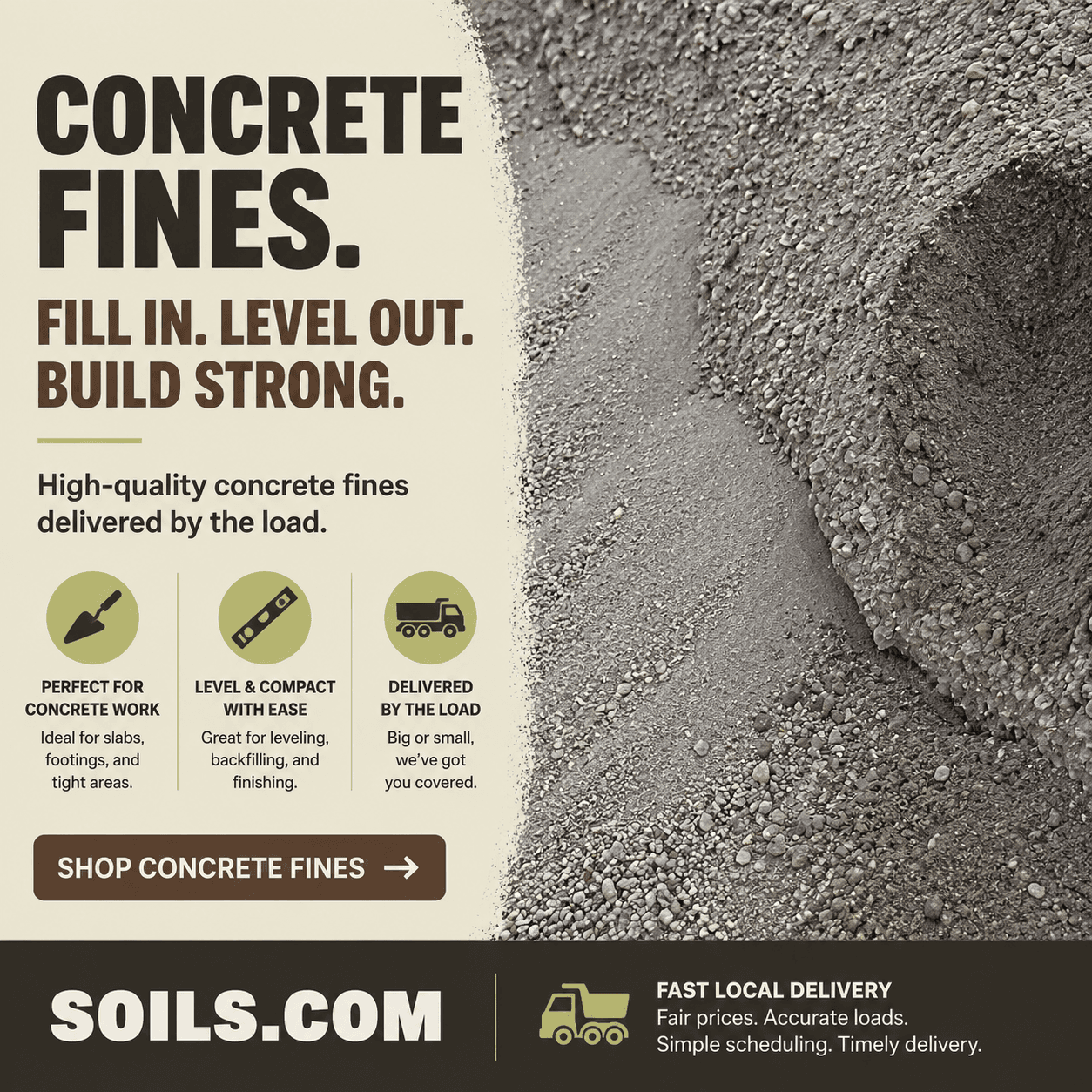
Recycled Concrete Screenings Fines
Check price
Price shown after city or ZIP
The Soils.com Editorial Team creates practical guides and resources for homeowners, contractors, landscapers, builders, and property managers planning projects with bulk materials.
Our editorial work focuses on helping readers choose the right topsoil, fill dirt, sand, aggregates, and recycled materials for real-world applications. We cover material selection, project planning, quantity estimates, delivery preparation, pricing factors, and common material comparisons.
Our goal is straightforward: provide clear, useful information that helps customers understand their options, plan accurately, and make informed decisions before ordering bulk materials.
Our Resource Center covers the materials, projects, and planning questions customers commonly encounter when working with bulk landscape and construction materials.
Our primary topics include:
Lawns, gardens, planting beds, landscaping, and finish grading.
Grading, leveling, backfill, elevation changes, and site preparation.
Masonry, pavers, leveling, landscaping, and construction applications.
Driveways, drainage, road base, foundations, and sitework.
Recycled concrete, asphalt millings, screenings, and alternative construction materials.
Driveways, drainage, landscaping, pavers, hardscaping, and construction sitework.
Cubic yards, tons, project dimensions, and material quantity calculations.
Ordering, scheduling, dump truck access, delivery preparation, and delivered pricing.
Bulk material projects can quickly become complicated. Choosing the wrong material, underestimating quantities, or failing to prepare for delivery can add unnecessary cost and delay a project.
Our guides are designed around the practical questions people encounter when planning these jobs: Which material should I use? How much do I need? What depth should I plan for? How will the material be delivered? What should I prepare before the truck arrives?
Whenever possible, we explain not only what a material is, but where it is commonly used, how it compares with alternatives, and what project considerations may affect the decision.
Content published by the Soils.com Editorial Team is developed to provide practical, understandable guidance rather than generic descriptions of bulk materials.
When preparing and updating our resources, we consider:
Where a topic depends on engineering specifications, local regulations, manufacturer requirements, or site-specific conditions, our content should be treated as general guidance rather than a substitute for advice from a qualified professional.
We want information published on Soils.com to be useful, accurate, and easy to understand.
Our editorial principles include:
Material characteristics, calculations, applications, and delivery information should be represented as accurately as possible and reviewed when substantive updates are made.
We focus on information readers can apply to actual landscaping, construction, drainage, driveway, and sitework projects.
Bulk material terminology can be confusing. Our guides aim to explain technical concepts in straightforward language without removing important distinctions between materials or applications.
We distinguish general educational guidance from recommendations that depend on site conditions, engineering requirements, local codes, or other project-specific factors.
Content is reviewed and updated as our products, delivery capabilities, calculators, and educational resources evolve.
Bulk material availability, pricing, delivery coverage, and project requirements can change over time. We periodically review our educational content and make updates when information materially changes or when additional guidance would make a resource more useful.
Articles display a Last Updated date so readers can see when substantive editorial changes were most recently made.
Minor formatting changes, spelling corrections, or other non-substantive edits do not necessarily result in a new editorial update date.
Our Resource Center brings together educational resources for choosing materials and planning projects from initial research through delivery.
Explore guides covering:
Have a question about one of our guides, found something that needs clarification, or think a resource should be updated? Contact the Soils.com team and let us know. Or explore our Resource Center for material, project, estimating, and delivery guidance.