What Is Fill Dirt? Uses, Types & What to Know
Fill dirt is soil or earth material commonly used to fill low areas, establish or change grade, build up elevation, and support certain construction and landscaping applications.
guide
Recommended
Soils
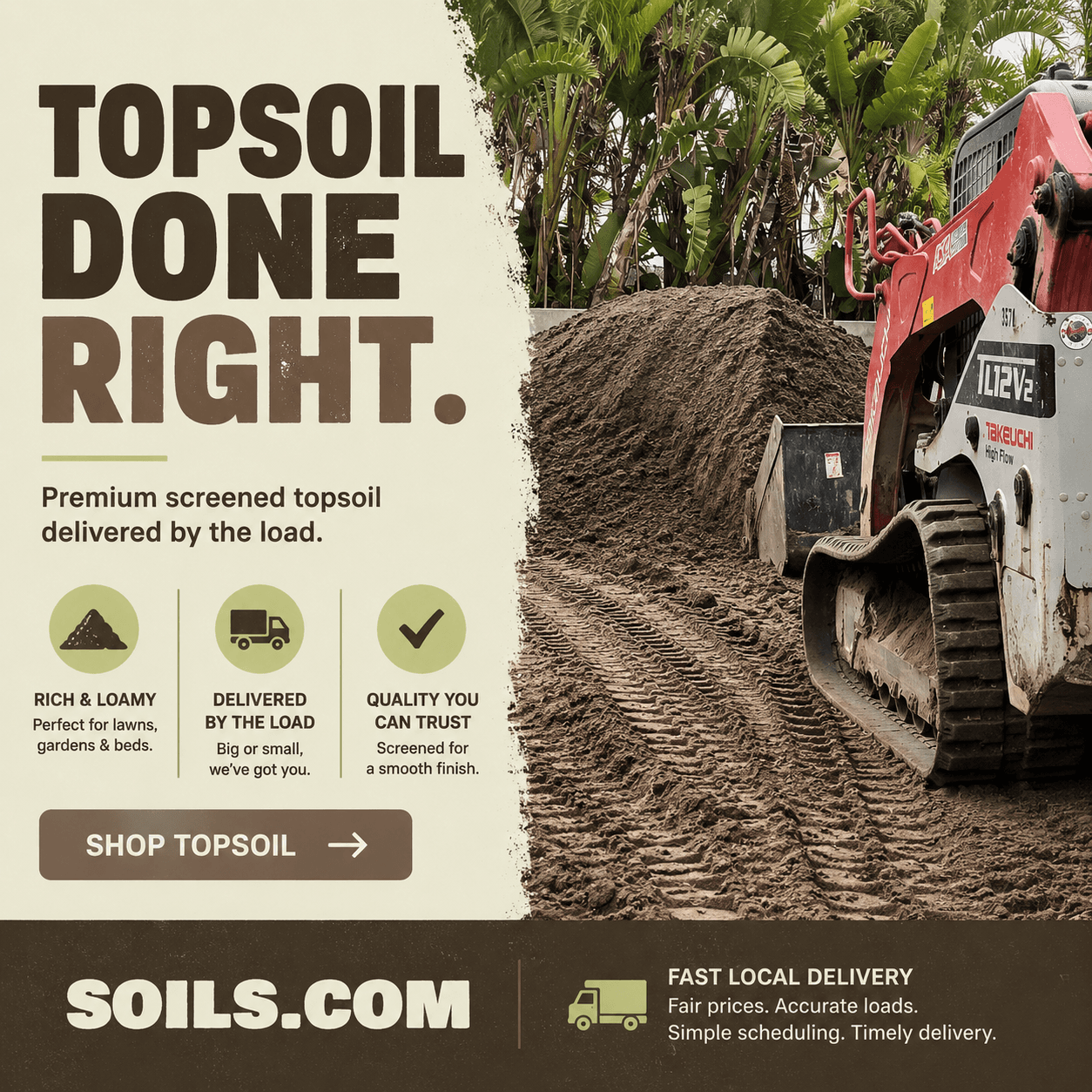
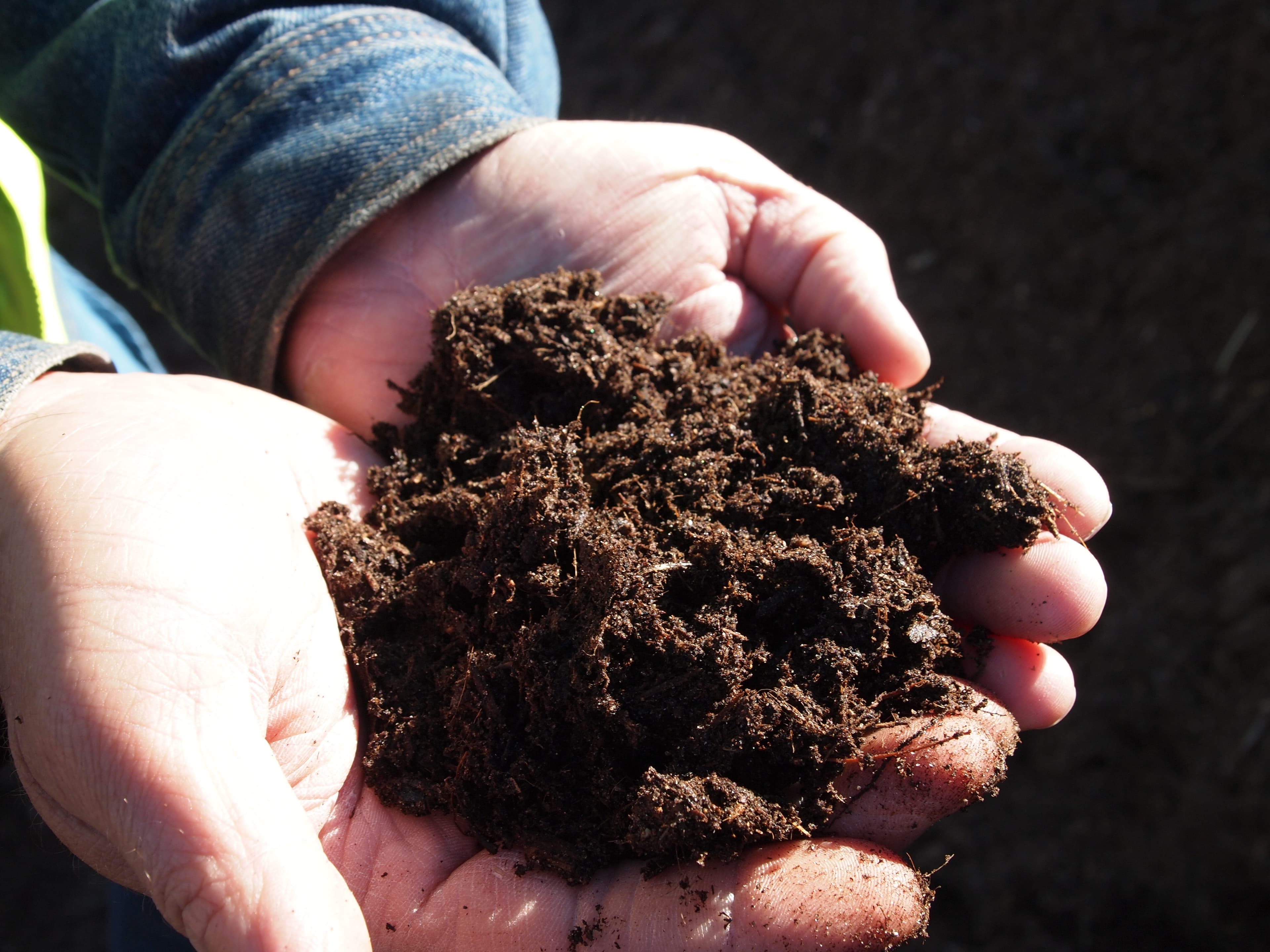
Topsoil
Check price
Price shown after city or ZIP
Soils
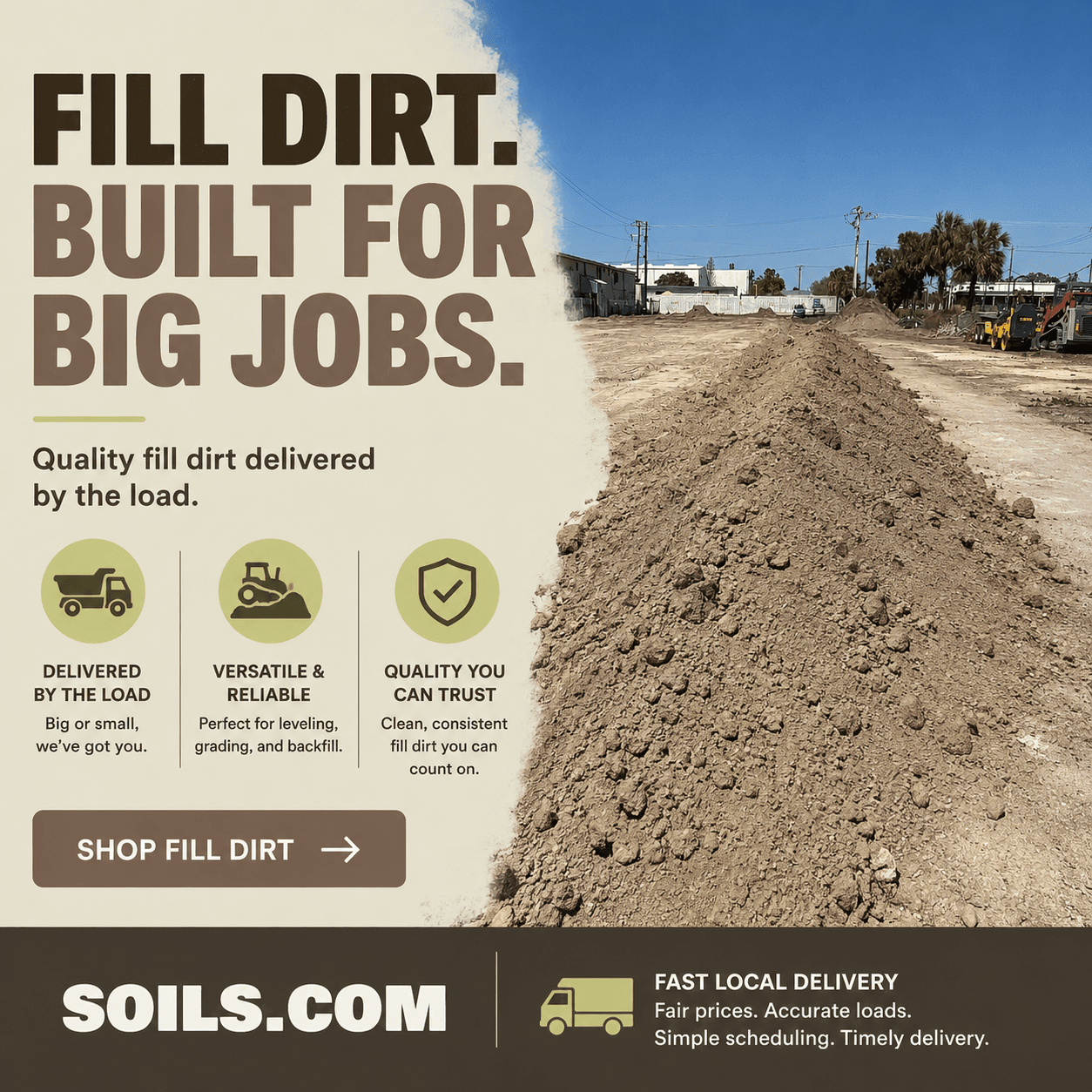
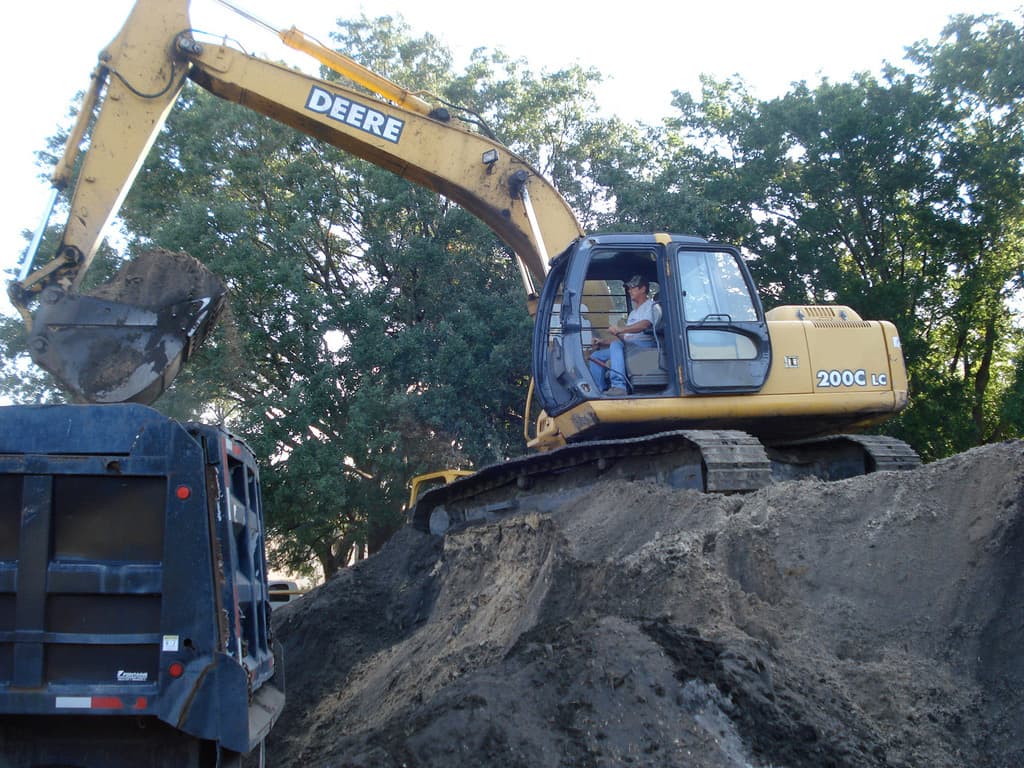
Fill Dirt
Check price
Price shown after city or ZIP
Sands
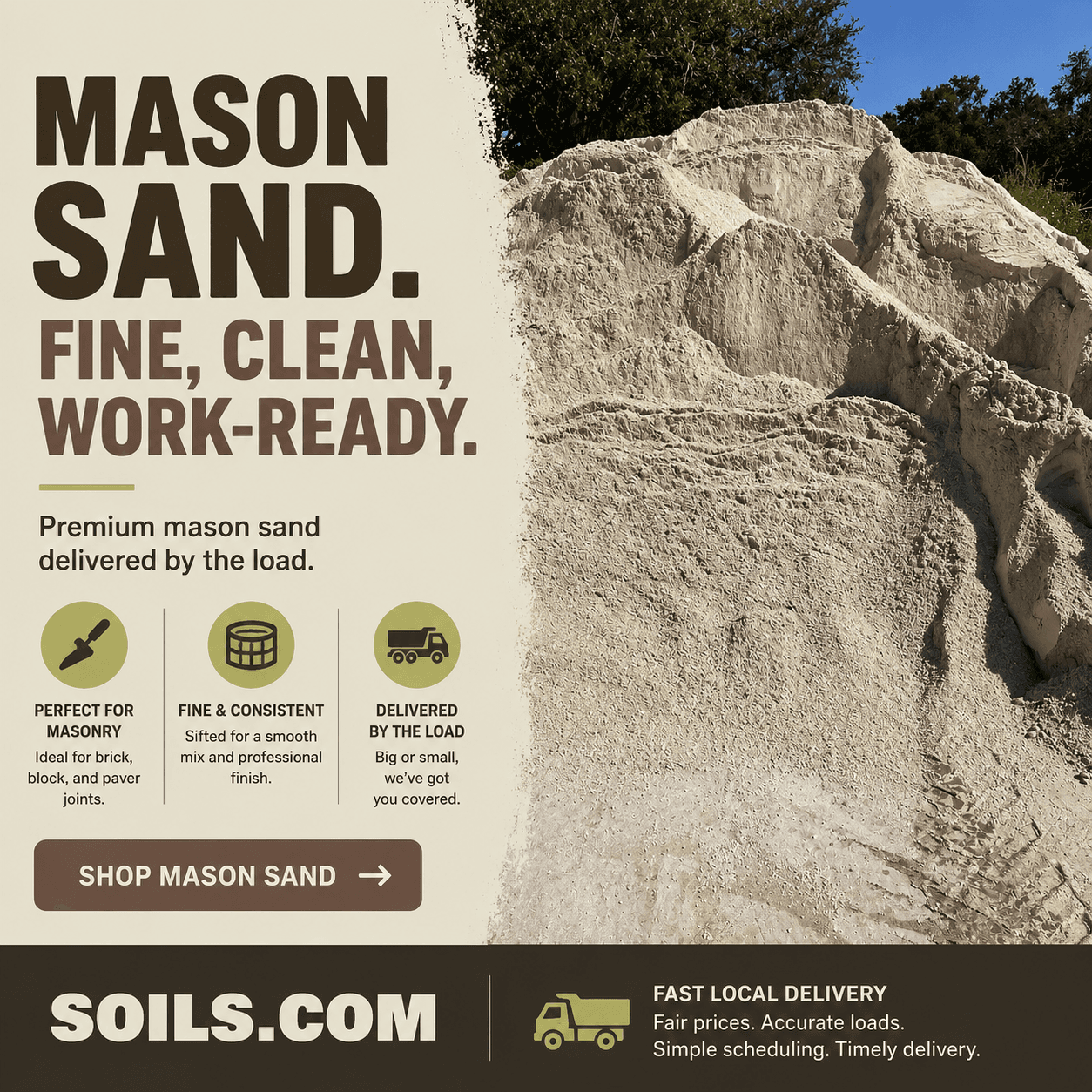
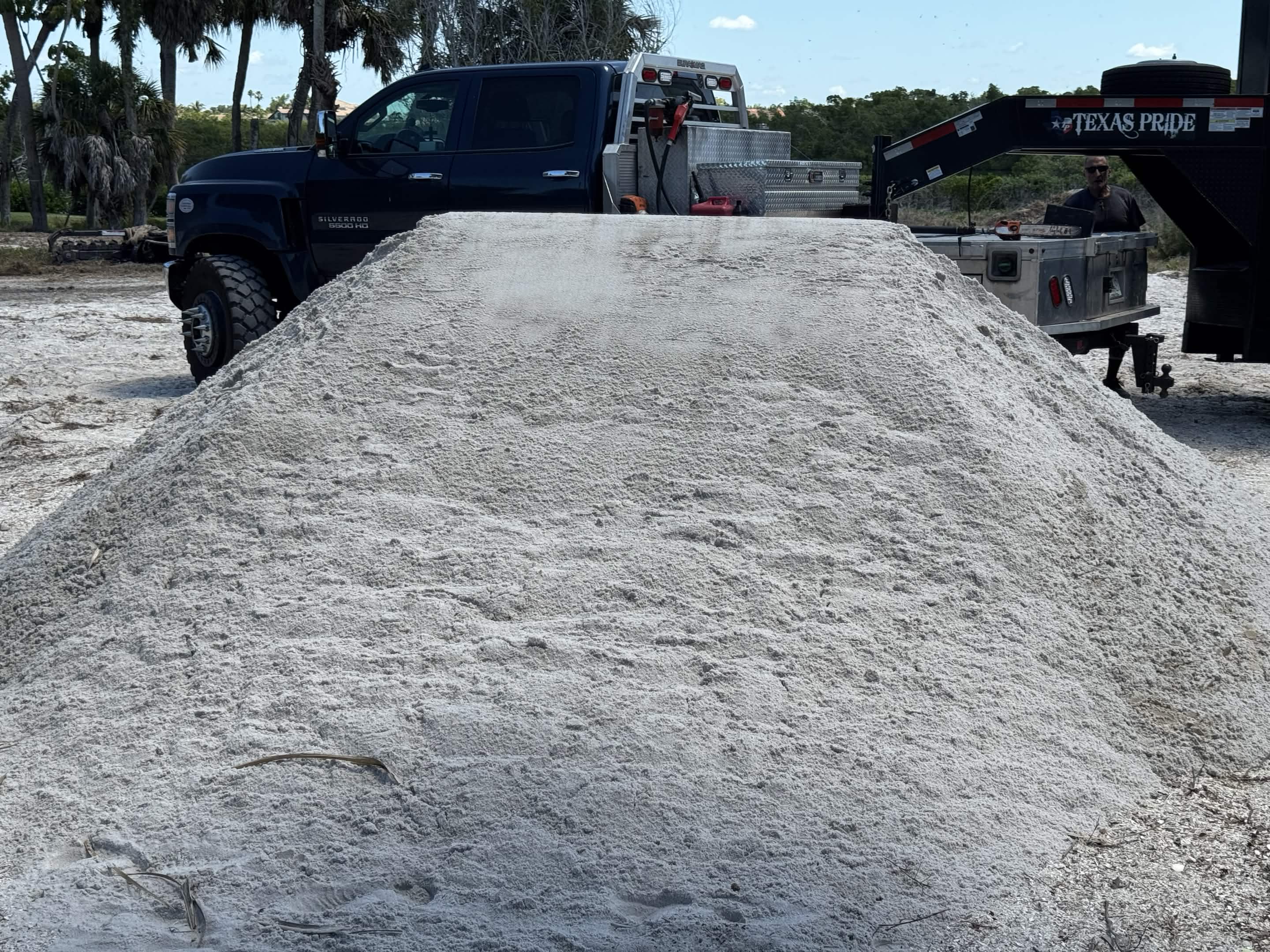
Mason Sand
Check price
Price shown after city or ZIP
Aggregates
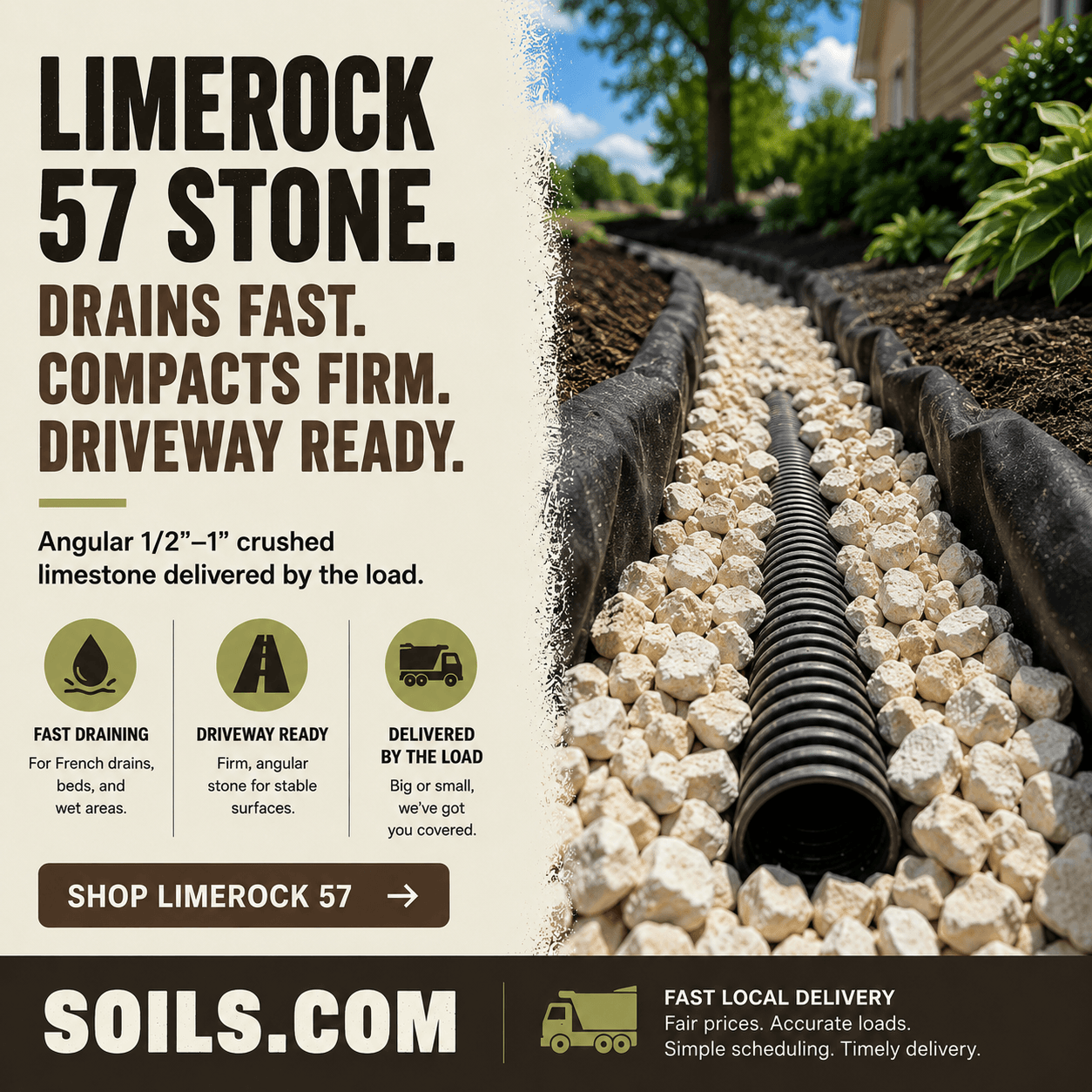
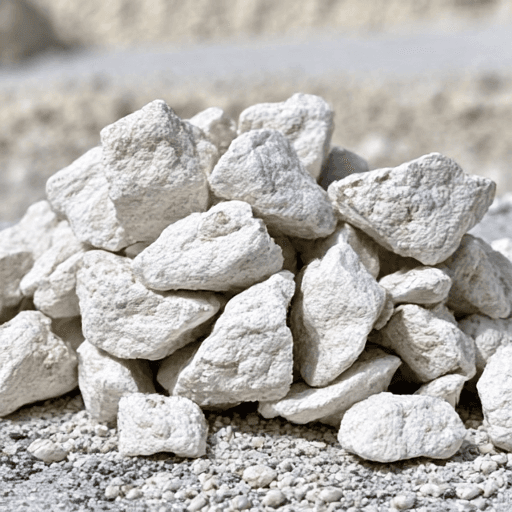
57 Limestone
Check price
Price shown after city or ZIP
Aggregates
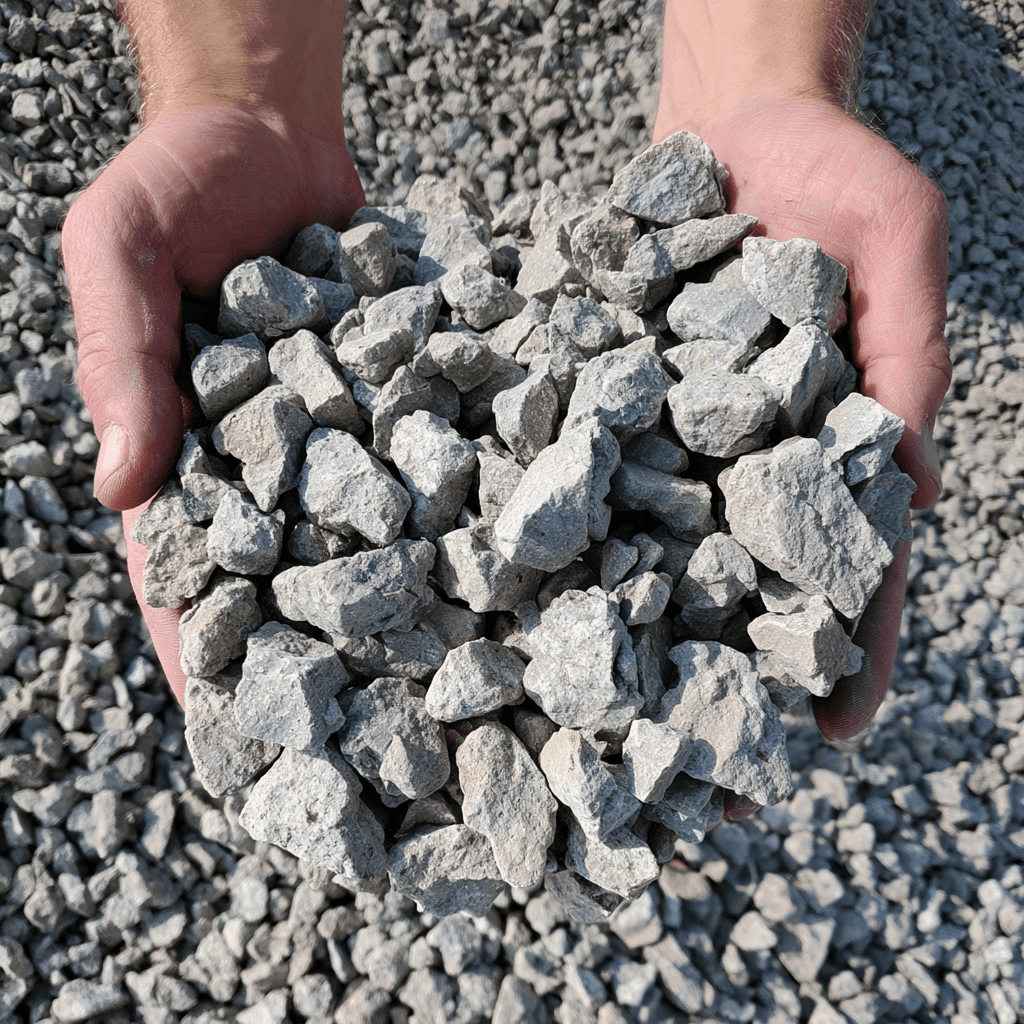
Recycled 57 Concrete
Check price
Price shown after city or ZIP
Aggregates
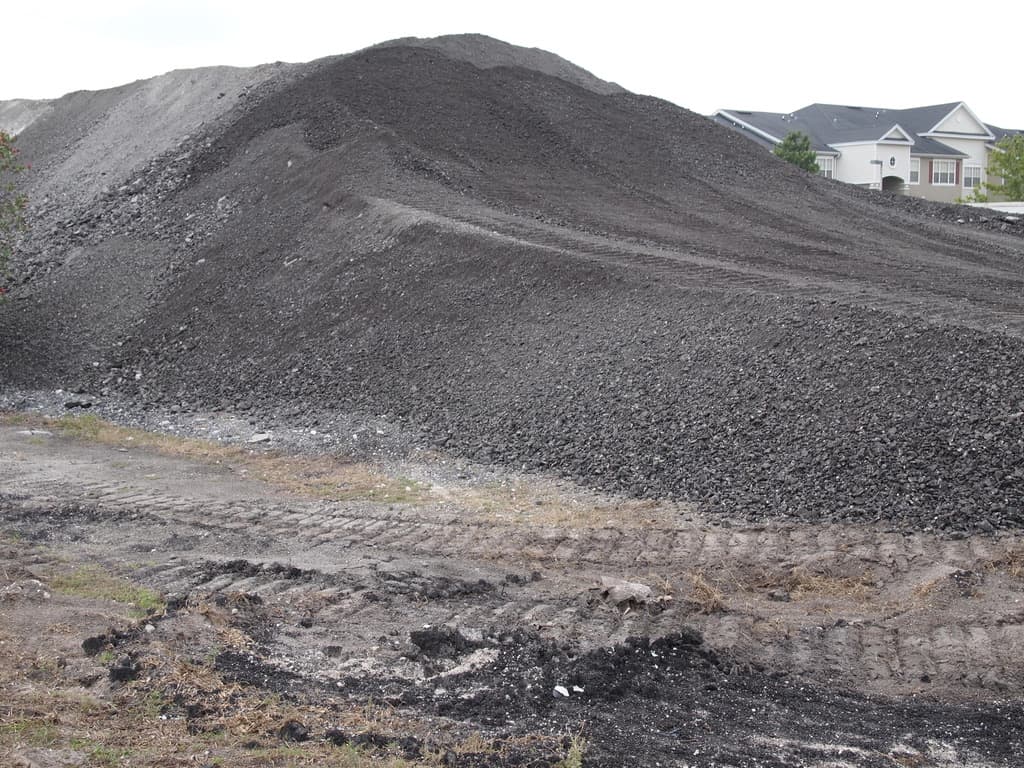
Crushed Asphalt Millings
Check price
Price shown after city or ZIP
Aggregates
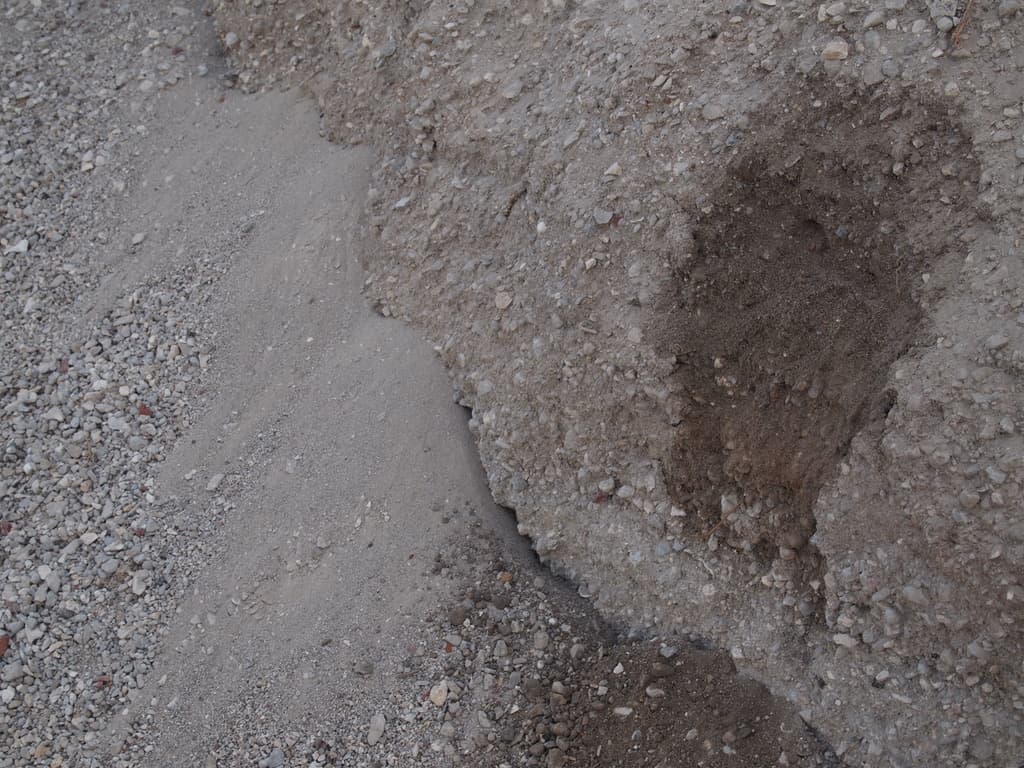
Recycled Concrete Screenings Fines
Check price
Price shown after city or ZIP
Whether you're leveling a yard, filling low spots, backfilling, raising grade, or preparing a sitework project, choosing the right fill dirt can make a significant difference in your project's success.
Browse buying guides, material comparisons, project tutorials, cost information, and delivery resources to help you choose and order fill dirt with confidence.
Start with the essential guides to understand, compare, and choose the right fill dirt for your project.
Fill dirt is soil or earth material commonly used to fill low areas, establish or change grade, build up elevation, and support certain construction and landscaping applications.
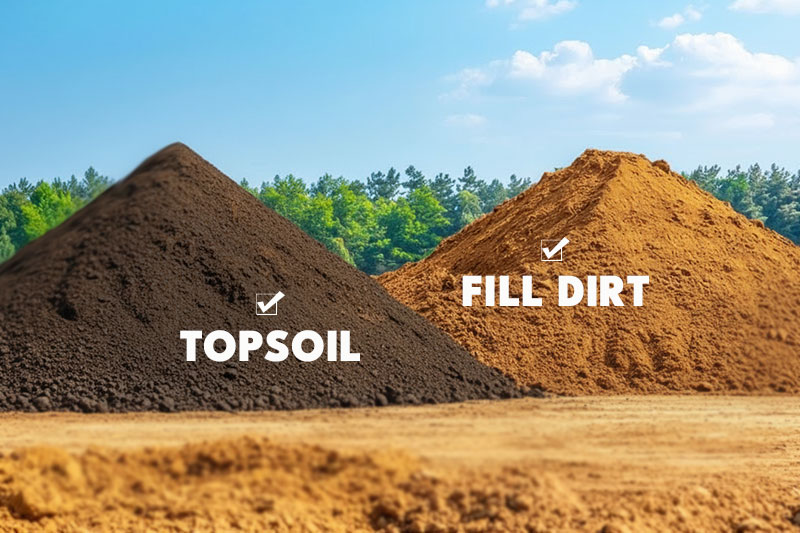
Topsoil and fill dirt serve different purposes. Topsoil is primarily used as a growing and landscaping material, while fill dirt is primarily used to fill deeper areas, build elevation, establish grade, and prepare sites.
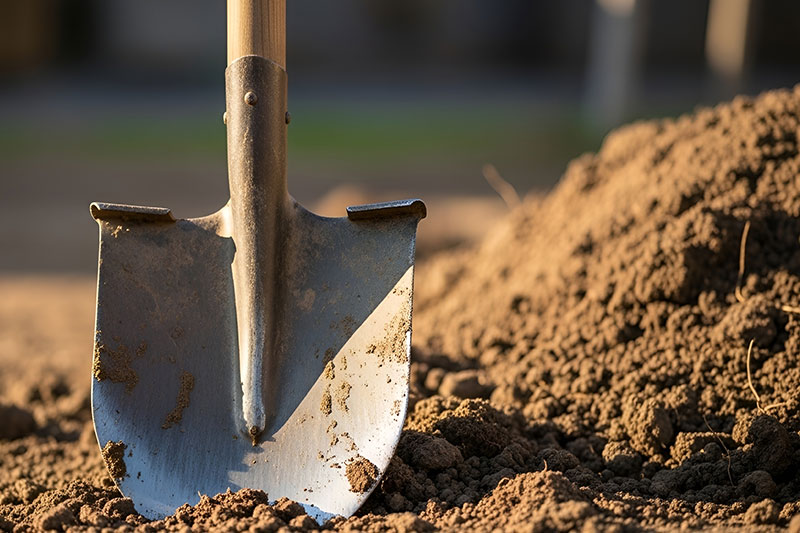
Fill dirt is generally estimated by determining the volume of the area that needs to be filled, usually expressed in cubic yards.
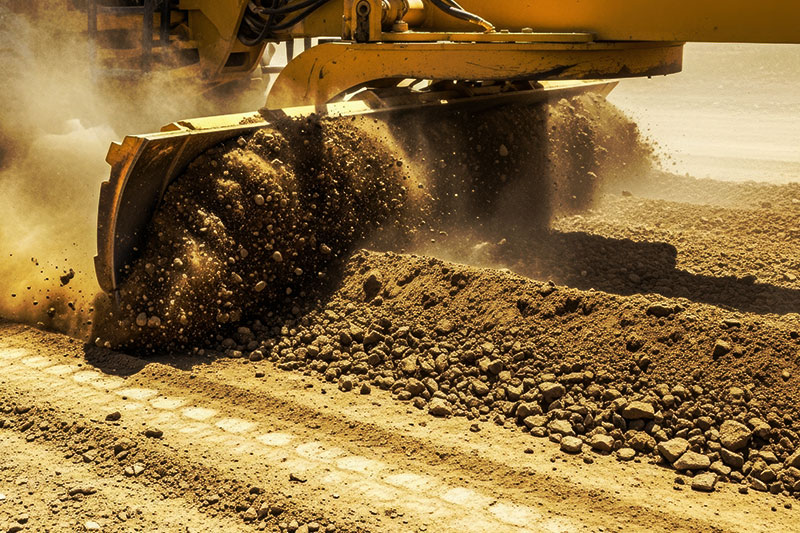
Fill dirt is commonly used for grading and leveling when a project requires adding elevation, filling depressions, reshaping an area, or establishing an underlying grade.
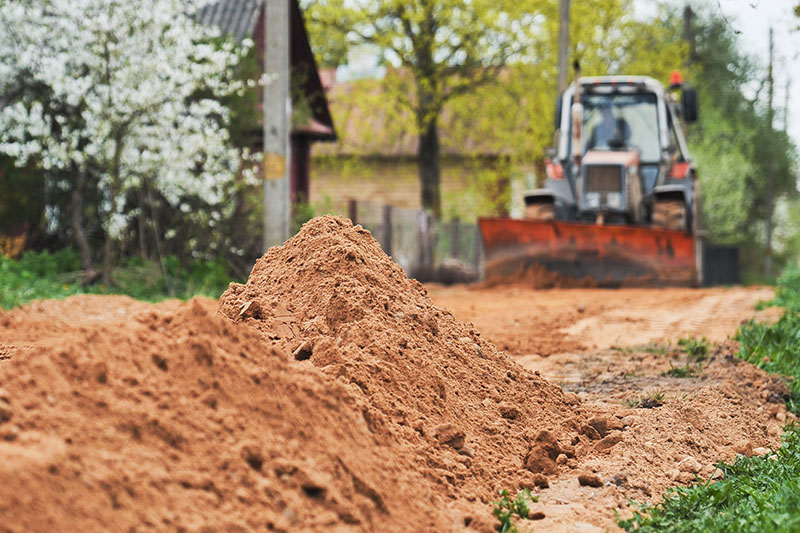
A low area in a yard may result from settlement, previous grading, erosion, construction disturbance, or the property's existing contours.
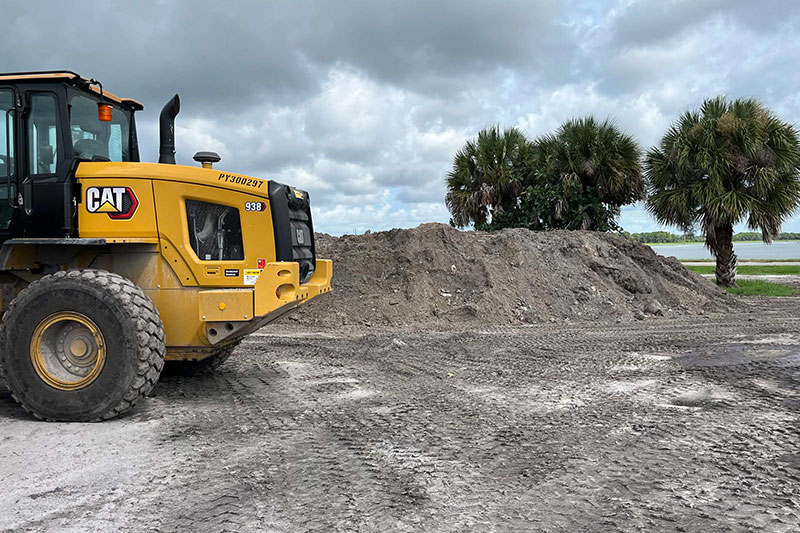
Backfill is material placed into an excavated or open area after construction, installation, or other work has been completed.
Guides that help decide whether fill dirt or another material fits the job.
Practical fill dirt guides for grading, leveling, and site preparation work.
A low area in a yard may result from settlement, previous grading, erosion, construction disturbance, or the property's existing contours.
Fill dirt is commonly used for grading and leveling when a project requires adding elevation, filling depressions, reshaping an area, or establishing an underlying grade.
Backfill is material placed into an excavated or open area after construction, installation, or other work has been completed.
Use these tools and resources to estimate material quantities, calculate project volume, understand pricing, and plan your fill dirt project before ordering.
Estimate how much fill dirt your project requires based on your project dimensions before ordering.
Need to calculate volume for a landscaping or construction project? Convert your project dimensions into cubic yards before choosing a material or placing your order.
Learn how bulk material delivery works, what to expect on delivery day, and how to prepare your property for a successful dump truck delivery.
Understand the factors that affect bulk material pricing, including quantity, delivery distance, and material type, to help you budget your project with confidence.
Explore in-depth guides covering fill dirt selection, project planning, buying advice, material comparisons, delivery, and more.
Find answers to some of the most common questions about choosing, estimating, and ordering fill dirt.
Choosing the right material often means using more than one product. These bulk materials are commonly ordered alongside fill dirt for grading, landscaping, and outdoor improvement projects.
Use fill dirt to build up low areas, establish grade, or create a stable base before applying topsoil.
View ProductIdeal for lawns, gardens, landscape beds, and final grading where healthy plant growth is important.
View ProductCommonly used beneath pavers, around landscaping features, and for leveling applications.
View ProductWhether you're leveling a yard, filling low spots, or preparing a sitework project, Soils.com makes it easy to estimate the quantity you need and view delivered pricing before ordering.
Start a Project Quote →