Fill Dirt Calculator
Use our Fill Dirt Calculator to estimate how much fill dirt your project requires before placing an order. Enter your project's length, width, and desired depth to calculate the cubic yards needed for grading, leveling, building pads, backfilling foundations, and other site preparation projects.
Materials
Click to compare materials
Pick a project size
or
Enter length, width, and depth
Area 1
Current area: 0 sq ft · 0 cy
YOU’LL NEED APPROXIMATELY
0cy
Fill Dirt
Delivered price
Enter measurements
Free delivery included
How to Calculate Fill Dirt
Calculating the amount of fill dirt you need begins by measuring the length and width of the area in feet, then determining the desired depth. Most grading and site preparation projects require fill dirt to be installed in multiple compacted layers, so it's important to estimate the total finished depth before ordering. If your depth is measured in inches, convert it to feet before calculating the volume.
The basic formula is:
Length × Width × Depth ÷ 27 = Cubic Yards
One cubic yard contains 27 cubic feet, making it the standard unit used to purchase bulk fill dirt and other landscape materials.
Our Fill Dirt Calculator performs these calculations automatically, helping you estimate the amount of material needed without doing the math yourself.
The basic formula is:
Length × Width × Depth ÷ 27 = Cubic Yards
One cubic yard contains 27 cubic feet, making it the standard unit used to purchase bulk fill dirt and other landscape materials.
Our Fill Dirt Calculator performs these calculations automatically, helping you estimate the amount of material needed without doing the math yourself.
Common Fill Dirt Coverage Examples
The amount of area one cubic yard of fill dirt covers depends on how deep the material is installed.
| Fill Dirt Depth | Approximate Coverage per Cubic Yard |
|---|---|
| 1 inch | 324 sq ft |
| 2 inches | 162 sq ft |
| 3 inches | 108 sq ft |
| 4 inches | 81 sq ft |
| 6 inches | 54 sq ft |
These examples are intended as general guidelines. Actual requirements may vary depending on grading, compaction, settling, and site conditions.
Common Uses for Fill Dirt
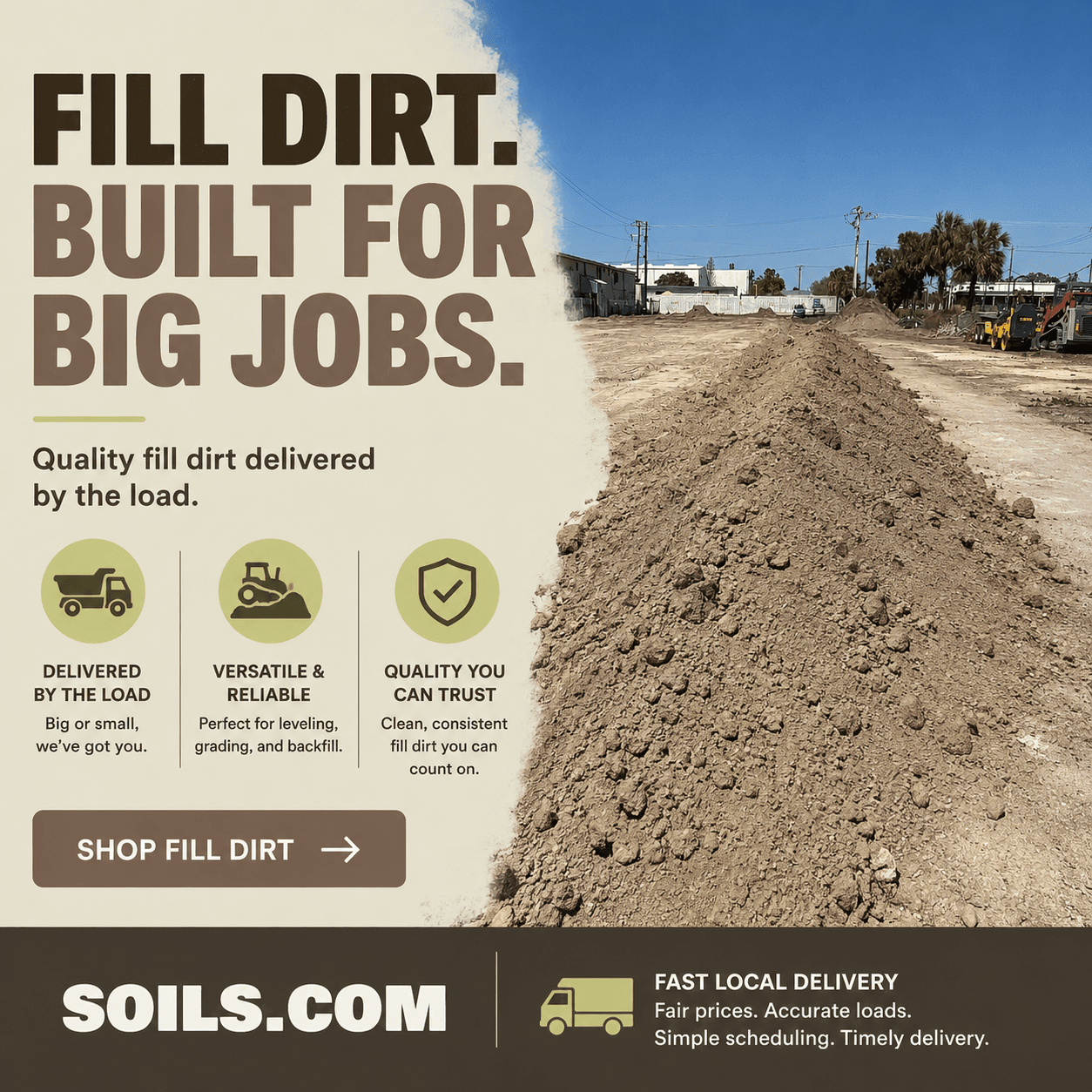
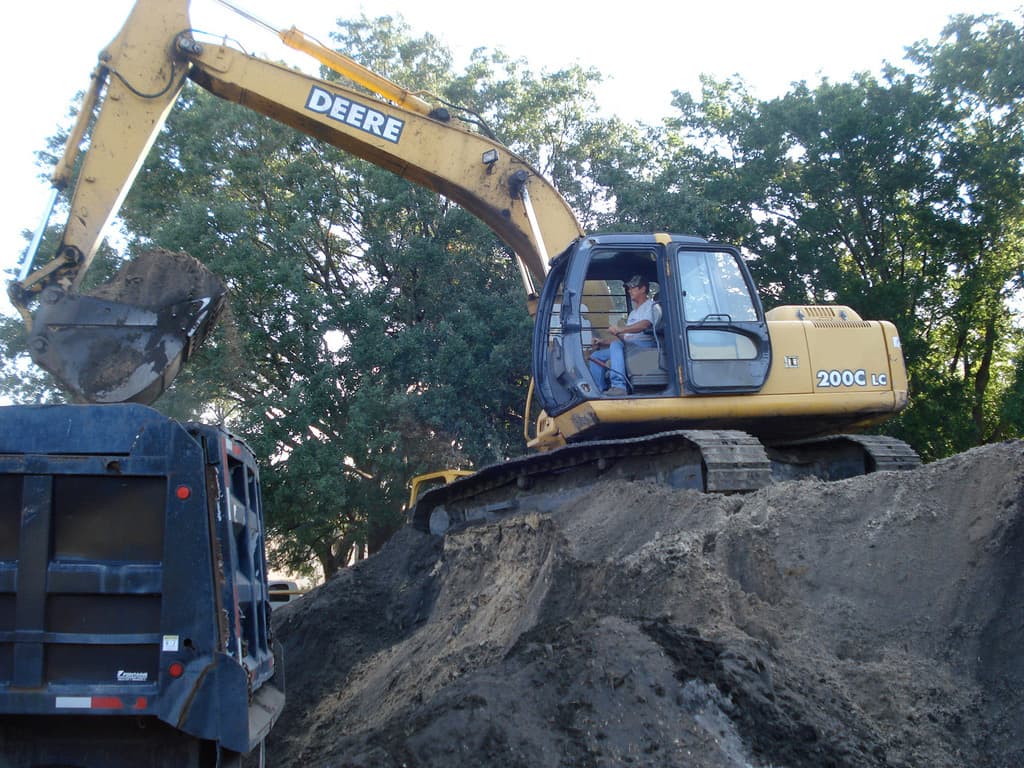
Fill dirt is primarily used to create a stable foundation for construction and landscaping projects. Because it contains little to no organic material, it compacts well and provides long-term support without the settling that can occur with nutrient-rich topsoil.
Common applications for fill dirt include:
Common applications for fill dirt include:
- Grading and leveling uneven properties
- Building pads for sheds, garages, and other structures
- Backfilling around foundations and retaining walls
- Raising low areas in yards and lots
- Preparing sites for driveways, sidewalks, and patios
- Filling holes, trenches, and excavated areas
- Improving drainage by reshaping the landscape
For projects that require healthy soil for planting, topsoil is generally the better choice. Fill dirt is designed for structural support and site preparation rather than growing grass, flowers, or gardens.
Tips for Ordering Fill Dirt
Before ordering fill dirt, keep these best practices in mind:
Measure the finished grade. Calculate the total amount of fill needed based on your desired final elevation, not just the existing ground level.
Plan for compaction. Fill dirt is typically installed and compacted in layers to create a stable foundation. Depending on your project, additional material may be needed to achieve the desired finished grade after compaction.
Remove organic material first. Clear away grass, roots, topsoil, and other organic matter before placing fill dirt to help ensure long-term stability.
Maintain proper drainage. Grade the surface so water flows away from foundations and structures to help prevent pooling and erosion.
Order a little extra. Consider ordering slightly more fill dirt than calculated to account for uneven terrain, compaction, and minor measurement differences.
Proper site preparation and accurate measurements can help reduce waste, avoid additional deliveries, and create a more stable finished project.
Measure the finished grade. Calculate the total amount of fill needed based on your desired final elevation, not just the existing ground level.
Plan for compaction. Fill dirt is typically installed and compacted in layers to create a stable foundation. Depending on your project, additional material may be needed to achieve the desired finished grade after compaction.
Remove organic material first. Clear away grass, roots, topsoil, and other organic matter before placing fill dirt to help ensure long-term stability.
Maintain proper drainage. Grade the surface so water flows away from foundations and structures to help prevent pooling and erosion.
Order a little extra. Consider ordering slightly more fill dirt than calculated to account for uneven terrain, compaction, and minor measurement differences.
Proper site preparation and accurate measurements can help reduce waste, avoid additional deliveries, and create a more stable finished project.
Calculate Other Materials
Continue estimating your project using one of our other dedicated calculators:

Cubic Yard Calculator
Calculate the cubic yards required for any bulk landscape material.
Topsoil • Fill Dirt • Sand • Gravel
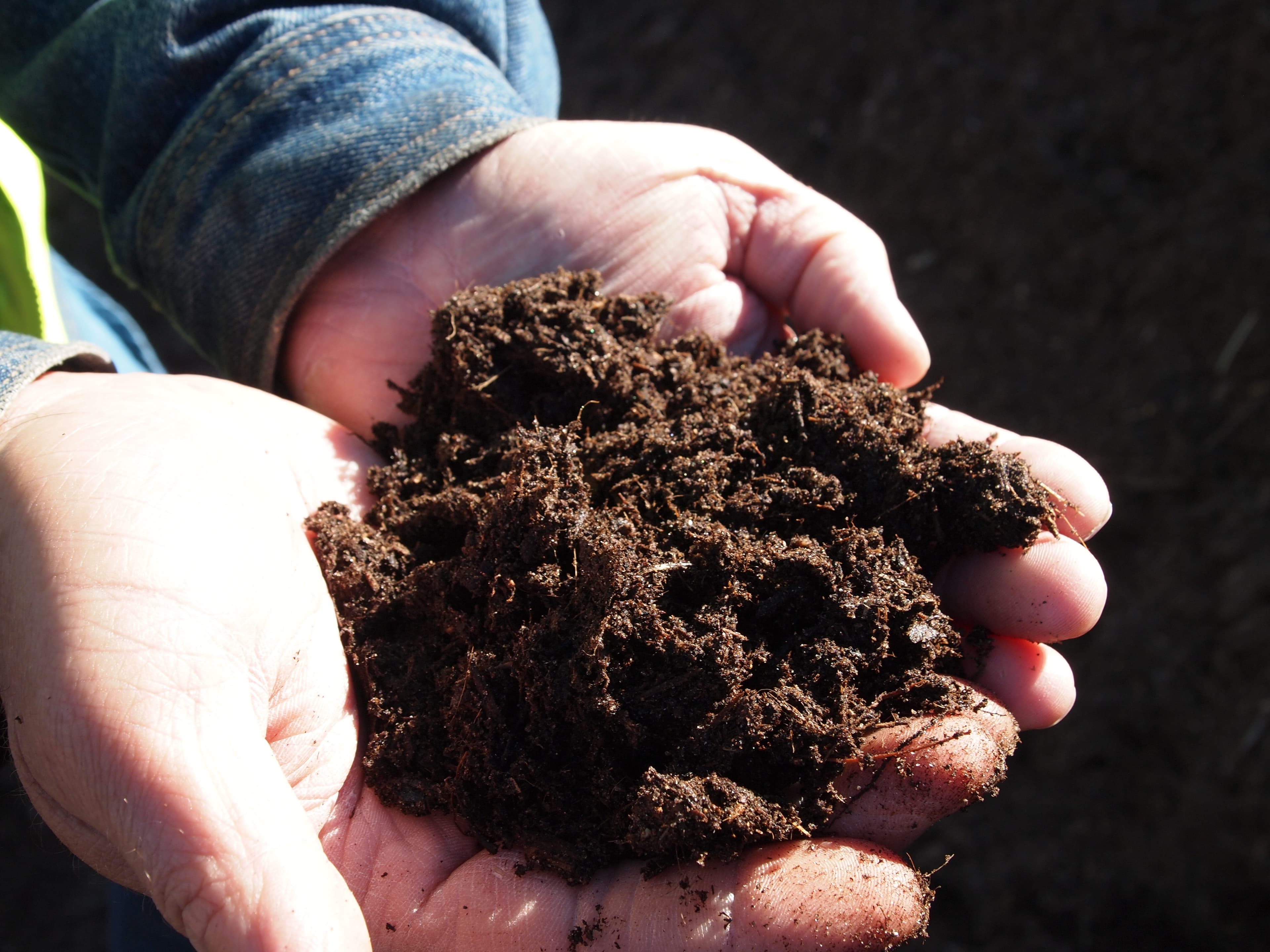
Topsoil Calculator
Calculate the topsoil needed for your landscaping project.
Lawns • Garden Beds • Grading • Planting
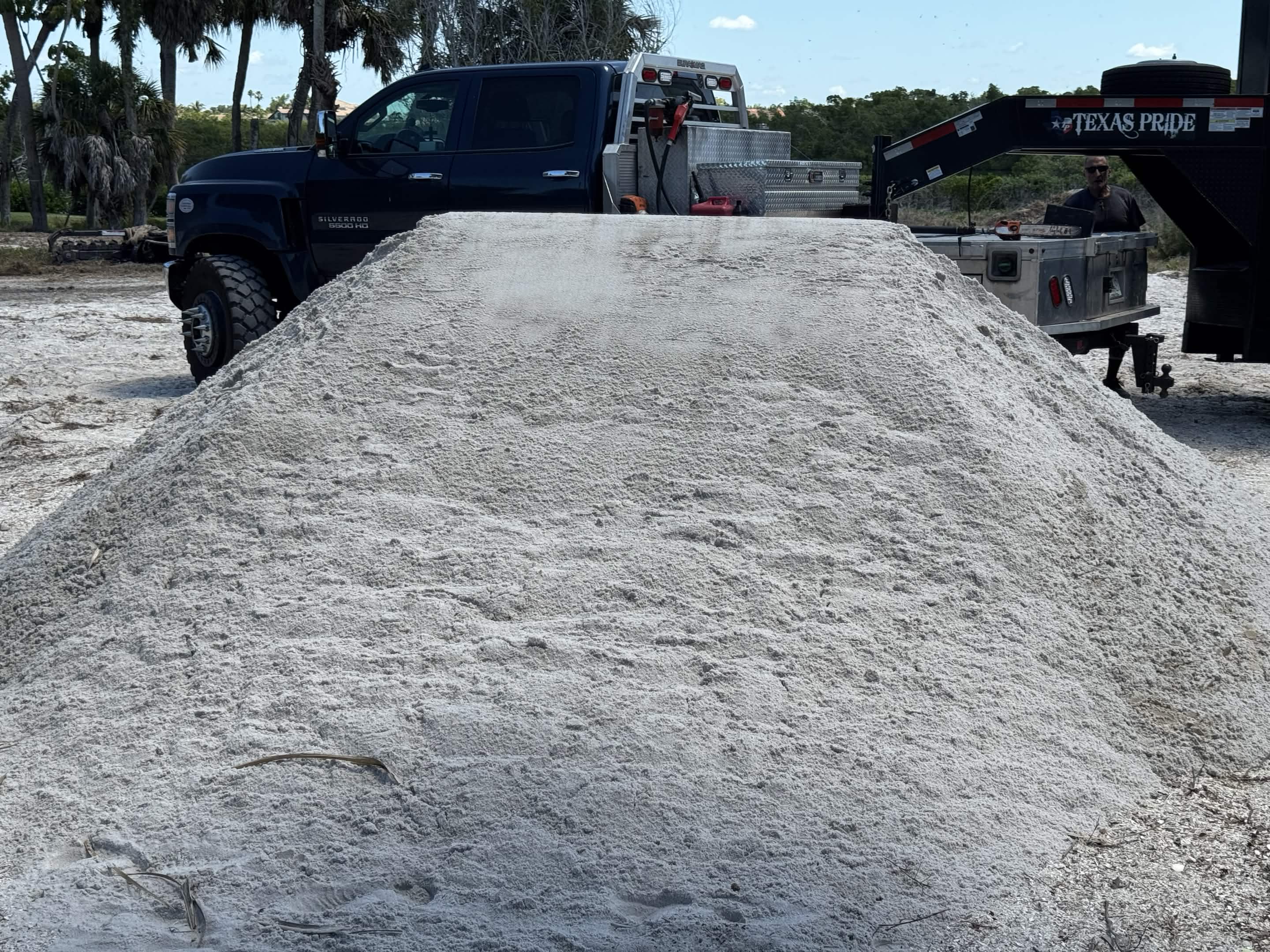
Mason Sand Calculator
Calculate the amount of mason sand required for your project.
Pavers • Masonry • Leveling • Play Areas
57 Limestone Calculator
Calculate the Limerock 57 Stone needed for your project.
Driveways • Drainage • Parking Areas • Landscaping
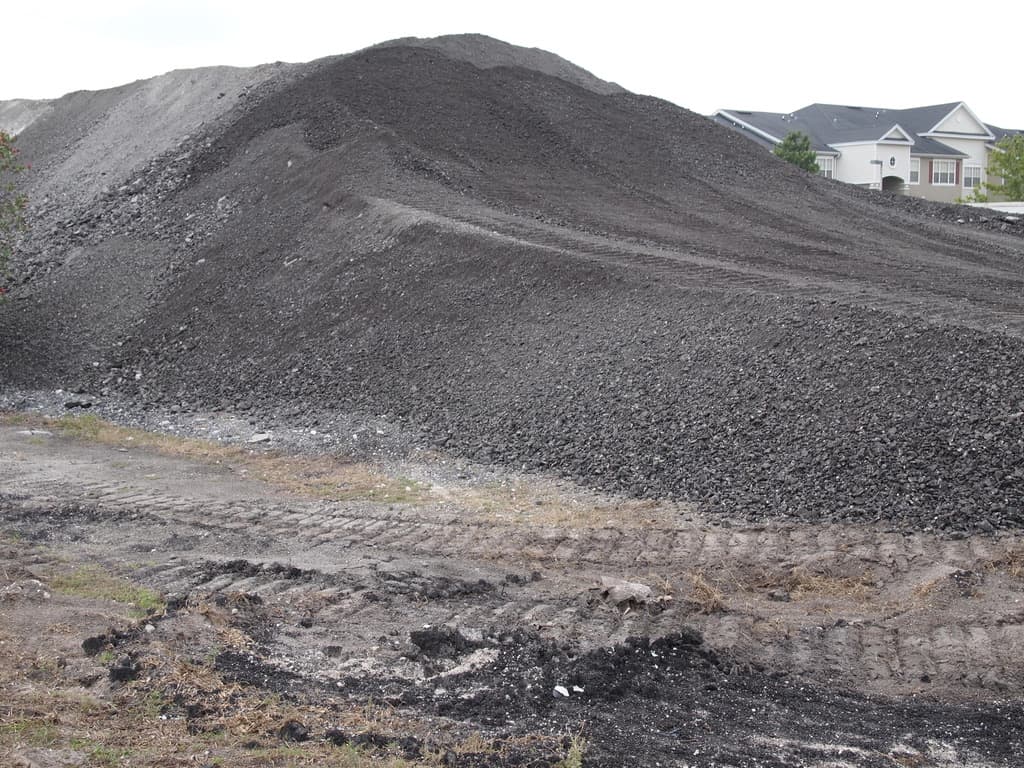
Crushed Asphalt Millings Calculator
Calculate the asphalt millings required for your project.
Driveways • Roads • Parking Areas • Pathways
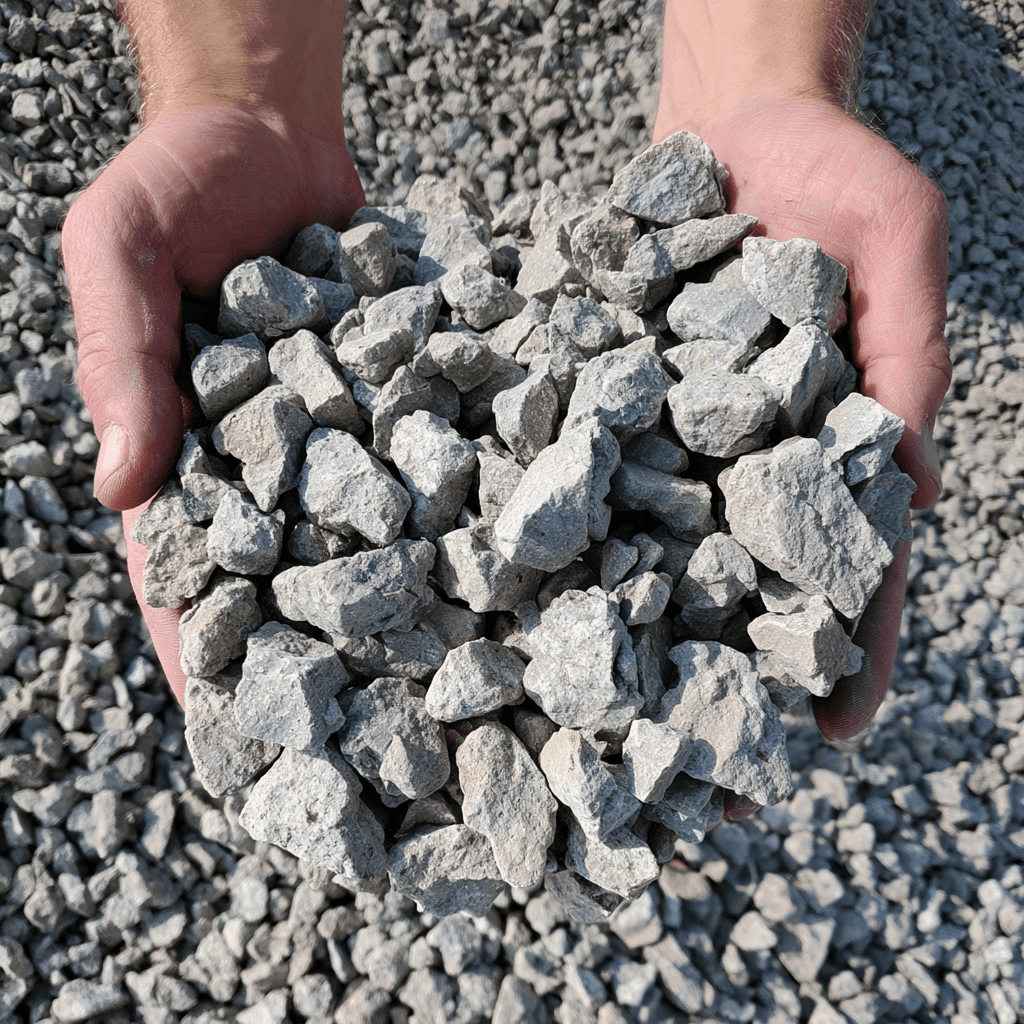
Recycled Concrete 57 Stone Calculator
Calculate the recycled concrete aggregate needed for your project.
Driveways • Road Base • Drainage • Building Pads
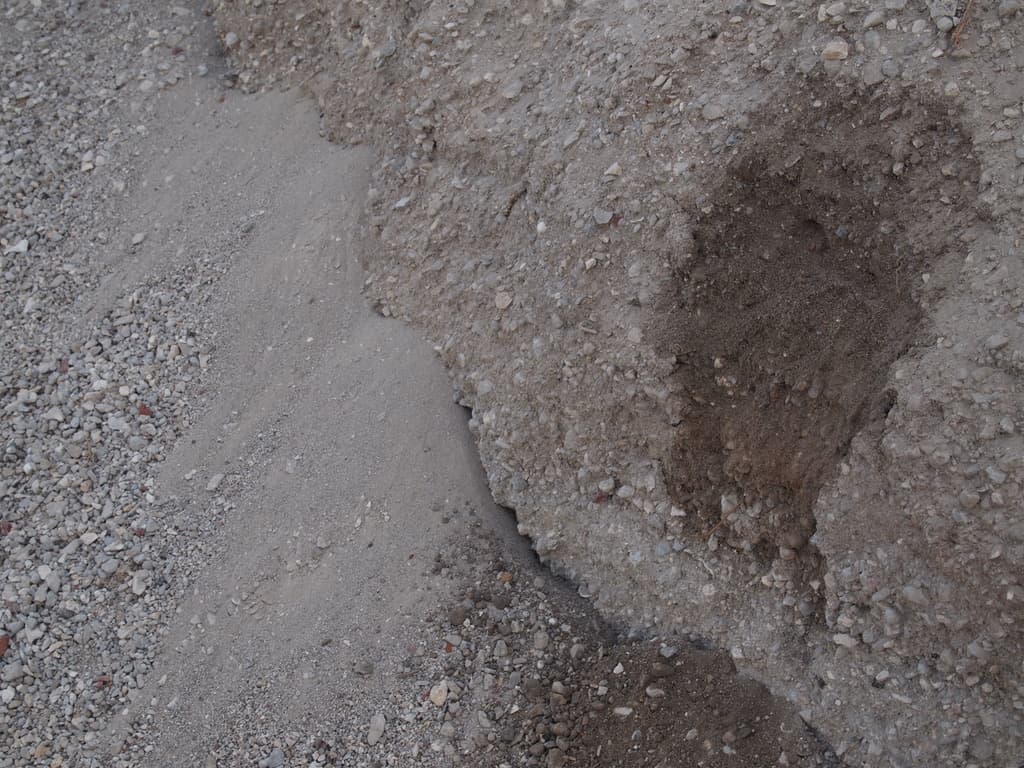
Recycled Concrete Screening Fines Calculator
Calculate the concrete screening fines required for your project.
Paver Base • Walkways • Leveling • Compaction