What Is Fill Dirt? Uses, Types & What to Know
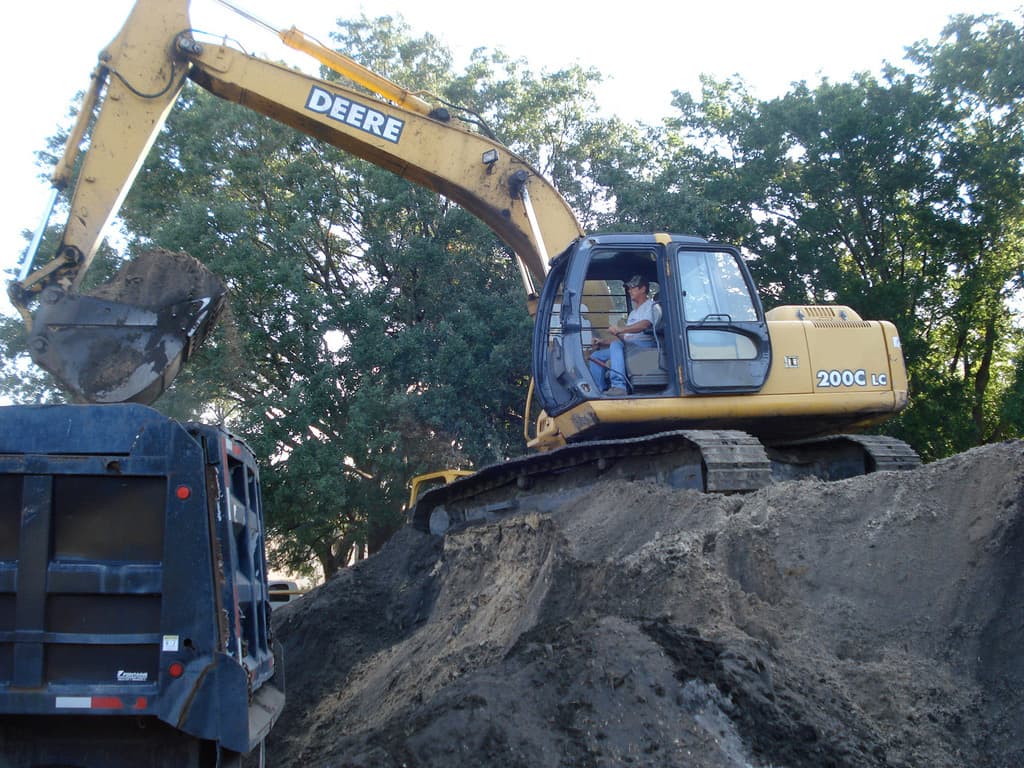
Fill dirt is soil or earth material commonly used to fill low areas, establish or change grade, build up elevation, and support certain construction and landscaping applications.
Table of Contents
- TL;DR - Understanding Fill Dirt
- What Is Fill Dirt Made Of?
- What Is Fill Dirt Used For?
- Fill Dirt for Grading and Leveling
- Fill Dirt for Low Areas in a Yard
- Fill Dirt for Backfill
- What's the Difference Between Fill Dirt and Topsoil?
- Can You Grow Grass on Fill Dirt?
- Does Fill Dirt Need to Be Compacted?
- How Much Fill Dirt Do You Need?
- What Is Clean Fill Dirt?
- How to Choose Fill Dirt for Your Project
- Fill Dirt FAQs
- Need Fill Dirt for Your Project?
Fill dirt is soil or earth material commonly used to fill low areas, establish or change grade, build up elevation, and support certain construction and landscaping applications. Unlike topsoil, fill dirt is generally selected for its ability to create volume and establish the underlying grade rather than serve as the primary growing layer for plants.
The exact composition and suitability of fill dirt can vary by source and supplier, so the right material depends on how and where it will be used. A residential yard-grading project, for example, may have different requirements from structural or engineered construction work.
TL;DR - Understanding Fill Dirt
- Fill dirt is commonly used to fill low areas, change elevation, establish grade, and provide underlying material for landscaping and certain construction applications.
- It generally contains less organic material than growing-oriented topsoil, but composition varies by source.
- Fill dirt and topsoil serve different purposes: fill dirt typically establishes the underlying grade, while topsoil provides the upper growing layer where vegetation is planned.
- Material requirements can be more specific for structural, engineered, drainage-sensitive, or permitted projects, so generic fill dirt shouldn't automatically be treated as engineered fill.
What Is Fill Dirt Made Of?
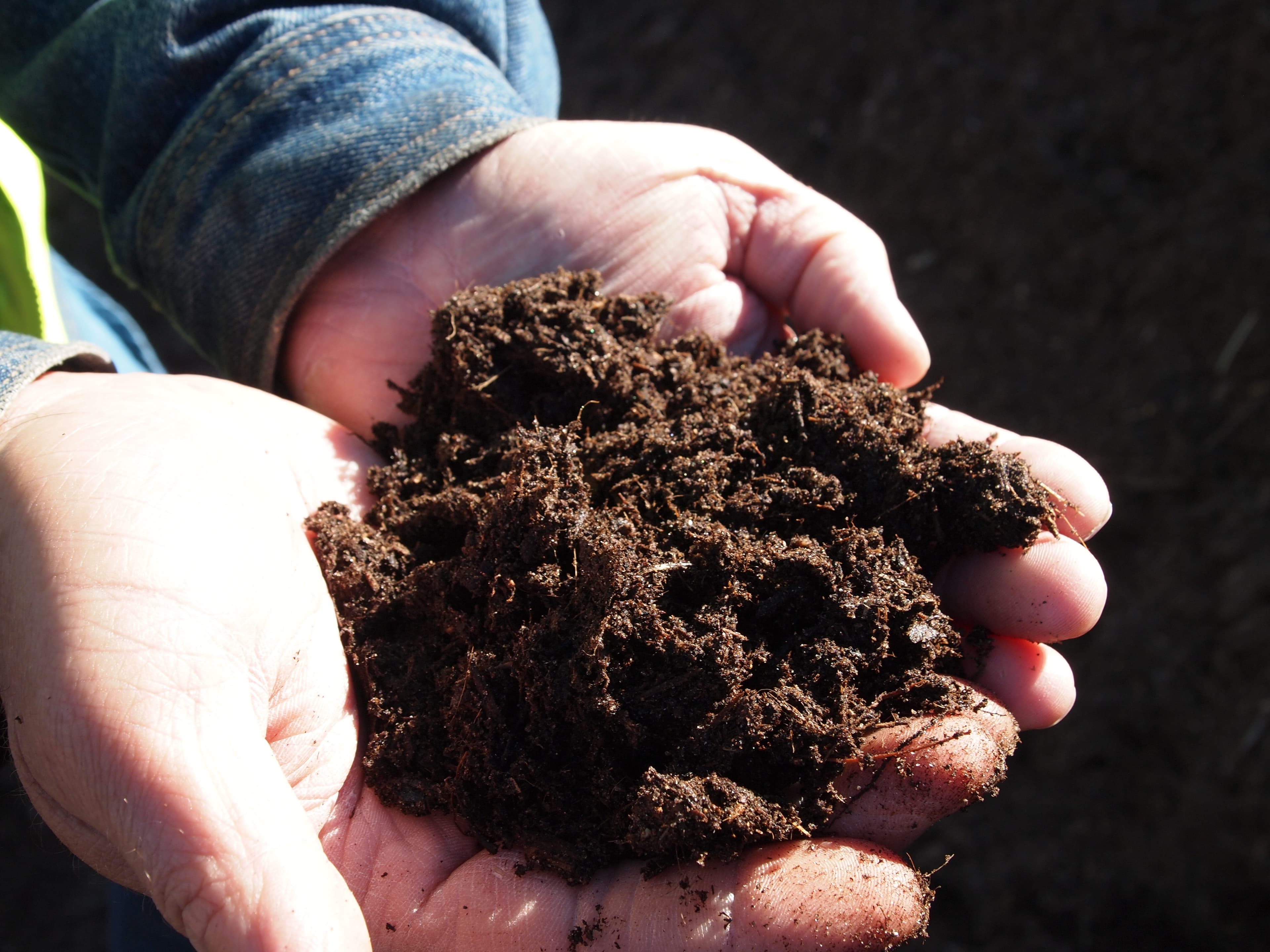
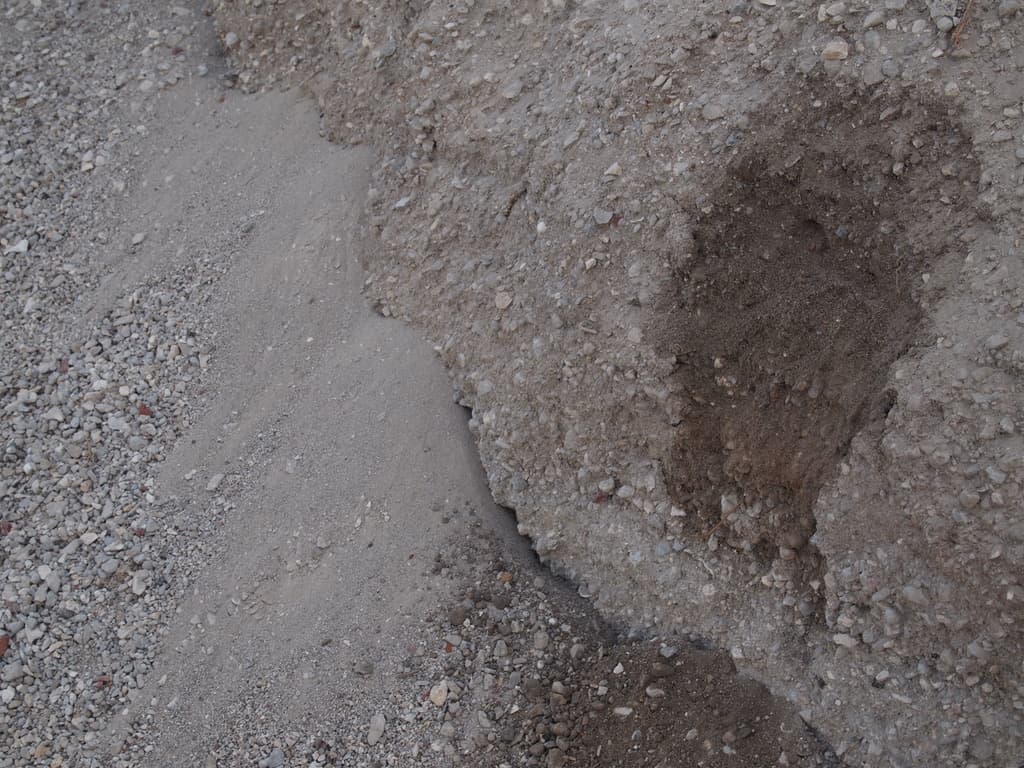
There's no single universal composition for fill dirt. Depending on the source, it may contain varying amounts of sand, silt, clay, subsoil, small stones or aggregate-like material, and naturally occurring mineral soil.
Organic content is generally less important than it is for topsoil, since fill dirt isn't primarily selected as a growing medium - but that doesn't mean it's defined by an absence of organic matter. Composition varies, and the important distinction is primarily its intended function rather than a fixed recipe.
Material characteristics affect drainage, workability, compaction, settlement, and suitability for the intended project.
What Is Fill Dirt Used For?
Fill dirt supports a range of applications, including:
- Raising ground elevation
- Filling low areas
- Grading and leveling
- Creating an underlying base beneath topsoil
- Certain backfill applications
- General site preparation
- Landscaping projects requiring additional volume
The appropriate material for each of these depends on the specifics of the project - a few of the most common applications are covered below.
Fill Dirt for Grading and Leveling
Fill dirt is frequently used where the underlying ground elevation or grade needs to change - raising low portions of a property, establishing rough grade, building up an area before landscaping, creating transitions between elevations, or preparing a site for subsequent surface materials.
Grading affects how water moves across a property, so drainage, surrounding elevations, structures, utilities, and local requirements can all influence how a site should be graded. For a deeper look at these applications, see our guide to using fill dirt for grading and leveling.
Fill Dirt for Low Areas in a Yard
Low areas in a yard can develop for a number of reasons - settlement, previous excavation, site contours, erosion, landscape changes, or other site conditions. Fill dirt may be appropriate when meaningful depth or elevation needs to be restored.
That said, a low spot isn't automatically a simple fill job. Before adding material, it's worth determining whether the low area is just an elevation issue or part of a larger drainage problem, particularly if water consistently collects there. For more detail, see our guide on filling low areas in a yard.
Fill Dirt for Backfill
Backfill generally refers to material placed into an excavated area after construction, utility, foundation, drainage, or other sitework has occurred. Potential applications include areas around trenches, excavations, landscape construction, certain foundations or structures, and utility or sitework areas.
Generic fill dirt isn't automatically appropriate for every backfill application. Some projects specify material type, particle size, moisture characteristics, placement method, compaction, or testing requirements - particularly engineered fill. See our guide to fill dirt for backfill for a more detailed explanation.
What's the Difference Between Fill Dirt and Topsoil?
Fill dirt is generally used to create volume, establish elevation, and form the underlying grade. Topsoil is generally used near the surface where lawns, gardens, or landscaping need a suitable growing layer.
For a full breakdown, see our guide to topsoil vs. fill dirt.
Can You Grow Grass on Fill Dirt?
Grass may grow in some fill materials, but fill dirt isn't generally selected or sold primarily for its growing characteristics. Its texture, organic content, drainage, compaction, and other properties can vary considerably.
For lawn projects that require significant grade changes, one approach is to establish the underlying grade with appropriate fill, add suitable growing soil or topsoil where needed, and then establish vegetation. See our guides to what topsoil is and topsoil for lawns and sod for more on that final growing layer.
Does Fill Dirt Need to Be Compacted?
It depends on the project. Material placed in depth can settle over time, which is why some projects call for controlled placement and compaction - but the requirements differ between general landscaping fill, residential grading, and structural or engineered applications.
For engineered construction, compaction requirements may be specified by plans, engineers, contractors, or applicable codes, and shouldn't be replaced by generic online guidance.
How Much Fill Dirt Do You Need?
Quantity primarily depends on area multiplied by the average depth being filled. Fill projects are often harder to estimate than simple rectangular topsoil applications, since existing elevations vary, low areas may be irregular, depth can change across the site, material may settle or compact, and the finished elevation matters.
Example: A 20 x 20 ft area raised an average of 1 ft: 400 sq. ft. x 1 ft = 400 cubic feet, and 400 / 27 = about 14.8 cubic yards.
Our guide to calculating how much fill dirt you need covers estimating irregular areas, depth, cubic yards, and other considerations in more detail. You can also use the Fill Dirt Calculator to estimate your project quantity.
What Is Clean Fill Dirt?
"Clean fill" is a term that comes up often, and it can carry regulatory or local meaning depending on where you're located. At a general consumer level, the term may refer to fill material intended to be free of inappropriate waste, trash, contamination, or other unwanted material.
What legally qualifies as clean fill can depend on state, local, environmental, disposal, and project-specific requirements - it isn't a single universal standard.
How to Choose Fill Dirt for Your Project
- Determine why the material is needed
- Measure the area and approximate depth
- Identify the desired finished elevation
- Consider drainage and surrounding grades
- Determine whether vegetation will be established above it
- Identify any project-specific material or compaction requirements
- Estimate the required cubic yards
- Confirm material availability and delivered pricing
Fill Dirt FAQs
Is fill dirt the same as topsoil?
No. Fill dirt is generally used to establish grade, elevation, or underlying volume, while topsoil is generally intended for the upper growing layer. See our topsoil vs. fill dirt comparison for more detail.
What is fill dirt commonly used for?
Common applications include filling low areas, raising elevation, grading and leveling, site preparation, and certain backfill applications. Suitability depends on the material and project requirements.
Can you use fill dirt to level a yard?
Fill dirt can be appropriate where meaningful elevation or grade needs to be added. However, drainage and surrounding elevations should be considered before changing a property's grade. Our guide to using fill dirt for grading and leveling explains these considerations in more detail.
Can grass grow on fill dirt?
Grass may grow in some fill material, but fill dirt isn't primarily selected for growing characteristics. Where a lawn is planned, appropriate topsoil or another suitable growing layer may be placed above the established grade.
How much fill dirt do I need?
Calculate the area being filled and its average required depth to estimate volume. Because fill depths often vary across a site, irregular areas may require several measurements. See how much fill dirt you need for the complete estimating process.
Need Fill Dirt for Your Project?
Whether you're filling a low area, changing grade, or preparing a site for landscaping or construction, start by determining the volume and material requirements for your project. Estimate the amount you need, then enter your ZIP code to view available fill dirt and delivered pricing for your location.