Fill Dirt for Grading and Leveling: How It's Used
Fill dirt is commonly used for grading and leveling when a project requires adding elevation, filling depressions, reshaping an area, or establishing an underlying grade.
Table of Contents
- TL;DR - Using Fill Dirt for Grading and Leveling
- What Does Grading Mean?
- Why Is Fill Dirt Used for Grading?
- How Fill Dirt Is Used to Raise or Level an Area
- Using Fill Dirt to Level a Yard
- Grading Around a House or Structure
- Does Fill Dirt Improve Drainage?
- Does Fill Dirt Need to Be Compacted for Grading?
- How Much Fill Dirt Do You Need for Grading?
- Should Topsoil Go Over Fill Dirt After Grading?
- What to Consider Before Ordering Fill Dirt for Grading
- Frequently Asked Questions About Fill Dirt for Grading
- Get Fill Dirt for Your Grading Project
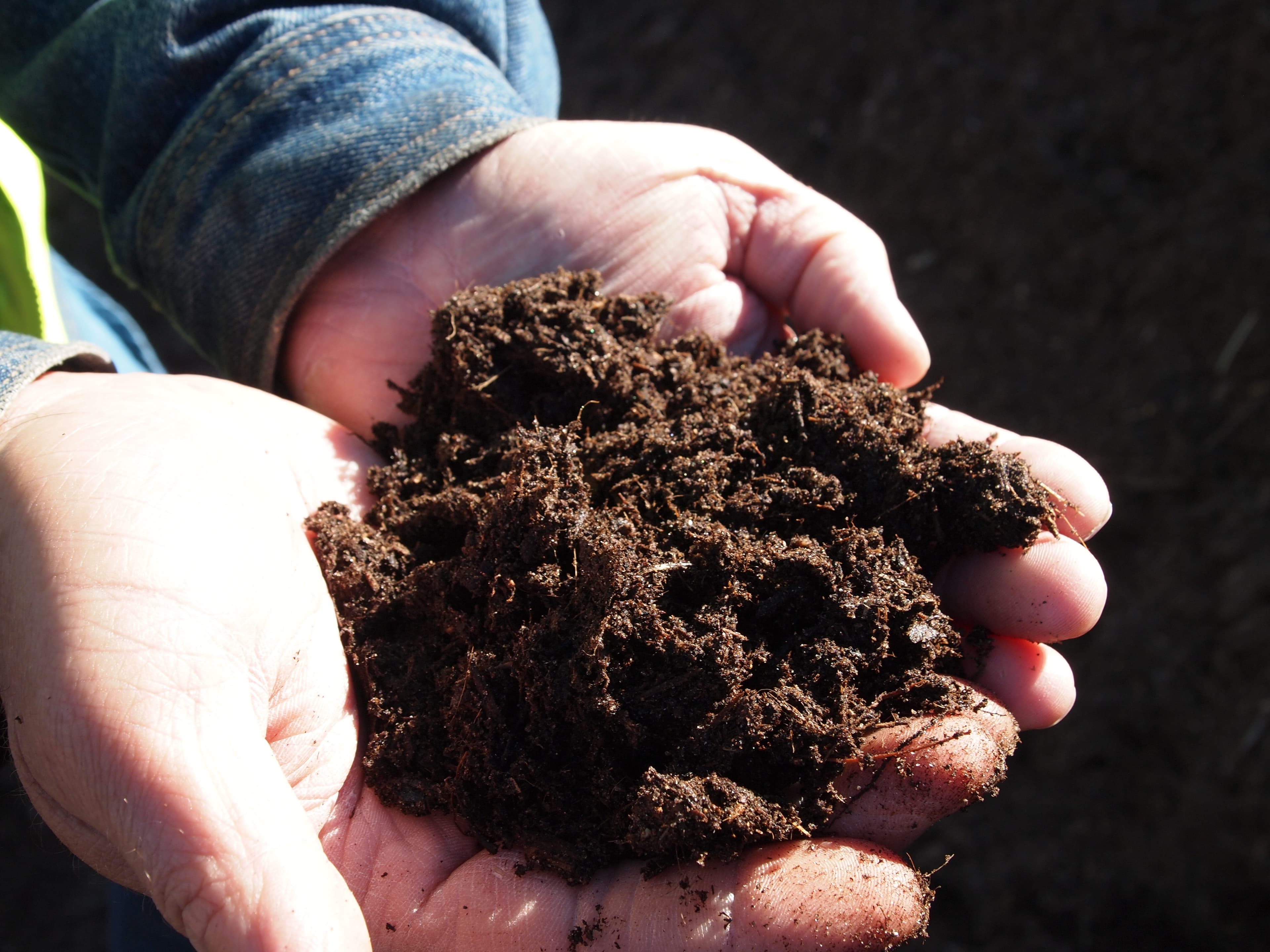
Fill dirt is commonly used for grading and leveling when a project requires adding elevation, filling depressions, reshaping an area, or establishing an underlying grade. Because it typically contains less organic material than topsoil, fill dirt can provide a more stable base beneath finished landscaping and other surface materials.
That said, adding fill changes where water moves across a site, so grading isn't simply a matter of dumping dirt into low spots. This guide walks through what grading actually means, how fill dirt fits into the process, and what to consider before changing a property's elevation. For a broader overview of the material itself, see our guide to what fill dirt is.
TL;DR - Using Fill Dirt for Grading and Leveling
- Fill dirt can be used to establish or change underlying grade.
- Material is typically placed where elevation needs to be added and may be compacted depending on the application.
- Topsoil may then be added where vegetation will be established.
- Drainage, neighboring elevations, structures, utilities, and project requirements need to be considered before substantially changing grade.
What Does Grading Mean?
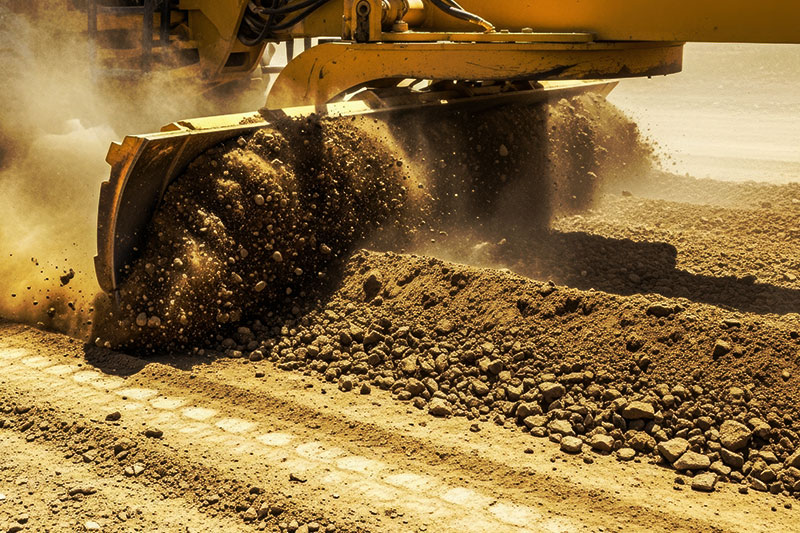
Grading means shaping or adjusting the elevation and slope of land to achieve a desired surface or base condition. It's not only about drainage - grading also comes into play for site preparation, landscaping, establishing elevations, filling depressions, preparing areas around structures, and creating a base for subsequent materials.
Rough Grading vs. Finish Grading
Rough grading establishes the general elevation, contours, and underlying shape of a site.
Finish grading refines the surface before landscaping, sod, planting, or another finished application goes in.
Fill dirt is more closely associated with establishing the underlying grade during rough grading, while topsoil may form the final growing layer once finish grading is complete.
Why Is Fill Dirt Used for Grading?
Fill dirt generally contains less organic material than topsoil and is commonly selected where the primary objective is establishing elevation or filling volume rather than supporting plant growth. That distinction is worth keeping in mind throughout a grading project: fill dirt builds the grade, while topsoil finishes the growing layer. See our guide to topsoil vs. fill dirt for the full comparison.
How Fill Dirt Is Used to Raise or Level an Area
The general process for a grading project looks something like this:
- Evaluate existing elevations and site conditions
- Determine the desired grade
- Estimate where material needs to be added
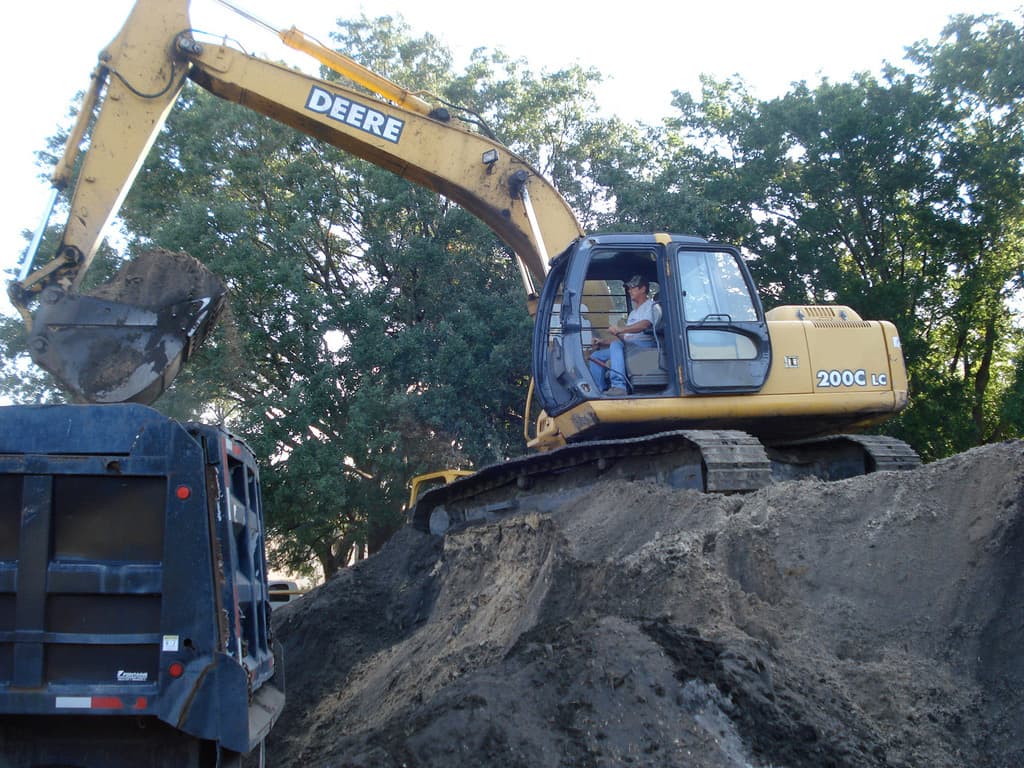
- Place fill in the appropriate areas
- Compact or consolidate the material as required by the application
- Shape the final underlying grade
- Add topsoil or another finish material where needed
The specific placement methods, lift thicknesses, and compaction requirements vary by project and are best determined based on the site itself rather than a one-size-fits-all process.
Using Fill Dirt to Level a Yard
Fill dirt may be appropriate where a yard needs substantial elevation added - but it's worth distinguishing minor surface imperfections from deeper grade changes. For shallow lawn leveling or topdressing, bulk fill dirt may not necessarily be the right material. For significant depressions or grade changes, fill dirt may establish the underlying elevation before suitable growing soil is added on top. See our guide on filling low areas in a yard for more on that distinction.
Grading Around a House or Structure
Grading near a house or other structure requires additional care, because changing elevations can alter how water moves around foundations, neighboring properties, drainage systems, and other site features. For substantial work in these areas, local requirements or site-specific professional guidance may apply - this isn't a place for guesswork.
Does Fill Dirt Improve Drainage?
Not automatically. Fill dirt can be used to reshape grade, which may influence drainage, but merely adding dirt doesn't inherently solve a drainage problem. Poorly planned grading can potentially redirect water somewhere undesirable rather than fixing the underlying issue. Any grading work intended to address drainage should account for how water will actually move once the new grade is in place.
Does Fill Dirt Need to Be Compacted for Grading?
It depends on the application. For projects where stability and final elevation matter, material may need to be placed and compacted appropriately, and loosely placed fill can settle over time if it isn't.
That said, not all fill dirt compacts the same way, and there's no universal compaction percentage or lift thickness that applies across every project. Generic fill dirt also shouldn't be assumed to qualify as structural or engineered fill - projects with those requirements typically call for specified materials and procedures.
How Much Fill Dirt Do You Need for Grading?
Quantity depends on the area being changed and the average amount of elevation being added. Our guide to calculating how much fill dirt you need walks through the volume calculation, including how to handle uneven and sloped areas. From there, the Fill Dirt Calculator can help estimate cubic yards based on your project dimensions.
Should Topsoil Go Over Fill Dirt After Grading?
Where the finished area needs to support lawn or planting, suitable growing soil or topsoil may be added over the established fill grade. But not every graded surface needs topsoil - the final application could instead involve another surface or construction material entirely, depending on the project. If you're grading in preparation for a lawn, see our guide to topsoil for lawns and sod for what comes next.
What to Consider Before Ordering Fill Dirt for Grading
- Existing elevations
- Desired final elevation
- Size of the area
- Average depth of fill required
- Drainage and water movement
- Nearby structures
- Utilities and other site features
- Intended finished surface
- Whether compaction or material specifications apply
- Local or site-specific requirements
Frequently Asked Questions About Fill Dirt for Grading
Can you use fill dirt to level a yard?
Yes, particularly where meaningful elevation needs to be added, but material selection depends on the project and finished use.
What kind of dirt should be used for grading?
Fill dirt is commonly used for underlying grade changes, but material requirements vary by project - some sites call for more specific characteristics than general landscape fill.
Does fill dirt need to be compacted?
It depends on the application. Stability-sensitive projects often require placement and compaction, but there's no single specification that applies to every job.
Can fill dirt fix drainage problems?
Not automatically. Changing grade can affect drainage, but the underlying cause and resulting water movement need to be considered before adding material.
Can you put topsoil over fill dirt?
Yes. Where vegetation will be established, topsoil or another suitable growing soil can be placed over an underlying fill grade to create the growing layer for lawns, planting areas, or landscaping.
Get Fill Dirt for Your Grading Project
Determine how much elevation needs to be added, then use the Fill Dirt Calculator to estimate your required cubic yards. When you're ready to order, explore fill dirt for bulk delivery to your location.