Construction and Sitework Guides
Whether you're preparing a construction site, grading a property, backfilling, building road base, or planning utility trench work, our construction and sitework guides will help you choose the right bulk materials for your project. Explore buying advice, material comparisons, installation tips, cost information, and planning resources designed for contractors and property owners.
What You'll Learn
Start Here
Start with the essential guides to understand, compare, and choose the right sitework material for your project.
Planning Tools & Resources
Use these tools and resources to estimate material quantities, calculate project volume, understand pricing, and plan your construction or sitework project before ordering.
Browse by Topic
Explore Related Guides
Learn more about the materials commonly used for grading, backfill, road base, drainage, and bulk delivery planning.
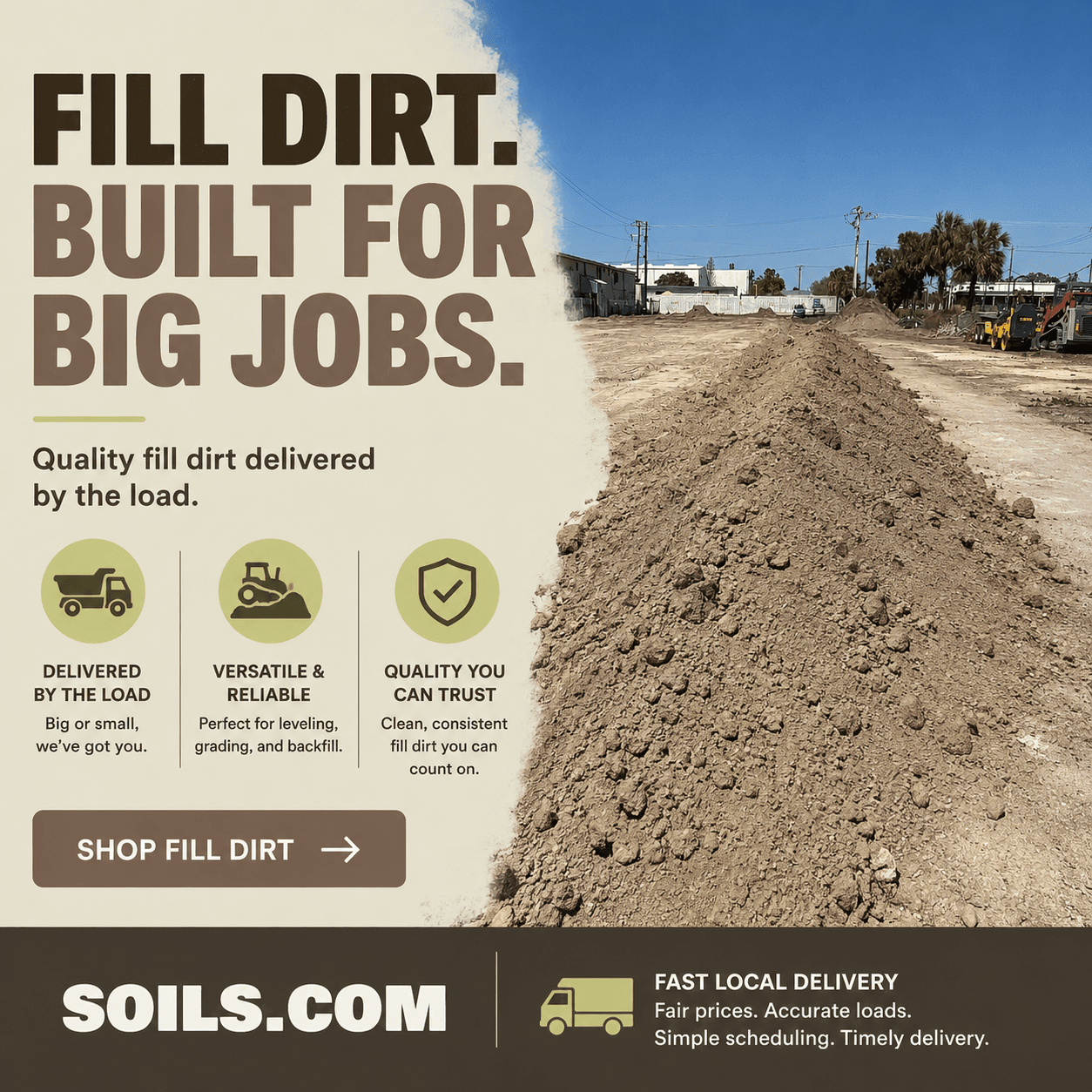
Fill Dirt Guide
Discover when to use fill dirt for grading, leveling, backfill, foundation preparation, and site development projects.
Aggregates Guide
Compare crushed stone, limestone, and other aggregate materials commonly used for drainage, road base, driveways, and construction.
Recycled Materials Guide
Learn about recycled concrete and asphalt materials that provide durable, cost-effective alternatives for many construction and sitework projects.
Bulk Delivery Guide
Learn how bulk material delivery works, what to expect on delivery day, and how to prepare for dump truck access.
Construction and Sitework FAQs
Find answers to some of the most common questions about choosing, estimating, and ordering construction and sitework materials.
What materials are commonly used for site preparation?
How much material do I need for site preparation?
Is fill dirt good for grading and backfill?
Can recycled materials be used for construction projects?
What is the difference between fill dirt and aggregate?
Products for Your Project
Ready to order? Explore the bulk materials most commonly used for construction and sitework projects and compare delivered pricing before placing your order.
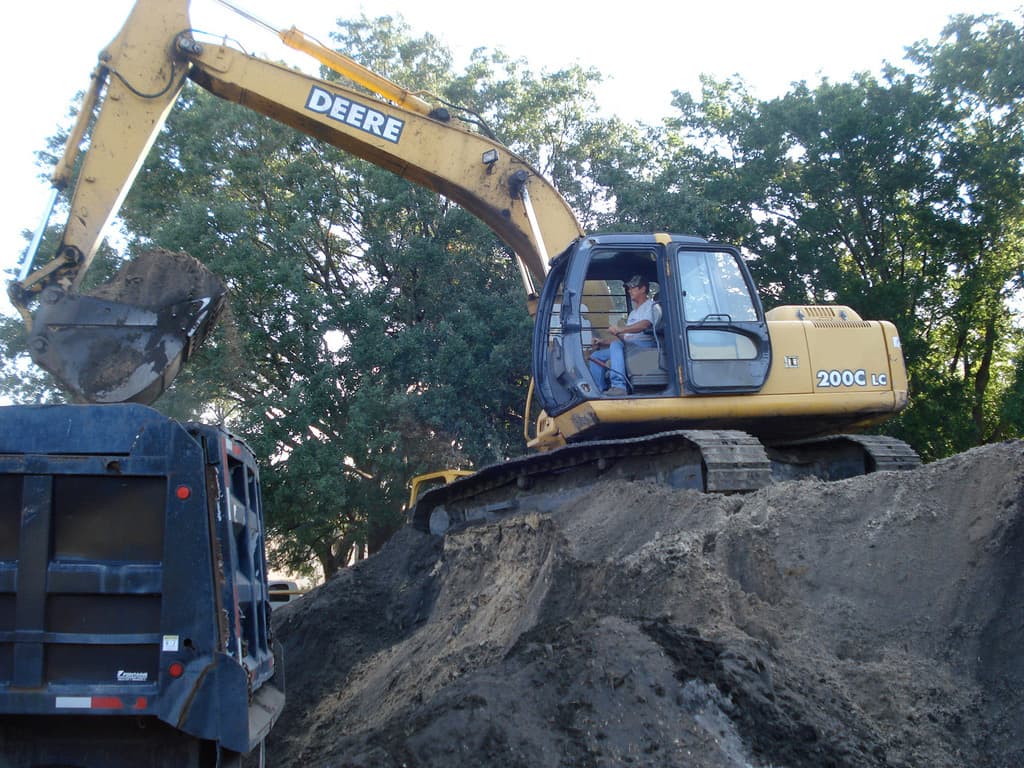
Fill Dirt
Use fill dirt to build up low areas, establish grade, or create a stable base before applying topsoil.
View Product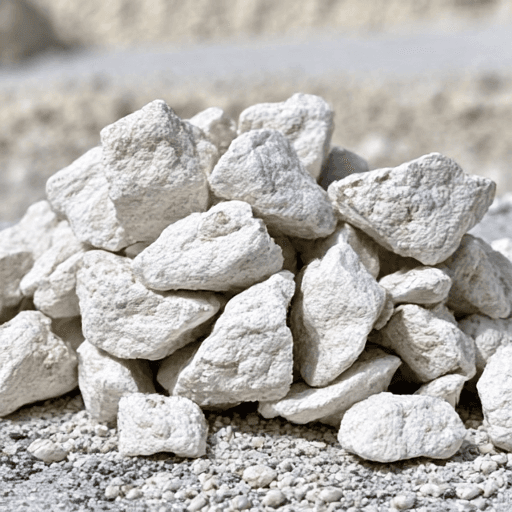
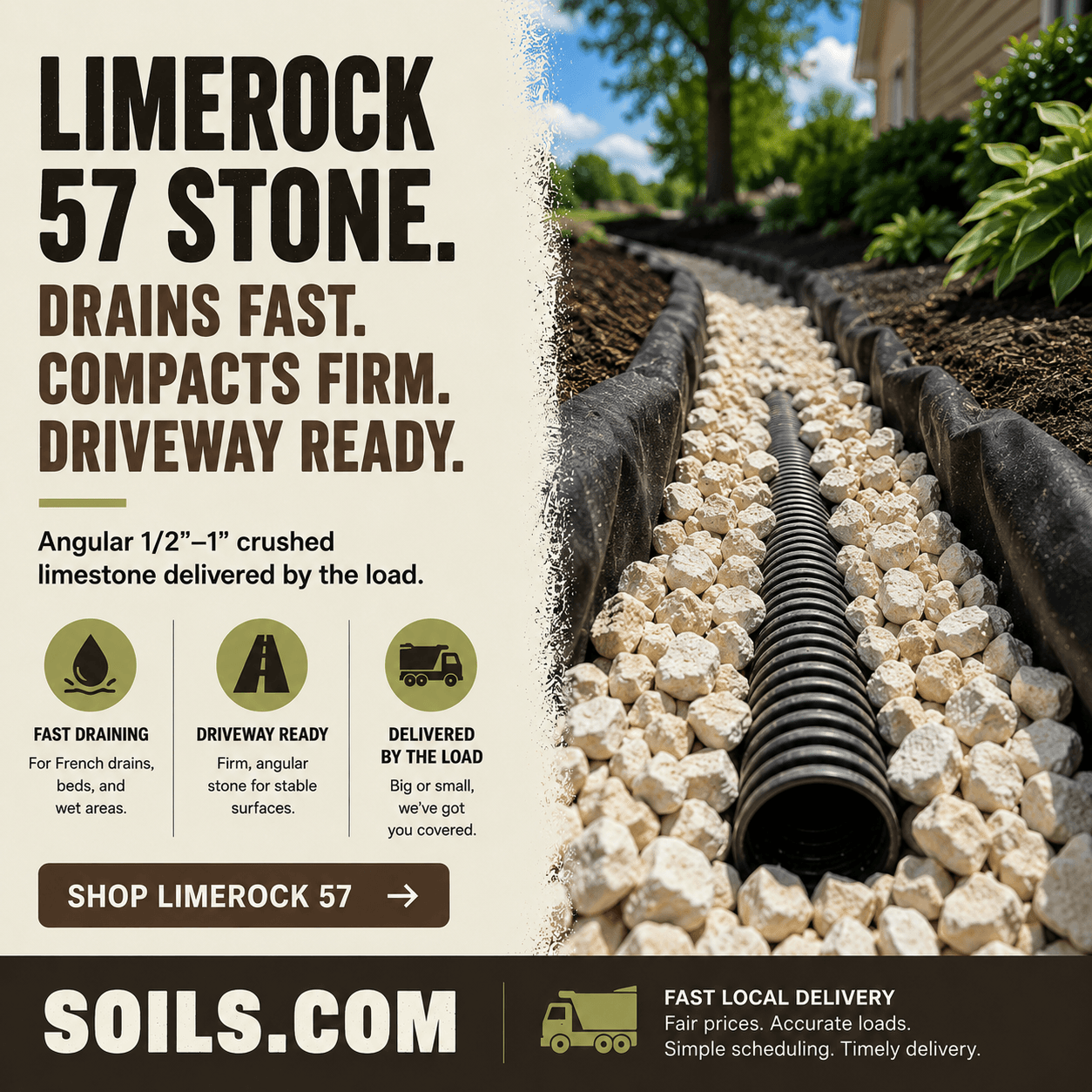
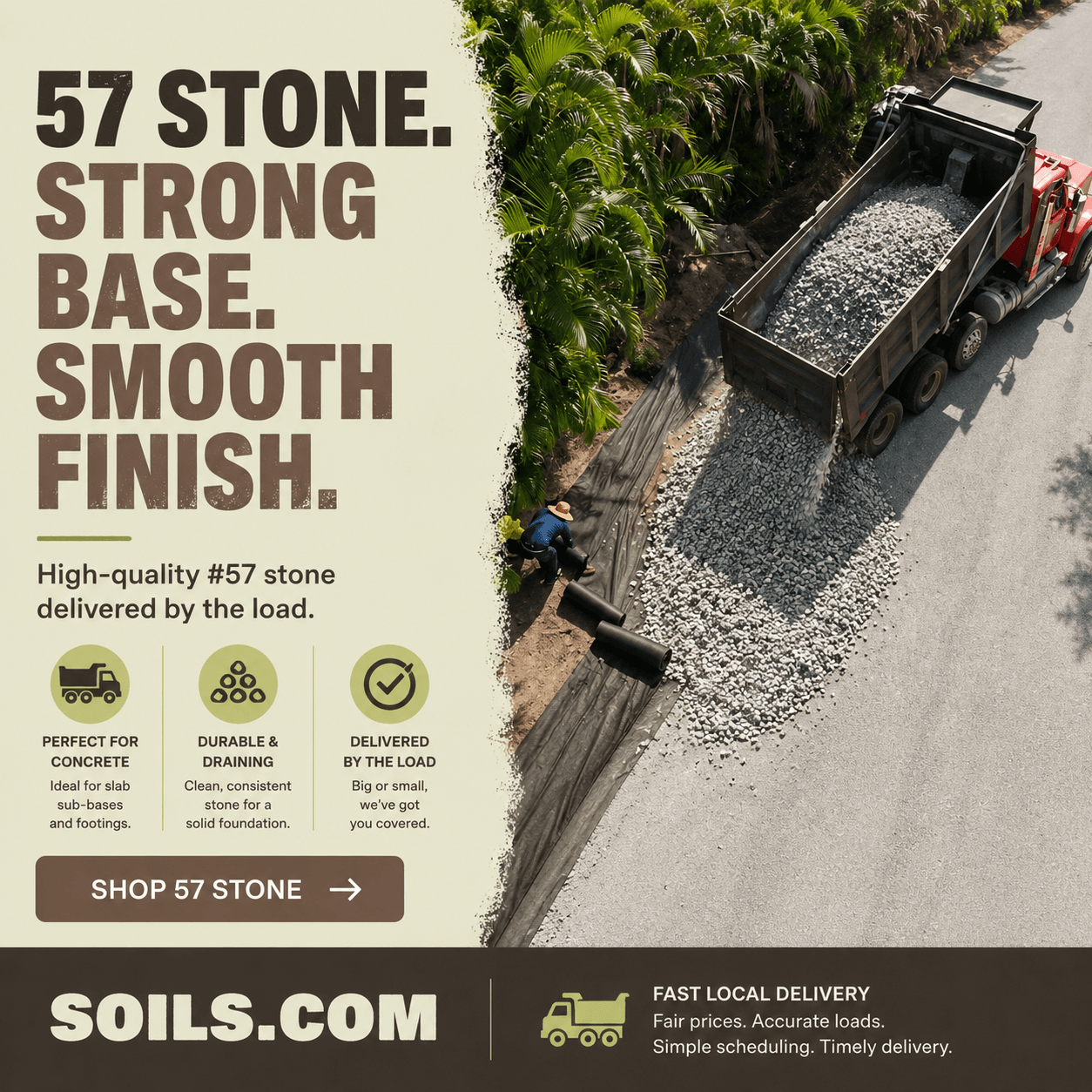
57 Limestone
A versatile crushed stone commonly used for driveways, road base, drainage systems, parking areas, and hardscape projects.
View Product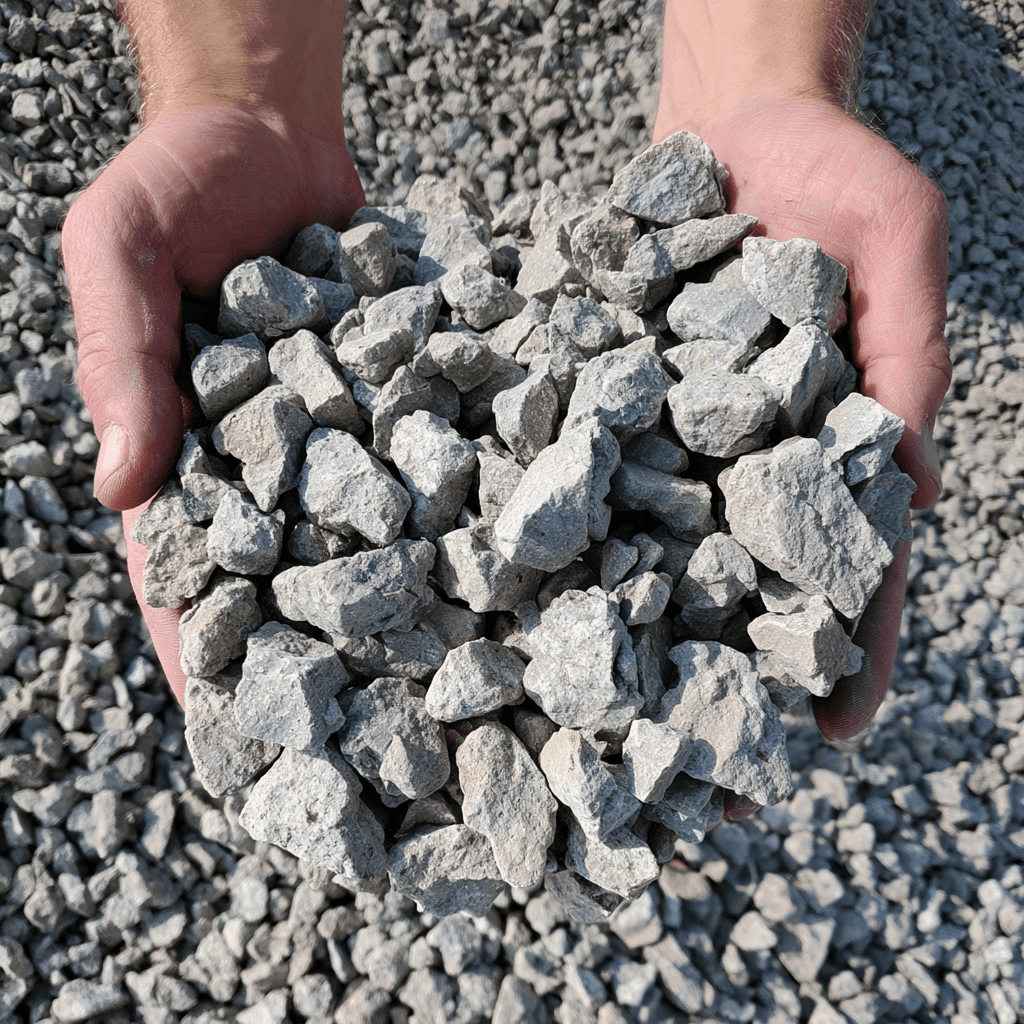
Recycled 57 Concrete
A sustainable alternative to traditional limestone that's commonly used for drainage, road base, parking areas, and general construction projects.
View Product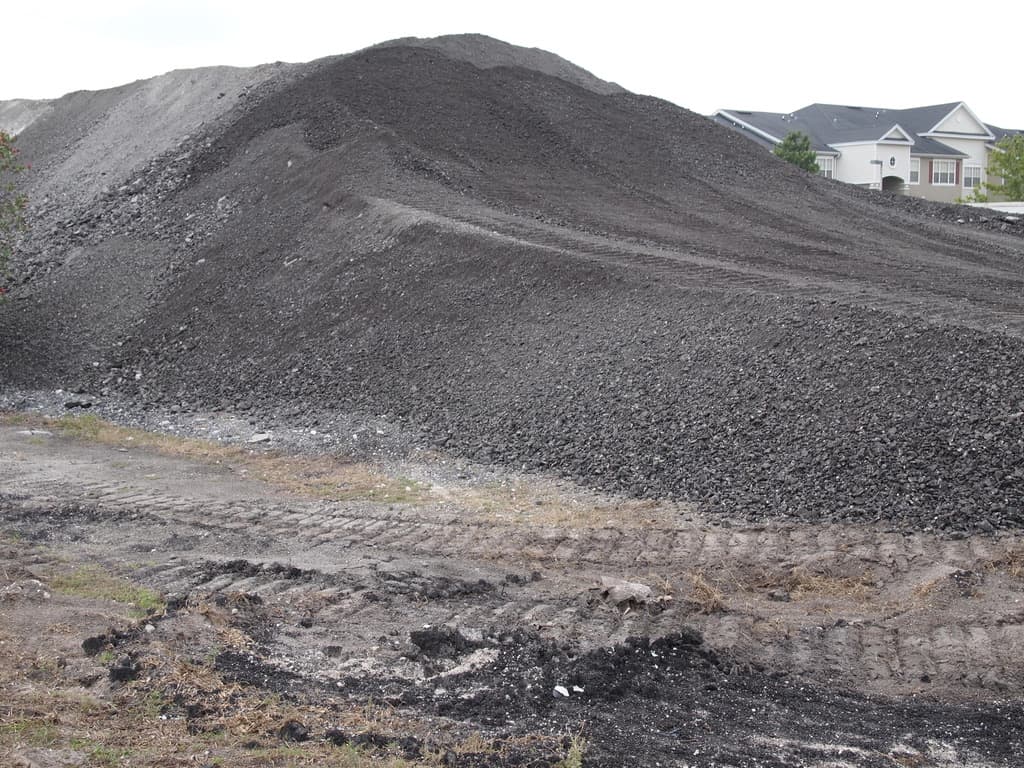
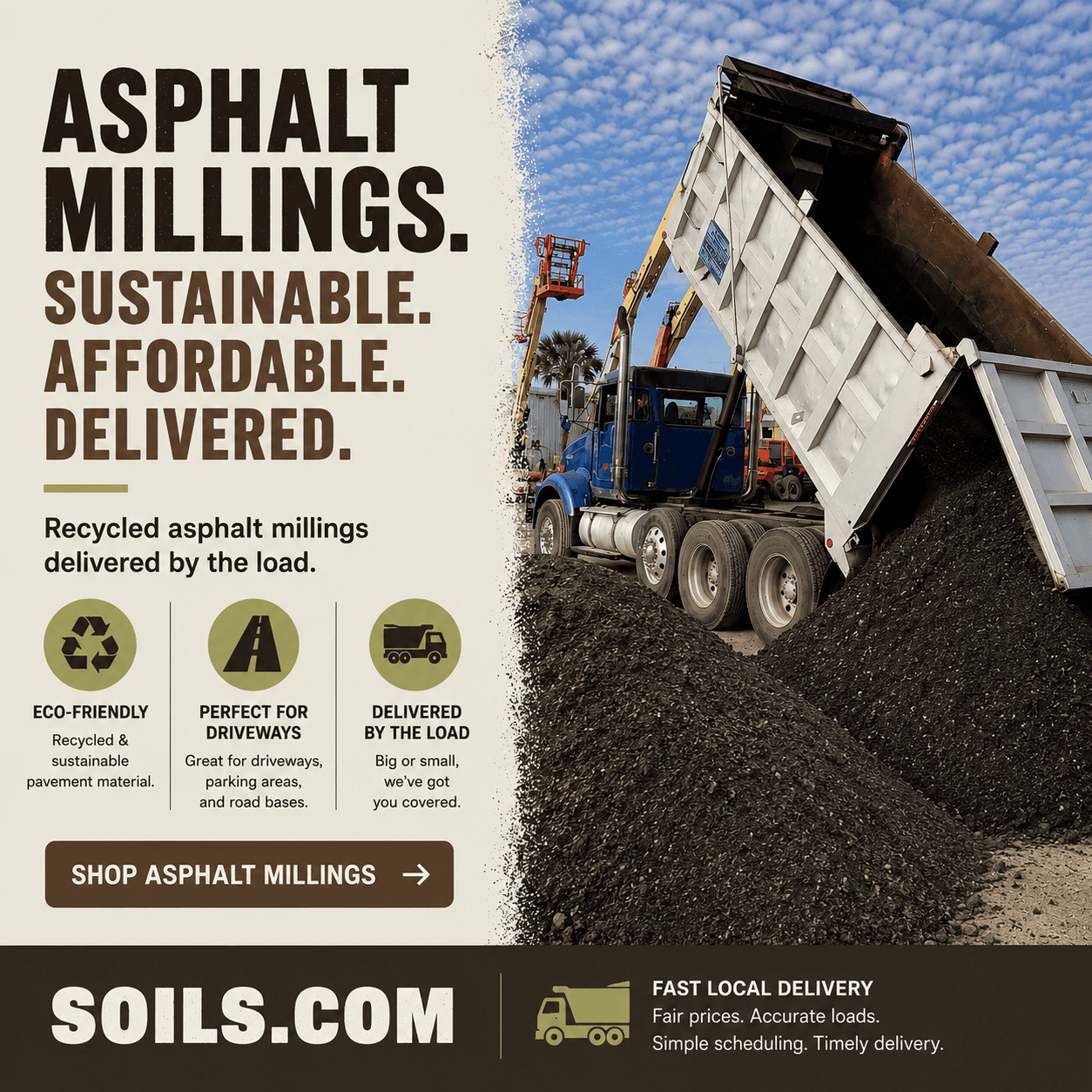
Crushed Asphalt Millings
An affordable, recycled paving material that compacts into a durable surface for driveways, private roads, parking areas, and equipment yards.
View ProductReady to Start Your Sitework Project?
Whether you're grading a property, preparing road base, backfilling, or planning a larger construction site, Soils.com makes it easy to estimate quantities, compare materials, and view delivered pricing before ordering.
Start a Project Quote →