
How Much Fill Dirt Do I Need?
Fill dirt is generally estimated by determining the volume of the area that needs to be filled, usually expressed in cubic yards.
Table of Contents
- TL;DR — How Much Fill Dirt Do You Need?
- How to Calculate How Much Fill Dirt You Need
- Fill Dirt Calculation Formula
- Estimating Fill Dirt for Uneven or Sloped Areas
- How Much Fill Dirt Do You Need for Grading and Leveling?
- How Much Fill Dirt Do You Need to Fill Low Areas?
- How Much Fill Dirt Do You Need for Backfill?
- Does Compaction Affect How Much Fill Dirt You Need?
- Should You Order Extra Fill Dirt?
- Fill Dirt vs. Topsoil: Calculate Them Separately
- How to Estimate Fill Dirt Before Ordering
- Frequently Asked Questions About Fill Dirt Quantity
- Estimate Your Fill Dirt Quantity
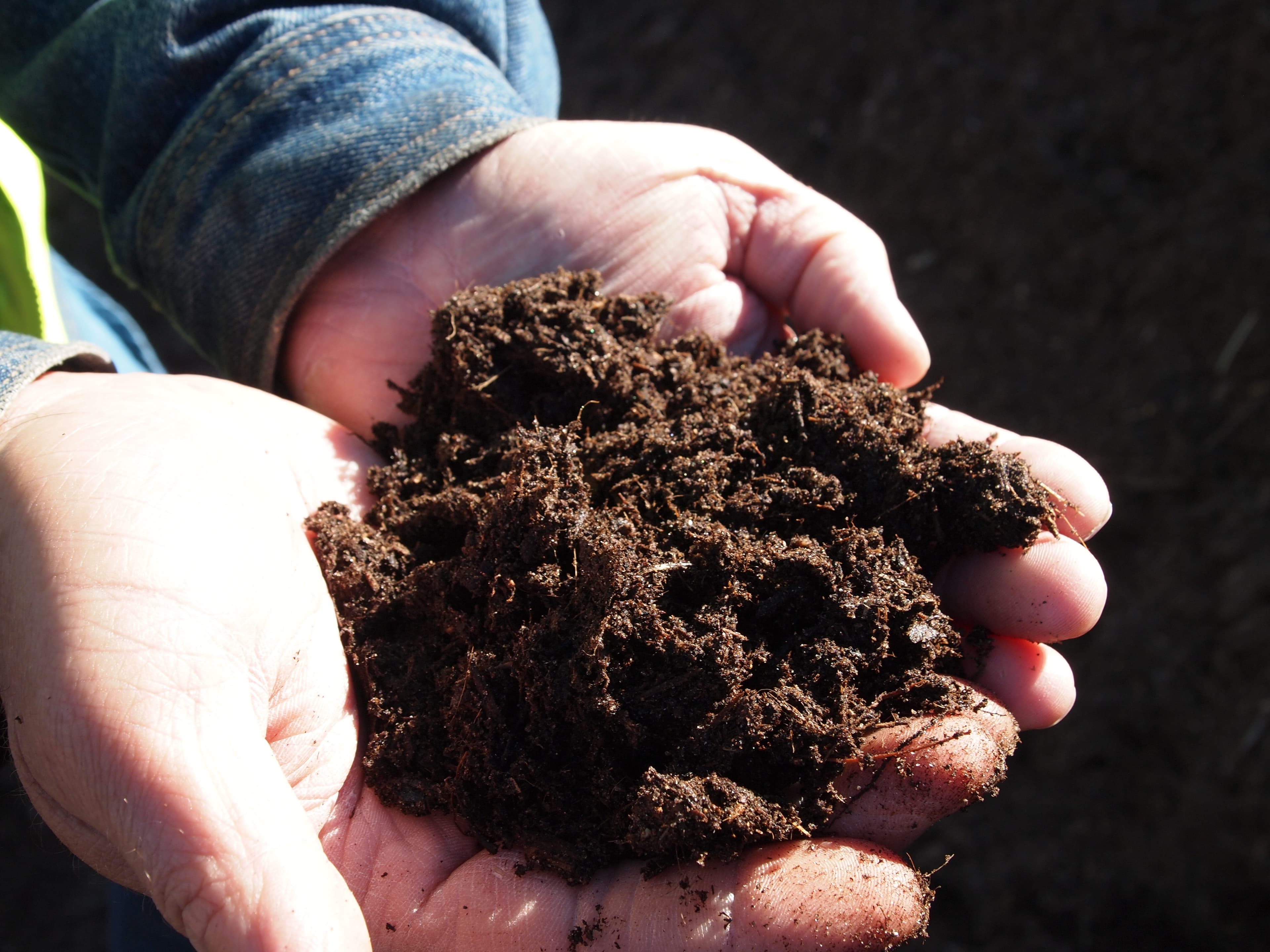
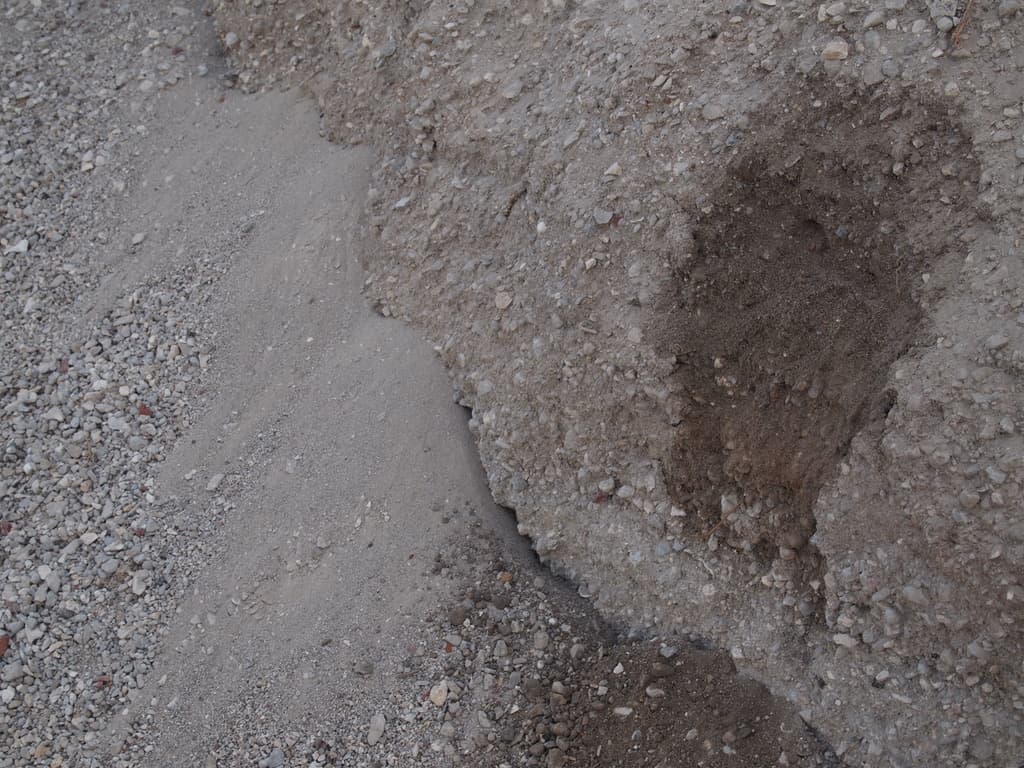
Fill dirt is generally estimated by determining the volume of the area that needs to be filled, usually expressed in cubic yards. If you're still determining whether it's the appropriate material for your project, our guide to what fill dirt is and how it's used covers the material and its common applications.
The basic concept is straightforward — area × average fill depth = volume — but real-world fill projects aren't always perfectly uniform. Slopes, depressions, changing elevations, compaction, and irregular areas can all affect the amount ultimately required.
Once you have a rough sense of your project's dimensions, the Fill Dirt Calculator can help estimate cubic yards quickly.
TL;DR — How Much Fill Dirt Do You Need?
- Measure the length and width of the area.
- Determine the average depth that needs to be filled.
- Convert the resulting volume to cubic yards (1 cubic yard = 27 cubic feet).
- Account for site conditions, irregular grades, and potential settlement or compaction rather than assuming the calculated volume will always equal the final amount ordered.
How to Calculate How Much Fill Dirt You Need
Step 1: Measure the Area Multiply length by width. Example: 20 ft × 30 ft = 600 sq. ft.
Step 2: Determine the Fill Depth Convert your intended depth from inches to feet — for example, 6 inches = 0.5 feet. This should be the depth that actually needs to be added, not simply the project's desired final elevation without accounting for what's already there.
Step 3: Calculate Cubic Feet 600 sq. ft. × 0.5 ft = 300 cubic feet.
Step 4: Convert Cubic Feet to Cubic Yards 300 ÷ 27 ≈ 11.1 cubic yards.
From here, the Fill Dirt Calculator can handle the conversion automatically once you enter your project dimensions.
Fill Dirt Calculation Formula
Length (ft) × Width (ft) × Depth (ft) ÷ 27 = Cubic Yards
Remember to convert your depth from inches to feet before multiplying:
| Fill Depth | Feet |
|---|---|
| 2 inches | 0.167 ft |
| 3 inches | 0.25 ft |
| 4 inches | 0.333 ft |
| 6 inches | 0.5 ft |
| 9 inches | 0.75 ft |
| 12 inches | 1 ft |
Estimating Fill Dirt for Uneven or Sloped Areas
Fill depth often isn't consistent across a site. If you use the maximum depth found anywhere on the property as your estimate for the entire area, you can substantially overestimate the material needed.
Instead, it's usually more accurate to estimate an average fill depth across the site. For complex grades, large slopes, engineered sites, or projects where final elevations matter precisely, basic homeowner-level calculations may not be sufficient, and a more detailed site evaluation may be worthwhile.
Pro Tip Measure the required fill depth at several points across an uneven area to develop a more representative average rather than assuming the deepest point applies to the entire project.
How Much Fill Dirt Do You Need for Grading and Leveling?
Grading quantities depend on the difference between the existing grade and the desired final grade. Not every grading project involves simply adding dirt evenly across the property — some involve redistributing existing material, adding fill selectively in certain areas, or establishing different elevations across the site. See our guide to fill dirt for grading and leveling for more on how these projects typically work.
How Much Fill Dirt Do You Need to Fill Low Areas?
Depressions, settling, and generally uneven yards are common reasons people look into fill dirt quantities. Before filling a low area, it's worth considering why the depression exists and how changing the elevation could affect drainage and water movement across the property — adding fill isn't automatically the right fix for standing water. See our guide on filling low areas in a yard for a closer look.
How Much Fill Dirt Do You Need for Backfill?
The volume of the space being backfilled is the starting point, but backfill projects can get more complicated than they first appear. Existing structures occupy volume, trenches may vary in width and depth along their length, material specifications may apply, and placement or compaction requirements can affect how much material is actually needed. Generic fill dirt isn't automatically appropriate for every backfill application — see our guide to fill dirt for backfill for more detail.
Does Compaction Affect How Much Fill Dirt You Need?
Yes, to some degree. Loose material can settle or become denser after placement and compaction, so the delivered loose volume isn't necessarily identical to the final compacted volume.
There's no universal percentage to apply here, though — different materials, moisture conditions, placement methods, and project specifications can all produce different results. For structural or engineered applications, required quantities should follow the project's actual specifications rather than a generic rule of thumb.
Should You Order Extra Fill Dirt?
Potentially, but there's no single overage percentage that fits every project. Calculated volume and actual requirements can differ because of uneven terrain, measurement error, variable depths, settlement, compaction, site conditions, and changes made during grading. For simple landscaping work, a small planning allowance may sometimes make sense — but the right amount depends on your project and how precise your measurements are, not a fixed rule.
Fill Dirt vs. Topsoil: Calculate Them Separately
A project that requires both materials shouldn't treat them as one combined soil quantity. Fill dirt may establish the underlying grade, while topsoil provides the final growing layer. Calculate the required depth and volume of each material separately rather than estimating one combined figure. See our guide to topsoil vs. fill dirt for more on how the two materials work together.
How to Estimate Fill Dirt Before Ordering
- Define the area being filled
- Measure length and width
- Determine existing and desired elevations
- Estimate the average required fill depth
- Calculate cubic yards
- Consider irregular areas and project-specific compaction or settlement
- Confirm whether fill dirt is actually the appropriate material for the application
From there, the Fill Dirt Calculator can help estimate your quantity, while our fill dirt product page lets you explore material and delivery options.
Frequently Asked Questions About Fill Dirt Quantity
How many cubic feet are in a cubic yard of fill dirt?
27 cubic feet.
How many yards of fill dirt do I need?
It depends on the area you're filling and the average depth required. Use the formula above, or enter your project dimensions into the Fill Dirt Calculator for a faster estimate.
How do I calculate fill dirt for an uneven area?
Take multiple measurements across the site to estimate an average depth rather than relying on a single measurement. Complex grading projects may require more precise site measurements or professional evaluation.
Does fill dirt settle after delivery?
Yes, placed material can settle or become denser through compaction, but the amount varies by material and project conditions.
Should I order extra fill dirt for compaction?
There isn't one universal percentage. The right amount depends on the material, project type, and whether the work is ordinary landscaping or engineered/structural in nature.
Estimate Your Fill Dirt Quantity
Use the Fill Dirt Calculator to estimate how many cubic yards your project may require. When you're ready to order, explore fill dirt for bulk delivery to your location.