Drainage Guides
Poor drainage can lead to standing water, erosion, foundation issues, and damaged landscapes. Our drainage guides help homeowners, contractors, and landscapers choose the right materials, estimate quantities, and plan effective drainage solutions for residential and commercial projects.
Browse expert guides covering drainage materials, French drains, grading, installation tips, calculators, and bulk delivery to help you solve drainage problems with confidence.
What You'll Learn
Start Here
Start with the essential guides to understand, compare, and choose the right drainage material for your project.
Planning Tools & Resources
Use these tools and resources to estimate material quantities, calculate project volume, understand pricing, and plan your drainage project before ordering.
Browse by Topic
Explore Related Guides
Improve your understanding of the materials and project planning techniques commonly used for drainage systems and water management projects.
Aggregate Guide
Learn how crushed stone and aggregate materials are used for drainage systems, road base, construction, and other projects that require strength and proper water flow.
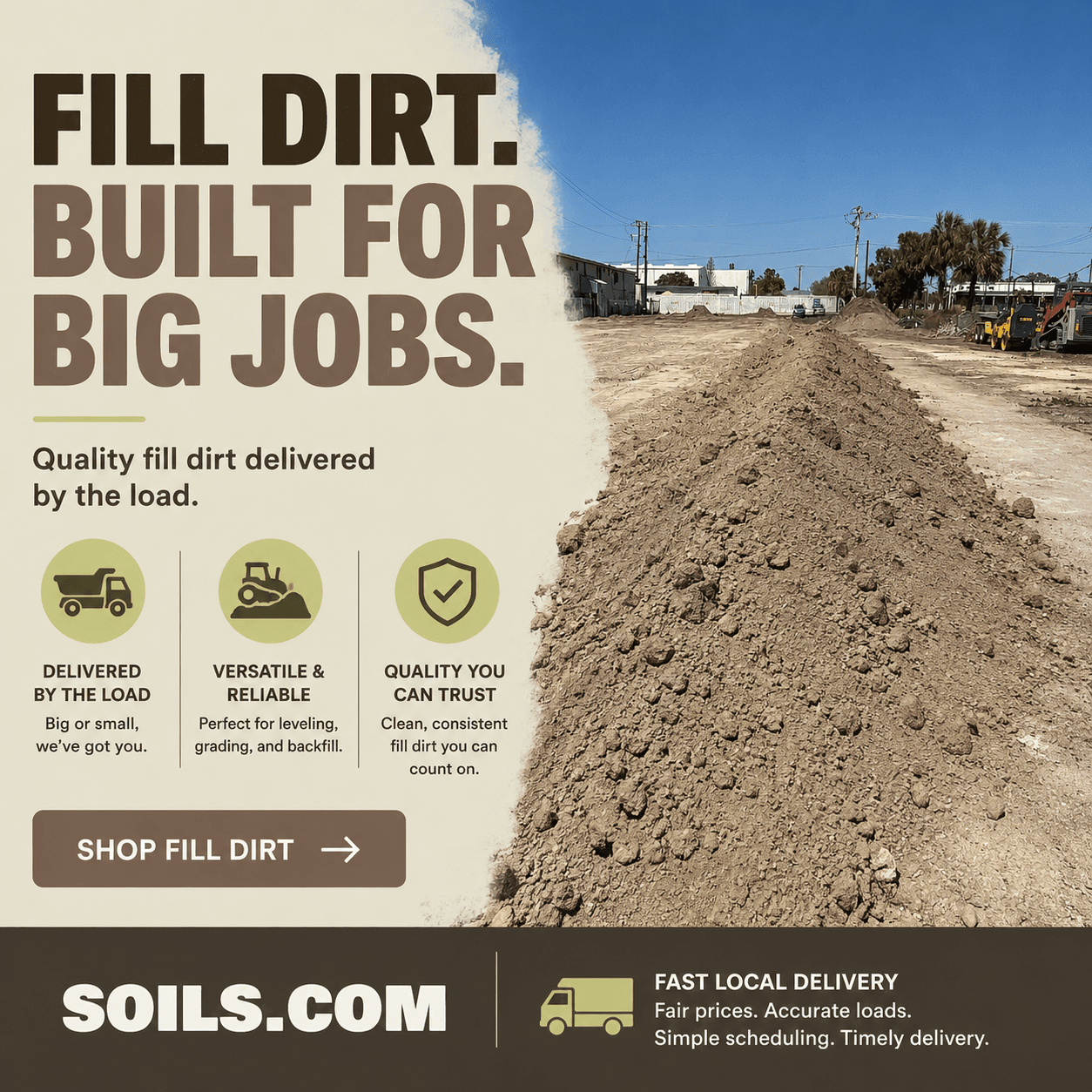
Fill Dirt Guide
Discover when to use fill dirt for grading, leveling, backfill, and reshaping your property to improve drainage and direct water away from structures.
Landscaping Guide
Explore landscaping techniques, material selection, and project planning to create attractive outdoor spaces while improving drainage and long-term performance.
Construction & Sitework Guide
Learn about site preparation, grading, erosion control, drainage planning, and the bulk materials commonly used for construction and land development projects.
Drainage FAQs
Find answers to some of the most common questions about choosing, estimating, and ordering drainage materials.
What is the best material for drainage?
What materials are commonly used for a French drain?
How much drainage stone do I need?
Can fill dirt improve drainage?
What's the difference between drainage stone and fill dirt?
Shop Materials for This Project
Many drainage projects require more than one bulk material. Browse these commonly used products to compare options and view delivered pricing before ordering.
Recommended products:
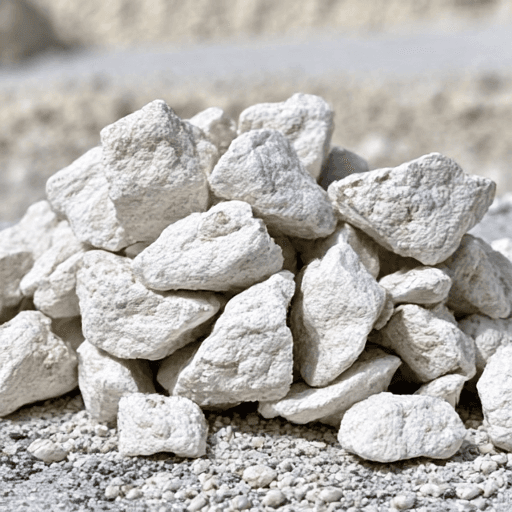
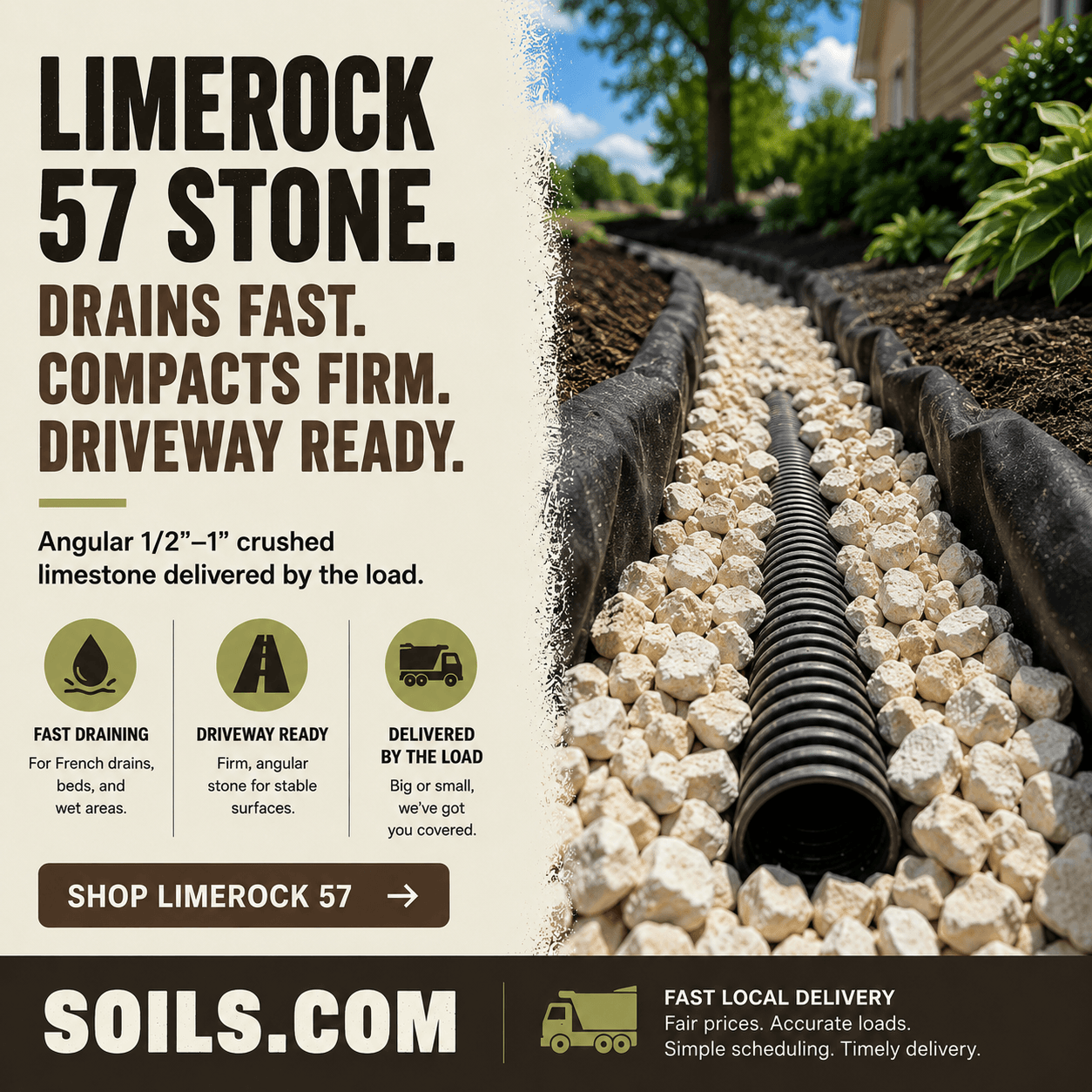
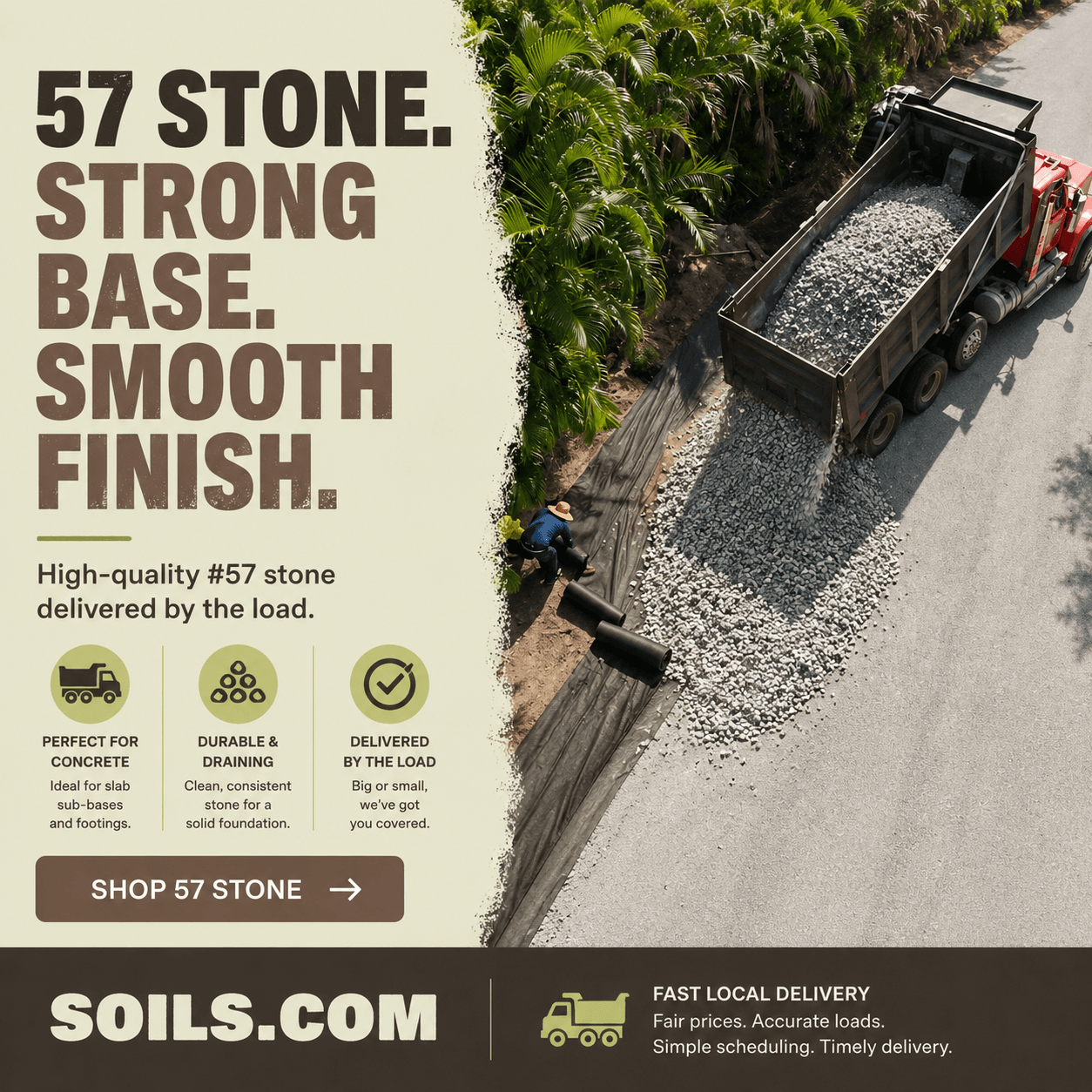
57 Limestone
A free-draining crushed stone commonly used for French drains, trench drains, retaining wall backfill, and other drainage applications.
View Product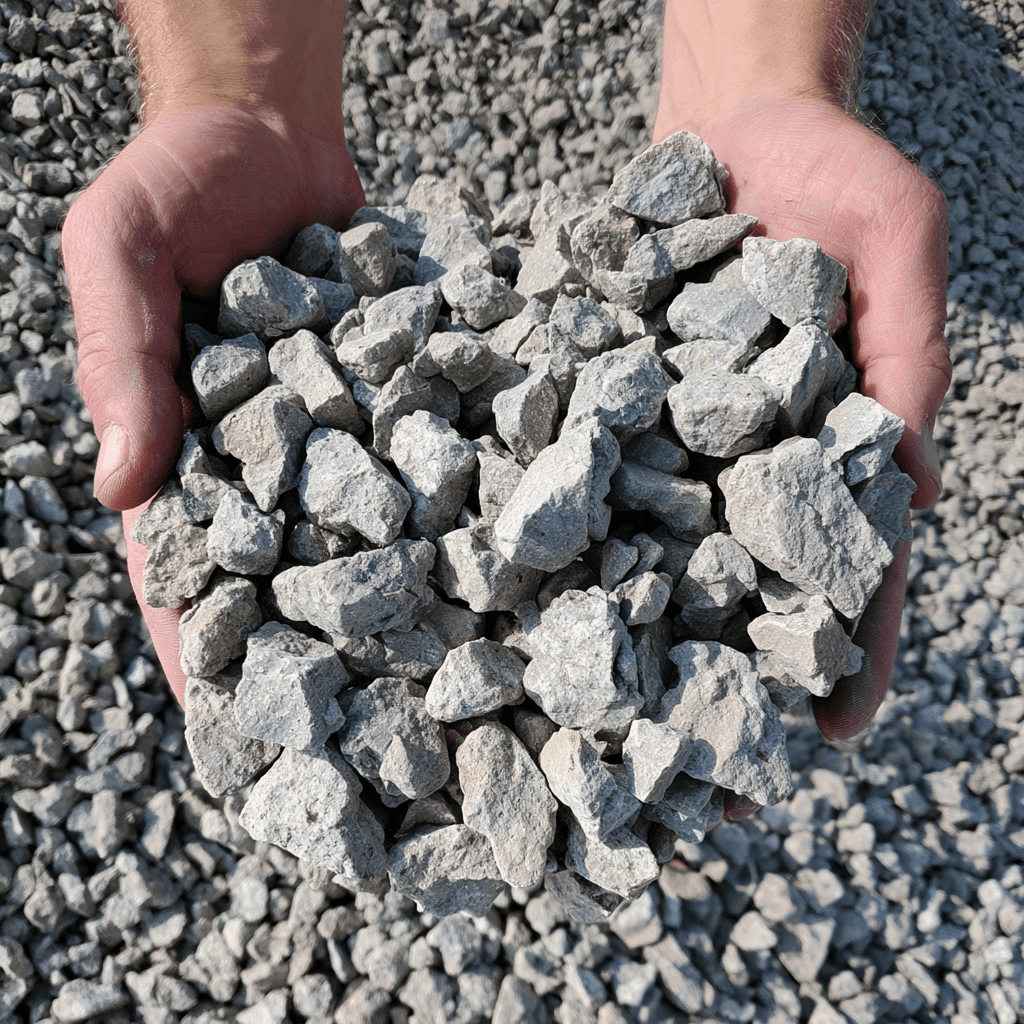
Recycled 57 Concrete
A recycled drainage stone that provides excellent water flow for French drains, drainage trenches, retaining walls, and general site drainage projects.
View Product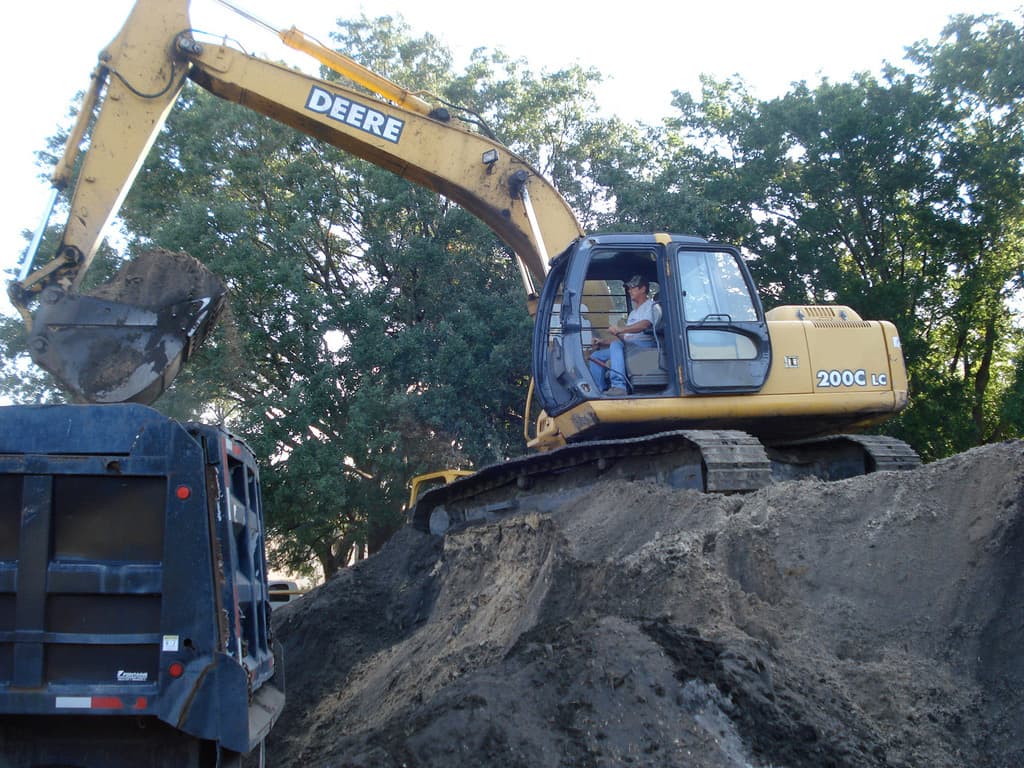
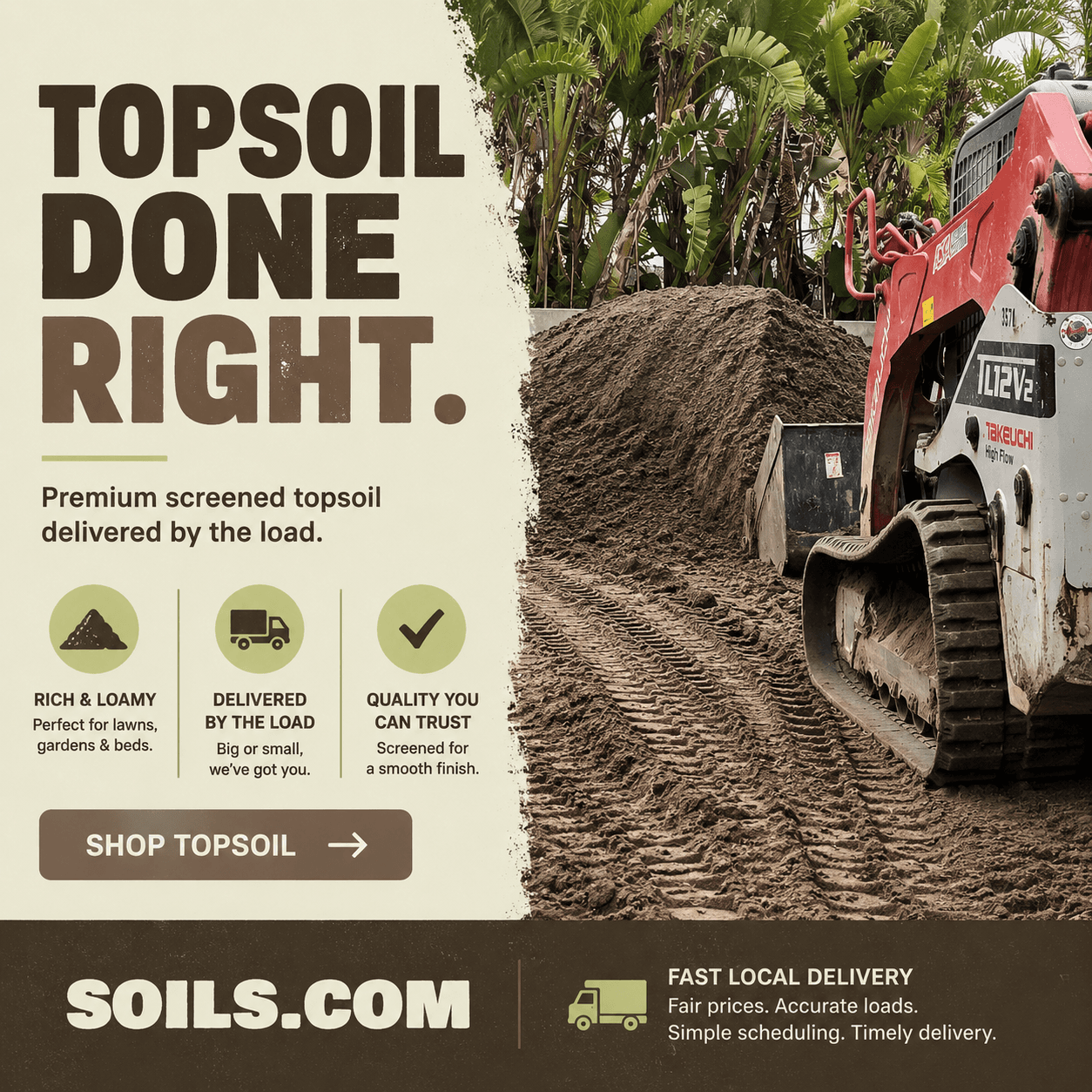
Fill Dirt
Used to reshape grades, fill low areas, and direct water away from buildings before completing landscaping or drainage improvements.
View Product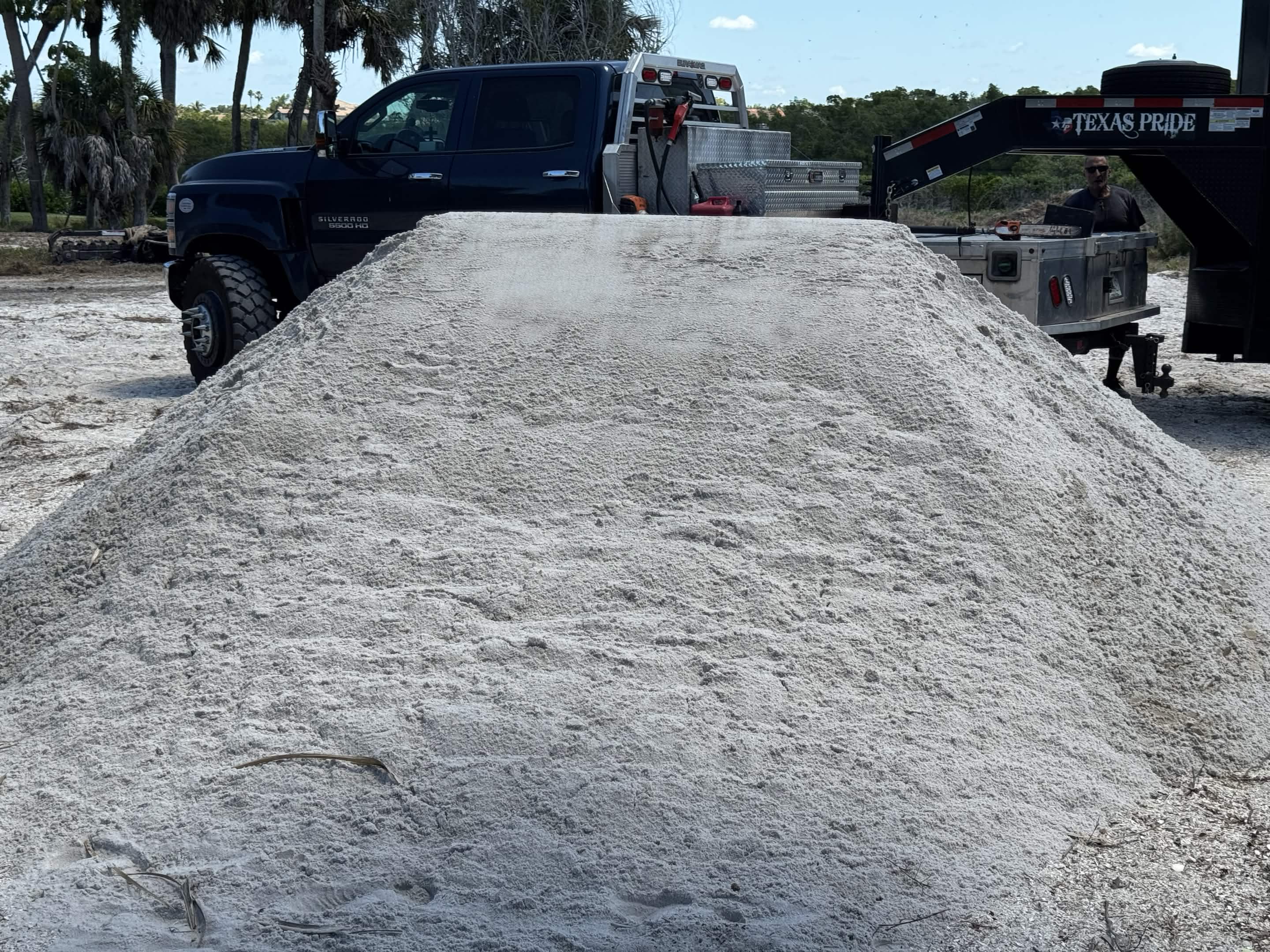
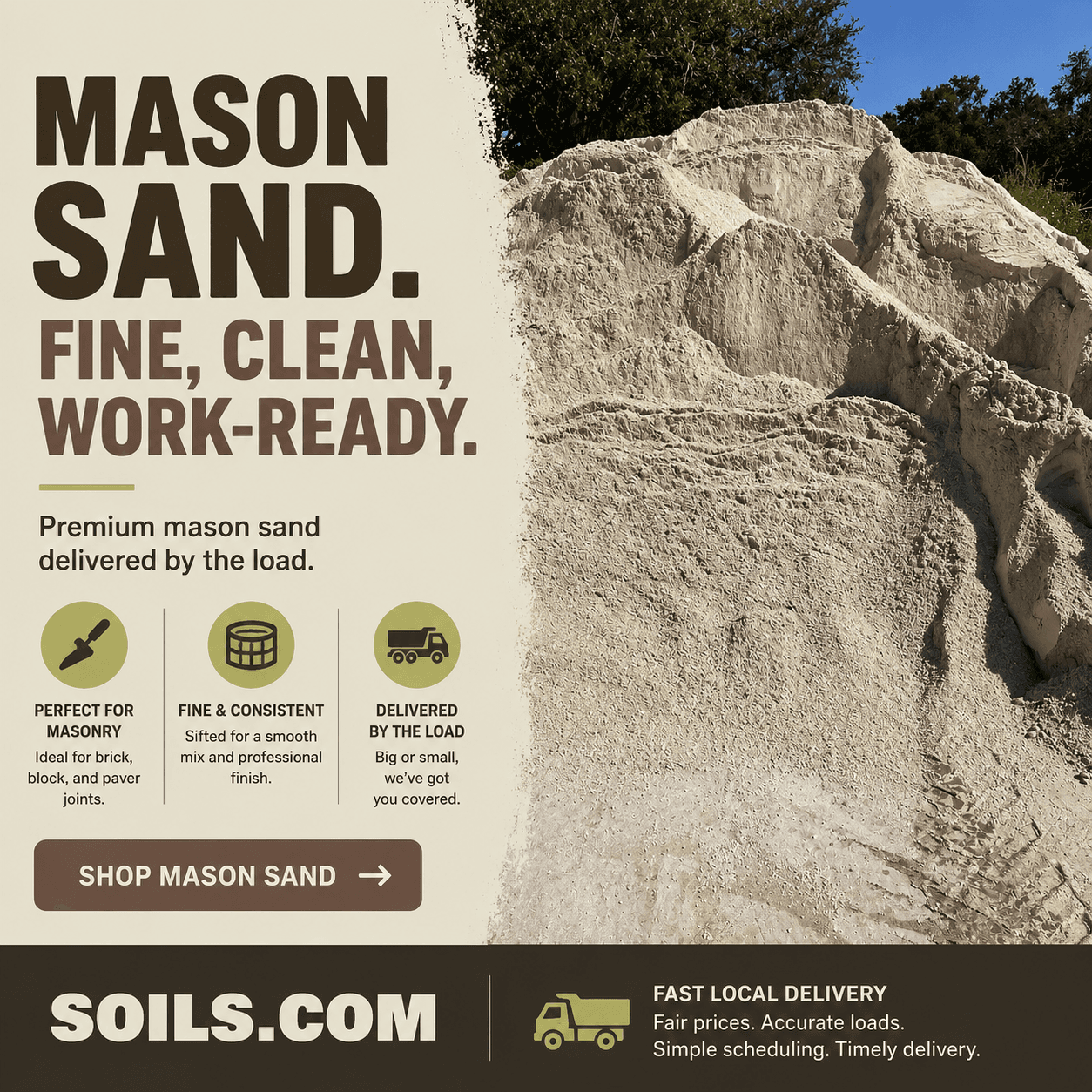
Mason Sand
A finely screened sand commonly used for leveling, pipe bedding, and other drainage-related construction and hardscape applications.
View ProductReady to Start Your Drainage Project?
Whether you're installing a French drain, improving site drainage, correcting grading issues, or managing stormwater runoff, Soils.com makes it easy to estimate material quantities, compare drainage materials, and view delivered pricing before ordering. Use our Cubic Yard Calculator to estimate your project, then enter your delivery ZIP code below to get started.
Start a Project Quote →