How Deep Should Topsoil Be?
How deep topsoil should be depends on what you're using it for and the condition of the existing soil.
Table of Contents
- TL;DR - Choosing the Right Topsoil Depth
- What Determines How Deep Topsoil Should Be?
- How Deep Should Topsoil Be for an Existing Lawn?
- How Deep Should Topsoil Be for a New Lawn?
- How Deep Should Topsoil Be for Sod?
- How Deep Should Topsoil Be for Gardens and Planting Beds?
- How Deep Should Topsoil Be for Raised Beds?
- How Deep Should Topsoil Be Over Fill Dirt?
- Does More Topsoil Mean Better Results?
- How Topsoil Depth Affects How Much You Need
- How to Choose a Topsoil Depth Before Ordering
- Topsoil Depth FAQs
- Ready to Calculate Your Topsoil?
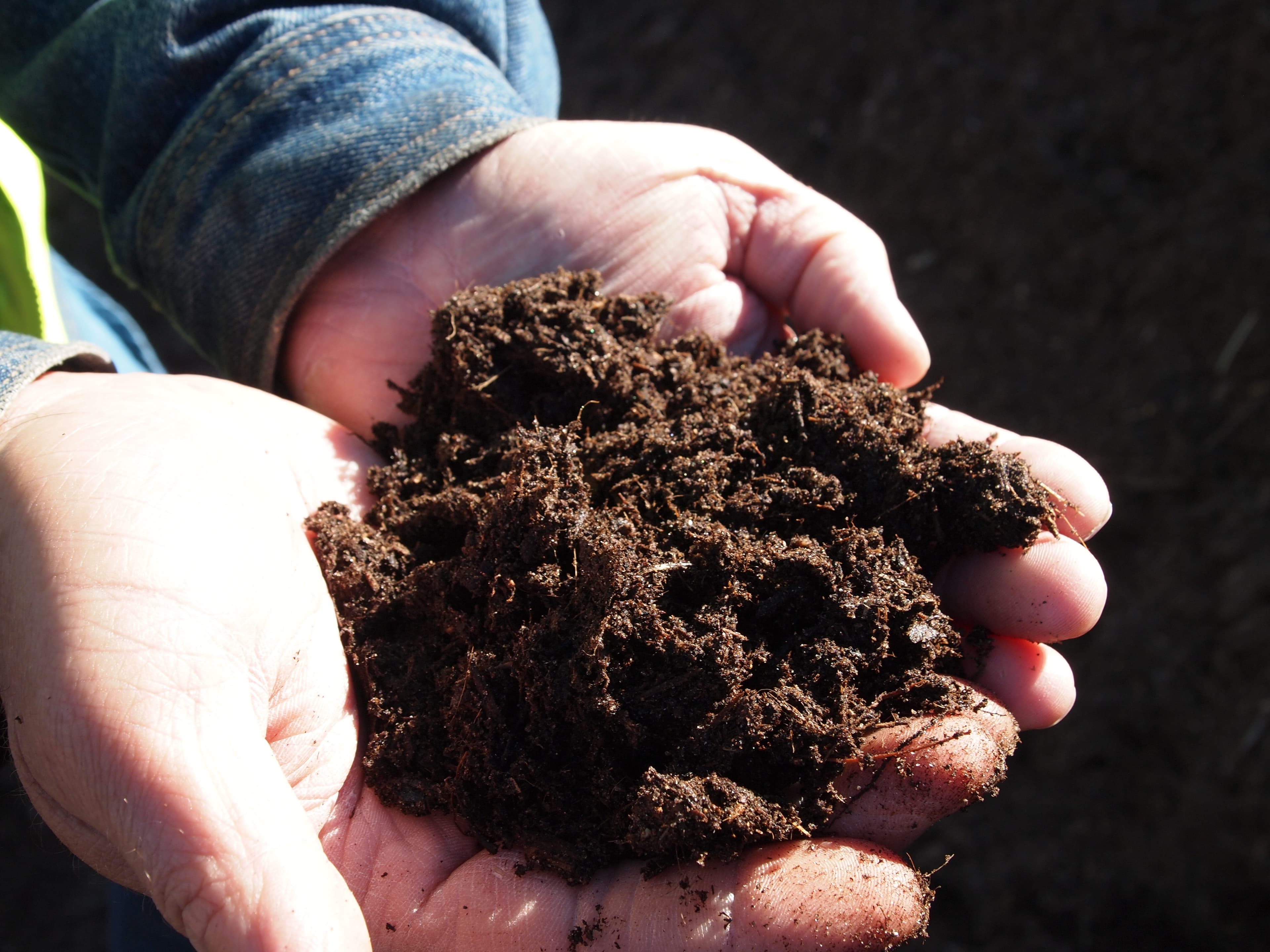
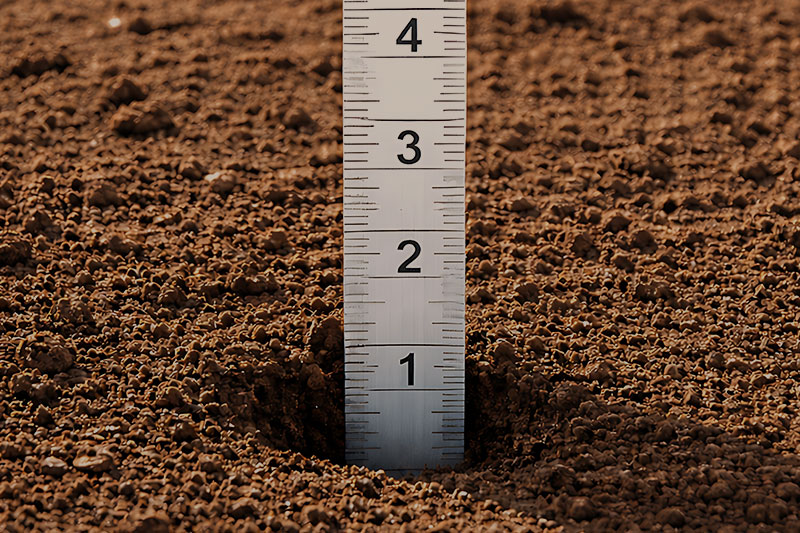
How deep topsoil should be depends on what you're using it for and the condition of the existing soil. A light topdressing over an established lawn may require only a shallow layer, while establishing a new lawn, preparing for sod, or creating a planting bed can require considerably more growing soil.
Before ordering topsoil, evaluate the existing soil, determine the finished grade, and decide how much growing depth the project actually requires. Once you've chosen a depth, you can calculate the amount of topsoil needed based on the size of the area.
TL;DR - Choosing the Right Topsoil Depth
- There is no single topsoil depth that's appropriate for every project.
- Existing lawns generally use shallower applications than new lawns, sod installations, gardens, or planting areas.
- Existing soil quality, drainage, root requirements, and finished grade can all influence how much topsoil is appropriate.
- Increasing topsoil depth significantly increases the total volume required, so determine depth before calculating how much to order.
What Determines How Deep Topsoil Should Be?
Before landing on a number, it helps to understand what actually drives the decision:
- Existing soil condition - quality, compaction, and depth of what's already there
- Intended vegetation - grass, sod, garden plants, or shrubs all have different needs
- Existing and finished grade - where the ground is now versus where it needs to end up
- Drainage - how water moves through the site
- Rooting requirements - how deep roots need workable soil to establish
- Whether you're improving existing soil or building an entirely new growing layer
- Whether fill dirt has already established the underlying grade
For more on what topsoil is made of and how it's typically used, see our guide to what topsoil is.
How Deep Should Topsoil Be for an Existing Lawn?
For an established lawn, topsoil used for topdressing is generally applied in a relatively thin layer, often around 1/4 to 1/2 inch at a time. This can help with minor leveling, filling small depressions, and surface improvement without burying the existing grass. Light lawn topdressing is often measured in fractions of an inch rather than several inches.
That said, if the existing lawn needs substantial elevation correction, that's a different project entirely - not simply a topdressing question, and it likely calls for a more significant depth of material or a layered approach.
How Deep Should Topsoil Be for a New Lawn?
For new lawns, a suitable growing layer is often several inches deep, with roughly 4 to 6 inches of workable soil commonly used as a general planning range. However, that doesn't necessarily mean you need to add 4 to 6 inches of new topsoil. Existing suitable soil contributes to the total growing layer.
Factors to weigh include the existing soil, root development needs, the final elevation you're targeting, drainage, and how much soil preparation the site needs before planting. Imported topsoil is one part of a successful new lawn - it isn't the only factor that determines whether grass establishes well.
How Deep Should Topsoil Be for Sod?
Sod generally performs best over several inches of properly prepared, workable soil. A 4- to 6-inch growing zone can be a useful general planning reference, but the amount of new topsoil you need to add depends on the quality and depth of the soil already present.
This is an important distinction: required growing-soil depth isn't the same as required depth of newly purchased topsoil. Someone who already has several inches of suitable soil on-site doesn't necessarily need to purchase and add that same depth again - they may only need enough to correct or supplement what's already there.
How Deep Should Topsoil Be for Gardens and Planting Beds?
Many garden and planting applications benefit from a deeper workable soil zone than lawns, often 6 to 12 inches or more depending on the plants. Relevant variables include the type of plants, their root depth, the existing soil, drainage, how the bed is constructed, and whether existing soil is being amended or fully replaced. Vegetables, flowers, shrubs, and trees don't all have identical soil-depth requirements, so it's worth considering the specific plants going into the bed.
How Deep Should Topsoil Be for Raised Beds?
Raised beds are worth calling out separately, with one important distinction: raised-bed growing media isn't necessarily the same thing as bulk landscape topsoil.
Consider the total bed depth, the existing ground beneath the bed, the requirements of what you're planting, the soil or blend you're selecting, and drainage. Not every raised bed needs to be filled entirely with generic bulk topsoil — many are filled with a blend suited to the specific plants and bed design. For more detailed guidance, see our guide to choosing topsoil for gardens and raised beds, including what to consider when selecting soil and planning the growing layer.
How Deep Should Topsoil Be Over Fill Dirt?
Many projects that need significant elevation change follow a layered approach:
Fill dirt can establish the underlying elevation while topsoil provides the final growing layer. The appropriate topsoil depth in this scenario depends on what will be planted and the site conditions - not simply on how much fill dirt is underneath. For a full breakdown of when each material makes sense, see our guide to topsoil vs. fill dirt.
Does More Topsoil Mean Better Results?
Not necessarily. More material doesn't automatically improve a project. Too much added depth can alter finished elevations, affect drainage, raise soil against structures, create awkward transitions to sidewalks or driveways, and increase project cost unnecessarily.
The objective is an appropriate growing layer and a workable finished grade - not maximizing soil depth for its own sake.
How Topsoil Depth Affects How Much You Need
For the same area, doubling the depth doubles the volume of material required:
| Area | 2" Deep | 4" Deep | 6" Deep |
|---|---|---|---|
| 1,000 sq. ft. | 6.2 yd³ | 12.3 yd³ | 18.5 yd³ |
Once you've determined an appropriate depth for your project, see our guide on how much topsoil you need to estimate your project quantity, or head straight to the Topsoil Calculator to estimate cubic yards based on your project dimensions.
How to Choose a Topsoil Depth Before Ordering
- Identify the project's purpose
- Evaluate the existing soil
- Determine whether elevation needs to change
- Determine whether fill dirt is needed first
- Establish the desired growing layer
- Measure the project area
- Calculate the required topsoil volume
Topsoil Depth FAQs
How many inches of topsoil do I need for grass?
A growing layer of roughly 4 to 6 inches of suitable soil is a useful general planning range for establishing a lawn, but that doesn't mean you always need to add 4 to 6 inches of new topsoil. Existing soil quality and depth, drainage, grading, and the type of lawn project all affect how much additional topsoil is needed.
How much topsoil should I put under sod?
Sod needs properly prepared soil underneath it, but how much new topsoil must be added depends on what's already present on the site.
Can you put topsoil directly over fill dirt?
Yes, where appropriate. Fill dirt can establish grade and topsoil can create the final growing layer, provided the overall site and drainage conditions are suitable.
Can you put too much topsoil down?
Yes. Excessive depth can unnecessarily change grade, affect drainage and transitions, and increase material costs. Depth should be based on the project's actual needs rather than adding as much soil as possible.
How do I calculate topsoil after choosing the depth?
Measure the area and use your selected depth to calculate the volume in cubic yards, or use the Topsoil Calculator directly.
Ready to Calculate Your Topsoil?
Once you've determined the appropriate topsoil depth for your project, use the Soils.com Topsoil Calculator to estimate how many cubic yards you'll need. Then enter your ZIP code to view available topsoil and delivered pricing for your location.