
Best Driveway Base Materials for Florida Conditions
The best driveway base material for a Florida property depends on the driveway design, existing soil, drainage, traffic, and the surface being installed above it.
Table of Contents
- TL;DR - Choosing Driveway Base Material in Florida
- What Does a Driveway Base Actually Do?
- What Makes Aggregate Suitable for Driveway Base?
- Limestone Base Materials for Florida Driveways
- Is #57 Limestone Good for Driveway Base?
- Recycled Concrete as Driveway Base
- Limestone vs. Recycled Concrete for Florida Driveways
- Florida Soil Conditions Matter Beneath the Driveway
- Driveway Base and Drainage Need to Work Together
- What About Fill Dirt Under a Driveway?
- How Deep Should a Driveway Base Be?
- How Much Driveway Base Material Do You Need?
- Ordering Driveway Base Material in Florida
- Frequently Asked Questions About Florida Driveway Base Materials
- Need Driveway Base Material Delivered in Florida?
- Explore Related Guides
The best driveway base material for a Florida property depends on the driveway design, existing soil, drainage, traffic, and the surface being installed above it. Compactable aggregate base materials are commonly used because they can create a dense, stable supporting layer when properly placed and compacted. Limestone-based materials and processed recycled concrete are common options in Florida, but the right product should be selected for the specific application rather than by material name alone.
A good driveway base isn't simply "drainage rock." Base aggregate generally needs to provide stability and compaction, while open-graded drainage aggregate is designed primarily to maintain void space for water movement - the two jobs call for different materials. For the broader, non-Florida-specific version of this topic, see our guide to choosing aggregate for a driveway base.
TL;DR - Choosing Driveway Base Material in Florida
- Driveway base material should create a stable supporting layer beneath the finished surface.
- Compactable aggregate is commonly used for driveway bases.
- Limestone-based materials and processed recycled concrete are common Florida options.
- Open drainage stone and compactable driveway base aren't automatically interchangeable.
- Existing soil, drainage, traffic, and driveway surface affect material selection.
- Proper preparation and compaction matter along with aggregate choice.
- Engineered, permitted, or specified driveways should follow project requirements rather than generic material recommendations.
What Does a Driveway Base Actually Do?
A driveway base can provide structural support beneath the surface, distribute vehicle loads, create a more stable working platform, help reduce movement or rutting when properly designed, and establish the required underlying elevation or profile. The base layer is part of a larger driveway system, though - choosing good aggregate doesn't compensate for unsuitable subgrade, poor drainage, inadequate preparation, or improper installation. All of those pieces need to work together for the driveway to actually perform well over time.
What Makes Aggregate Suitable for Driveway Base?
A useful driveway base material generally needs characteristics appropriate for supporting and distributing loads. Depending on the application, important considerations can include:
- Gradation - a distribution of particle sizes that allows the material to pack together appropriately.
- Compaction - the material should be capable of forming the required stable layer when properly placed.
- Particle durability - aggregate needs to remain suitable under expected traffic and site conditions.
- Fines - finer particles can contribute to how a base material packs and compacts, but the appropriate amount depends on the product and specification.
- Moisture and drainage conditions - the complete driveway system needs to account for water rather than relying on aggregate selection alone.
None of these characteristics exist in isolation - a product that checks one box (say, particle durability) but not the others isn't automatically the right choice for a given driveway. See our guide to what aggregates are for a broader look at the material category these products come from.
Limestone Base Materials for Florida Driveways
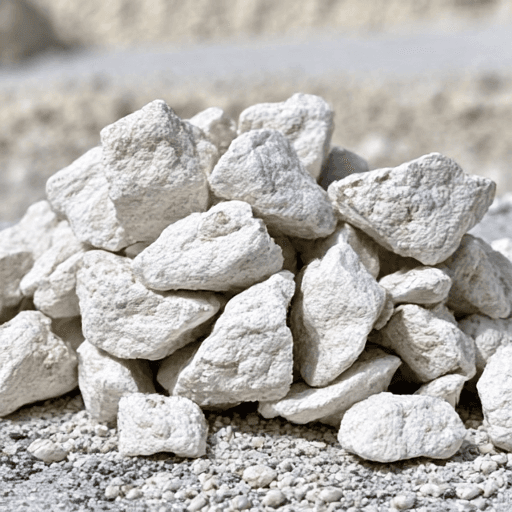
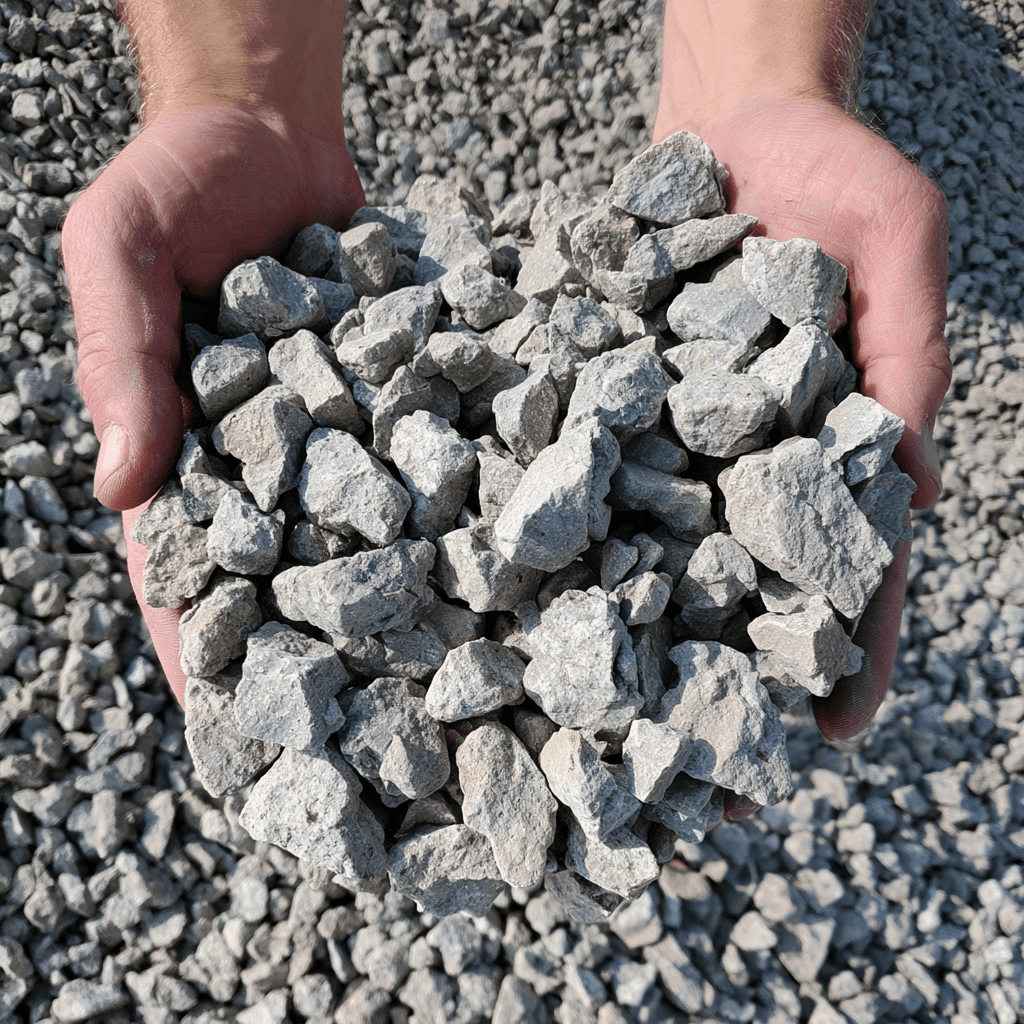
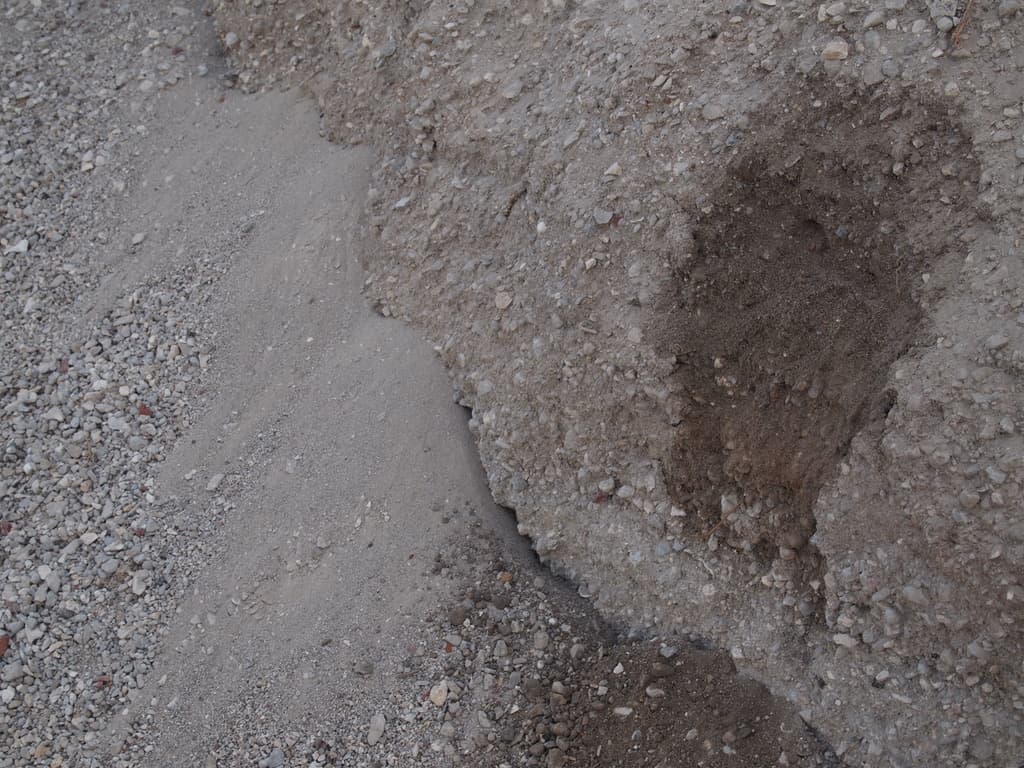
Limestone-based aggregate products are commonly used in Florida construction and driveway applications. It's worth being careful with the terminology here, though: "limestone" identifies a material source, not one standardized gradation. Different limestone products serve different purposes, and a compactable limestone base product shouldn't automatically be confused with clean #57 limestone.
A limestone product intended for compactable base construction can behave very differently from clean #57 limestone used for drainage or other applications. The fact that both products originate from limestone doesn't make them interchangeable.
Is #57 Limestone Good for Driveway Base?
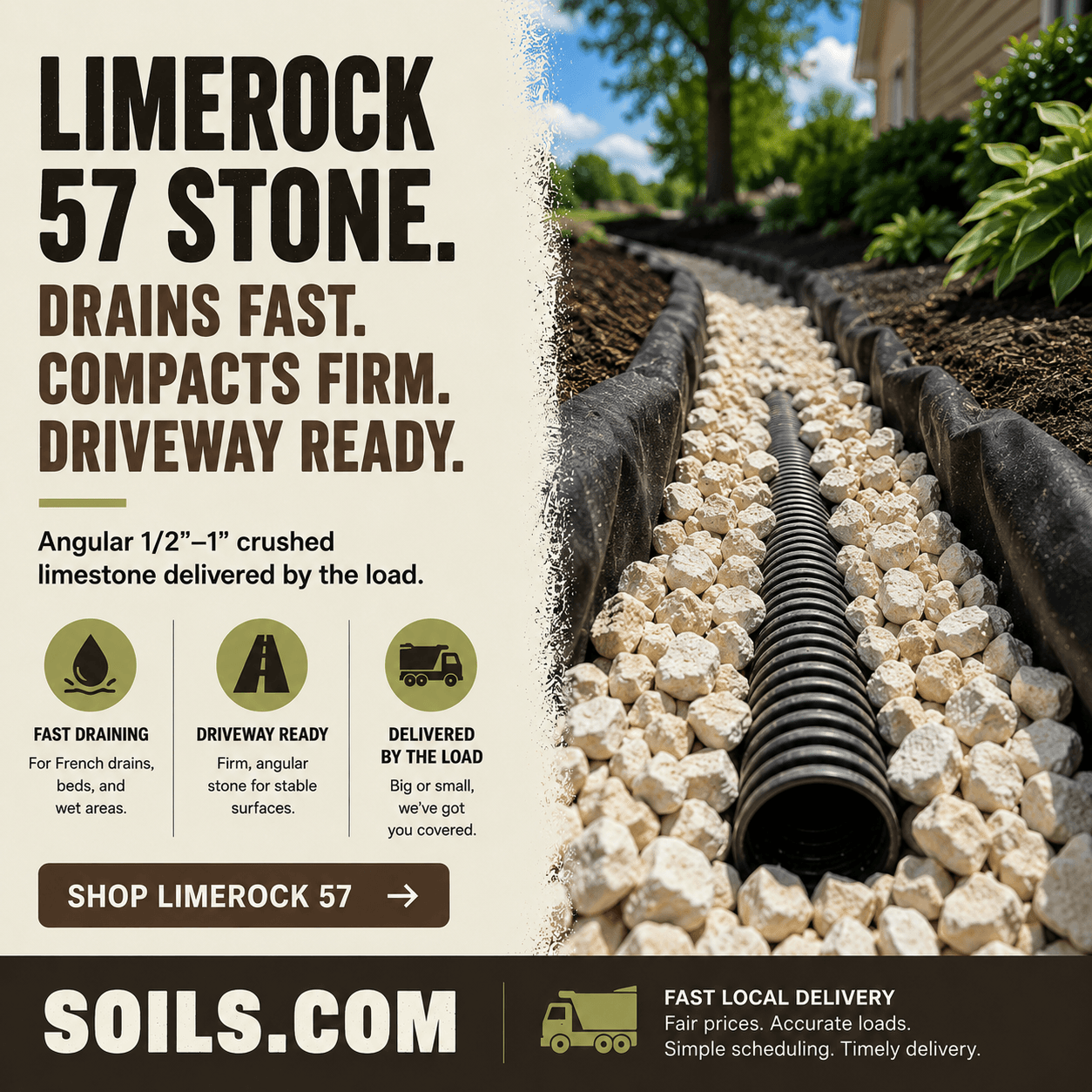
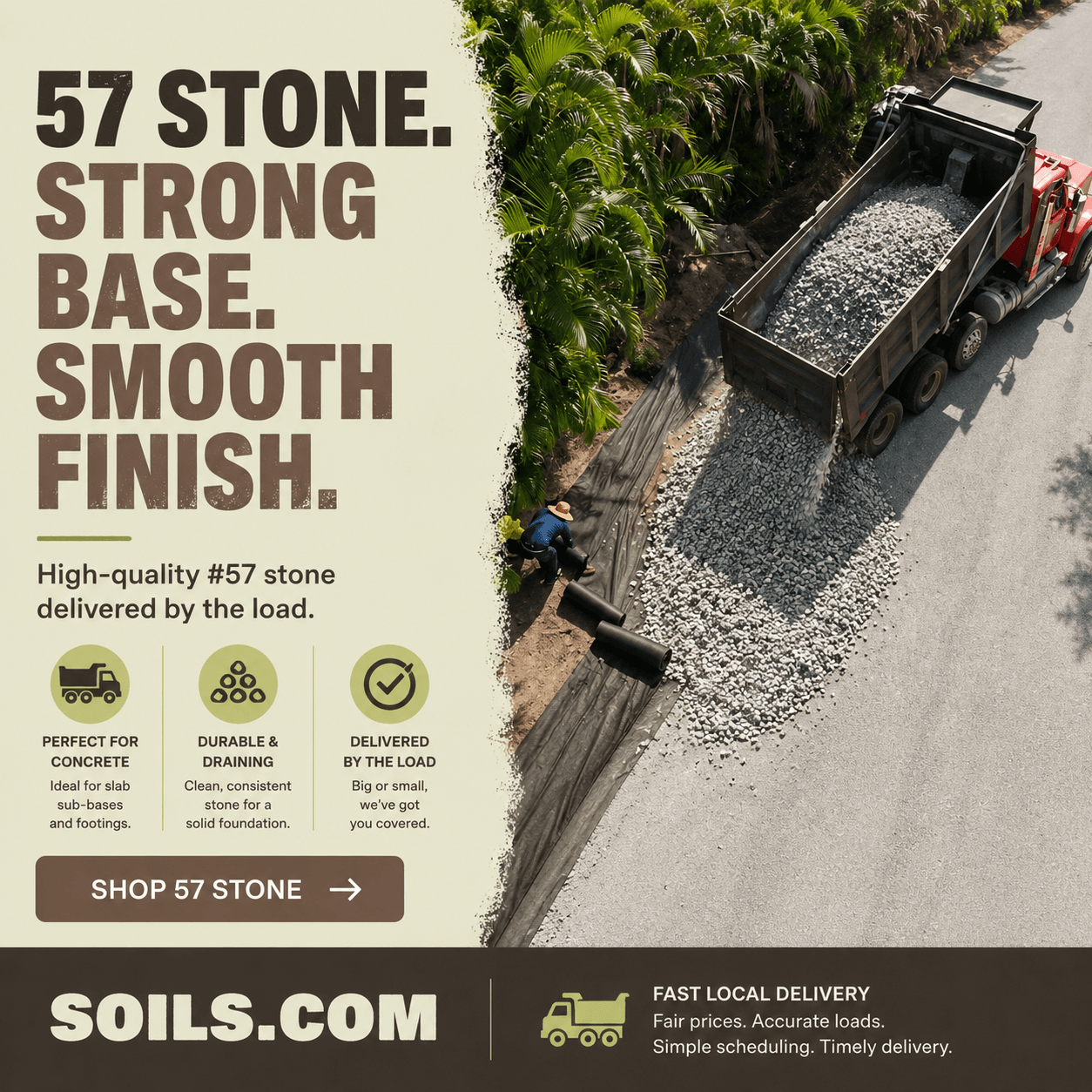
#57 limestone can be used in driveway-related applications, but clean #57 stone isn't necessarily the same thing as a compactable driveway base material. Its suitability depends on the driveway design and the role the aggregate needs to perform. #57 stone can serve specific roles within some driveway systems and may also be used as a stone surface depending on the project. However, clean coarse aggregate doesn't compact like a dense-graded base containing smaller particles. If the design calls for a compacted structural base, look for a product suited to that specific function. See our guide to what #57 limestone is for more detail, or explore #57 Limestone / Limerock #57 Stone if it fits your project.
Recycled Concrete as Driveway Base
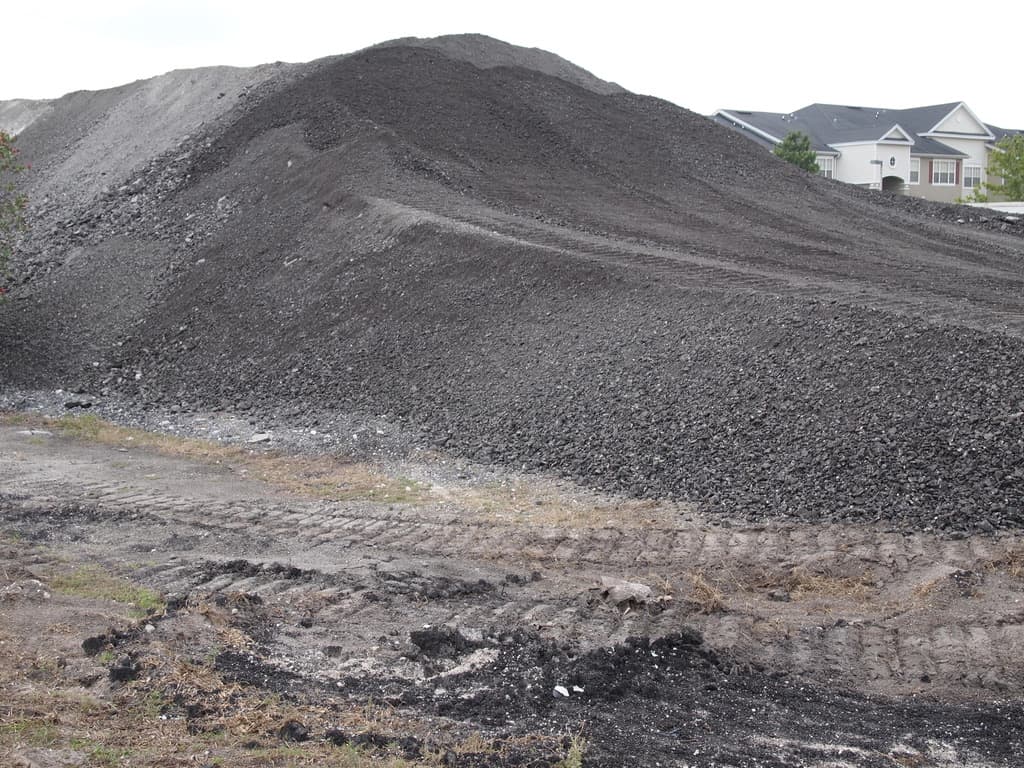
Processed recycled concrete aggregate can be used in base applications when the product is suitable - it can provide a compactable aggregate layer in many driveway systems. That said, actual gradation, fines, processing, and material quality matter, and RCA products aren't universally identical from one supplier to the next. Suitability ultimately depends on the specific driveway and any applicable specifications. See our comparison of #57 limestone vs. recycled concrete for more on how these two options differ.
Limestone vs. Recycled Concrete for Florida Driveways
Selection between the two often comes down to required base characteristics, project specification, local availability, actual supplied gradation, the intended surface, budget, and site conditions - not a fixed rule favoring one material over the other.
| Consideration | Limestone Base | Recycled Concrete Base |
|---|---|---|
| Material source | Quarried limestone | Processed recovered concrete |
| Product characteristics | Depend on gradation/product | Depend on processing/gradation |
| Compactable products available | Yes | Yes |
| Suitable for every driveway | No | No |
| Selection should follow application/spec | Yes | Yes |
Neither option wins by default - the actual product and what your driveway needs from it should drive the decision.
Florida Soil Conditions Matter Beneath the Driveway
Sandy soil is widespread across Florida, but it isn't universal, and developed sites may contain imported fill or disturbed soil left over from earlier construction. Existing subgrade strength and condition matter as much as the base aggregate sitting on top of it, and low or wet areas can be a sign of a drainage or grade issue rather than simply a spot that needs more stone. High groundwater can also affect some sites. Adding aggregate over unsuitable underlying conditions doesn't necessarily correct the underlying problem. See our guide to Florida soil types and what they mean for landscaping for more on that variation.
Driveway Base and Drainage Need to Work Together
A driveway base needs stability, but the overall driveway also needs water management - surface runoff, surrounding grade, low areas, edge drainage, underlying site conditions, and drainage features where required all play a part. Trying to make the entire driveway base function like a drainage trench isn't necessarily the correct approach; base stability and drainage should be addressed as related but distinct design requirements. See our guide to choosing aggregate for Florida drainage projects for that side of the picture.
What About Fill Dirt Under a Driveway?
Fill dirt may sometimes be needed to establish elevation before a driveway base goes in, but general-purpose fill dirt shouldn't automatically be assumed suitable for engineered or structural applications - some projects specify particular fill or subgrade requirements. Base aggregate and fill dirt perform different functions within the same project, and confusing the two can lead to ordering the wrong material for a given layer. See our guide to fill dirt for Florida grading and sitework for more on that piece.
How Deep Should a Driveway Base Be?
There isn't one driveway-base depth that applies to every Florida project. Depth can depend on the subgrade, the aggregate selected, expected vehicle loads, the overall driveway design, the surface material going on top, drainage conditions, and any applicable project specifications. Residential passenger-car use and heavier or commercial traffic may call for different designs entirely.
How Much Driveway Base Material Do You Need?
For simple rectangular areas, calculate volume using:
Length (ft) x Width (ft) x Depth (inches) / 324 = Cubic Yards
Calculate using your required base depth, and divide irregular areas into sections rather than treating them as one uniform shape.
Density varies by material and product, so there's no universal tons-per-yard conversion to lean on, and order quantity should be based on your actual material and project requirements rather than assuming one standard overage percentage applies to every project. If #57 limestone is part of your project, see our guide on how much #57 limestone you need for the full methodology.
Ordering Driveway Base Material in Florida
Before ordering, identify your intended driveway construction, confirm the material or specification you need, measure your required quantity, and check local product availability. Enter your exact ZIP code for pricing, prepare a safe dump area, and make sure there's adequate truck access - larger driveways may require multiple loads. See our guide on bulk landscape material delivery in Florida for more on that process.
Soils.com provides bulk aggregate delivery throughout Florida. Visit our Florida delivery locations to find your area and check available driveway and sitework materials.
Frequently Asked Questions About Florida Driveway Base Materials
What is the best base material for a driveway in Florida?
Compactable aggregate base materials are commonly used, including limestone-based and processed recycled concrete products. The best choice depends on subgrade, drainage, driveway surface, traffic, and project requirements.
Is #57 limestone good for a driveway?
#57 limestone can be useful in driveway applications, but clean #57 stone isn't necessarily equivalent to a compactable dense-graded base. The appropriate material depends on how the stone will function within the driveway.
Is recycled concrete good for driveway base?
Properly processed recycled concrete aggregate can be suitable for driveway-base applications. Actual gradation, processing, material quality, site conditions, and project requirements should determine suitability.
Does a Florida driveway need drainage under the base?
It depends on the site and driveway design. Water management can involve surface grade, surrounding drainage, subgrade conditions, edge drainage, or dedicated drainage features rather than one universal under-base drainage method.
How deep should driveway base material be?
There is no universal depth. Required base thickness depends on existing subgrade, traffic, aggregate, driveway surface, drainage conditions, and any applicable design or specifications.
Need Driveway Base Material Delivered in Florida?
Once you've identified the base material and quantity your driveway project requires, check local availability and delivered pricing. Soils.com provides bulk aggregate and sitework material delivery throughout Florida.