What Are Aggregates? Types, Uses & Applications
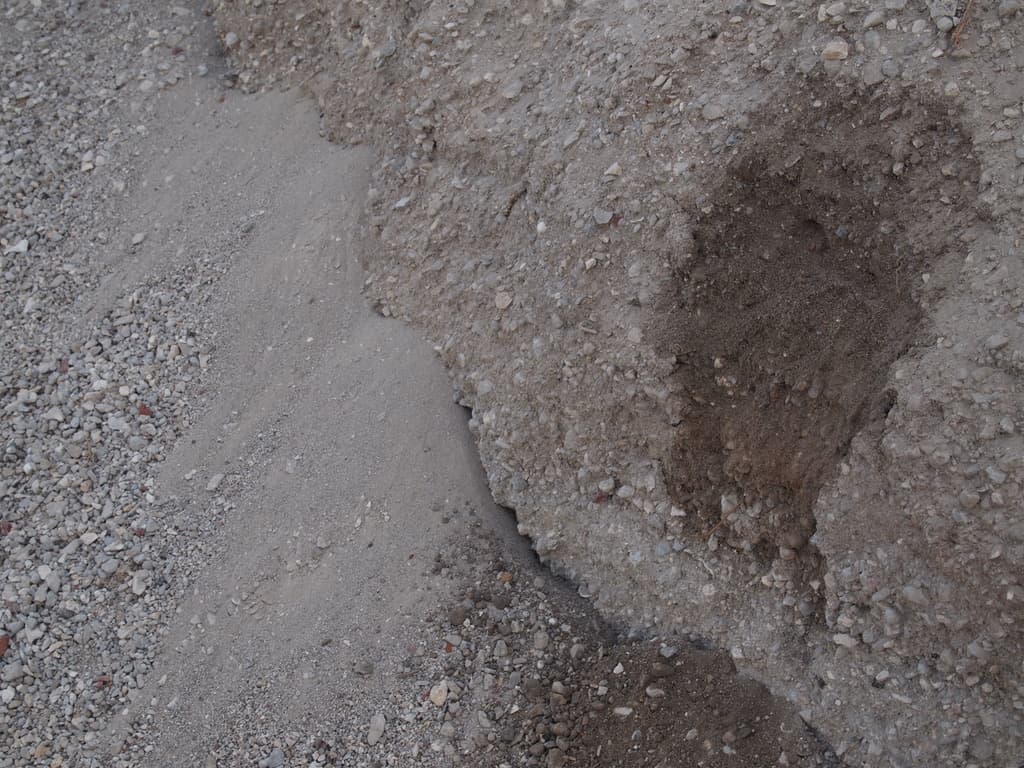
Aggregates are granular materials such as crushed stone, gravel, sand, limestone, and recycled materials used in construction, drainage, driveways, hardscaping, sitework, and other applications.
Table of Contents
- TL;DR - Understanding Aggregate Materials
- What Are Aggregates?
- What Are the Main Types of Aggregates?
- What Is 57 Limestone?
- How Are Aggregates Classified by Size?
- What Are Aggregates Used For?
- Aggregate for Drainage vs. Aggregate for Base
- 57 Limestone vs. Recycled Concrete
- How Do You Choose the Right Aggregate?
- How Much Aggregate Do You Need?
- Frequently Asked Questions About Aggregates
- Ready to Choose Your Aggregate?
Aggregates are granular materials such as crushed stone, gravel, sand, limestone, and recycled materials used in construction, drainage, driveways, hardscaping, sitework, and other applications. Different aggregates have different sizes, shapes, gradations, and material properties, so the right aggregate depends on how it will be used.
"Aggregate" is a broad material category, not one specific product. Someone ordering "aggregate" still needs to determine the material type, particle size or gradation, the project application, the required quantity, and any project specifications that apply. For example, #57 limestone is one example of an aggregate - it isn't synonymous with aggregate generally.
TL;DR - Understanding Aggregate Materials
- Aggregates are granular materials used throughout construction, landscaping, drainage, hardscaping, and sitework.
- Common examples include crushed stone, gravel, limestone, sand, and recycled aggregate.
- Aggregate products differ in material, particle size, gradation, shape, and other characteristics.
- The best aggregate depends on what the material needs to do in the project.
- Drainage aggregate, driveway base material, bedding material, and structural applications may require different products.
- Always use project or engineering specifications where applicable.
What Are Aggregates?
Aggregates may originate from natural deposits, quarried stone, crushed or processed rock, or recycled construction materials, depending on the specific product and supplier. Materials may be crushed, screened, washed, graded or sized, or otherwise processed - though not every aggregate product goes through every one of those steps.
What Are the Main Types of Aggregates?
Crushed Stone
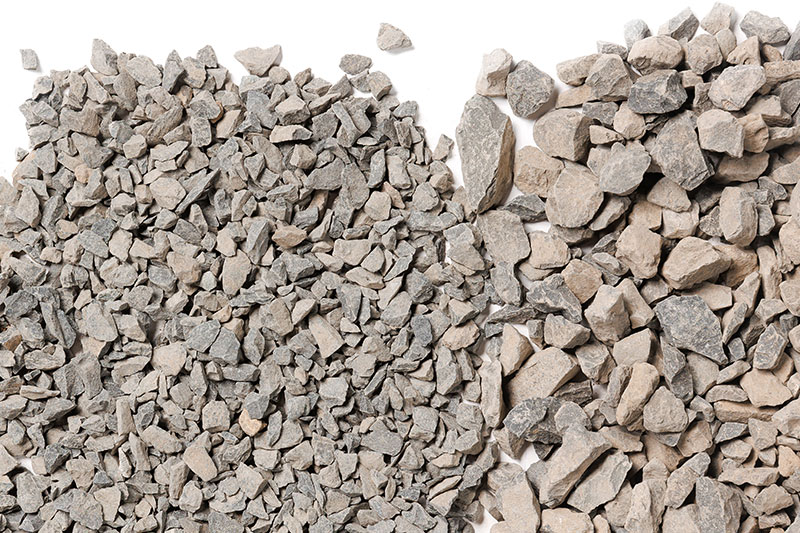
Crushed stone is produced by mechanically crushing and processing rock into usable sizes and gradations. Common applications include base material, drainage, construction, hardscaping, and sitework, though the appropriate application depends on the specific product.
Gravel
Gravel is one type or category of material within the broader aggregate family, although terminology varies considerably between everyday use and supplier-specific product naming. Consumer terminology gets a little messy here - people often use "gravel," "crushed stone," and "rock" interchangeably, even though they aren't always technically identical. It's worth understanding that overlap rather than expecting one rigid definition to hold across every supplier and region.
Limestone
Limestone is a rock type that can be crushed and processed into a range of aggregate products. Different limestone aggregate products may be produced in different sizes and gradations for different applications.
Sand
Sand is also an aggregate category in its own right, even though it's organized separately in our Sand Guides for browsing purposes. Its characteristics and applications differ enough from crushed stone and gravel that it's worth treating as its own material family.
Recycled Aggregate
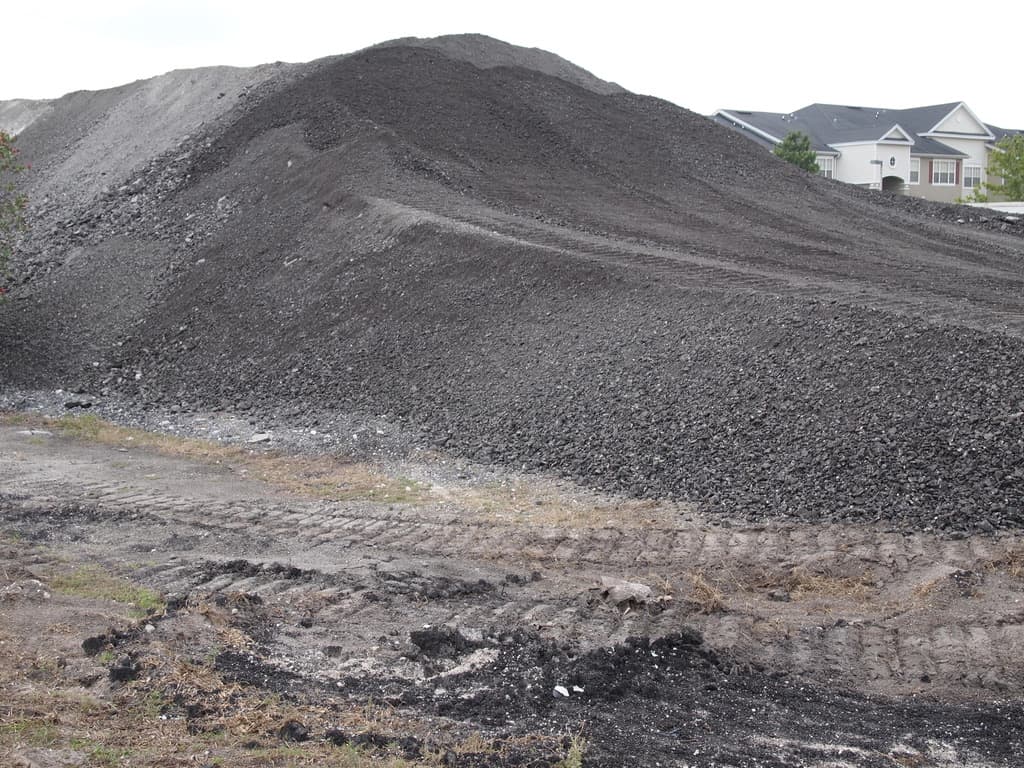
Aggregate can also be produced from processed or recycled construction materials, such as crushed concrete. Recycled aggregate shouldn't automatically be assumed to have identical properties or suitability to virgin aggregate - its characteristics, processing, and appropriate applications can differ.
What Is 57 Limestone?
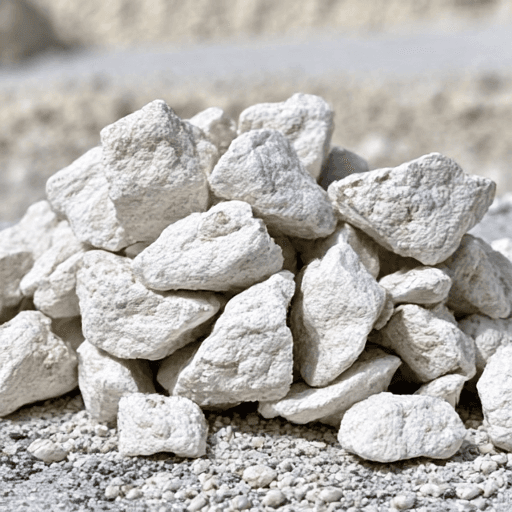
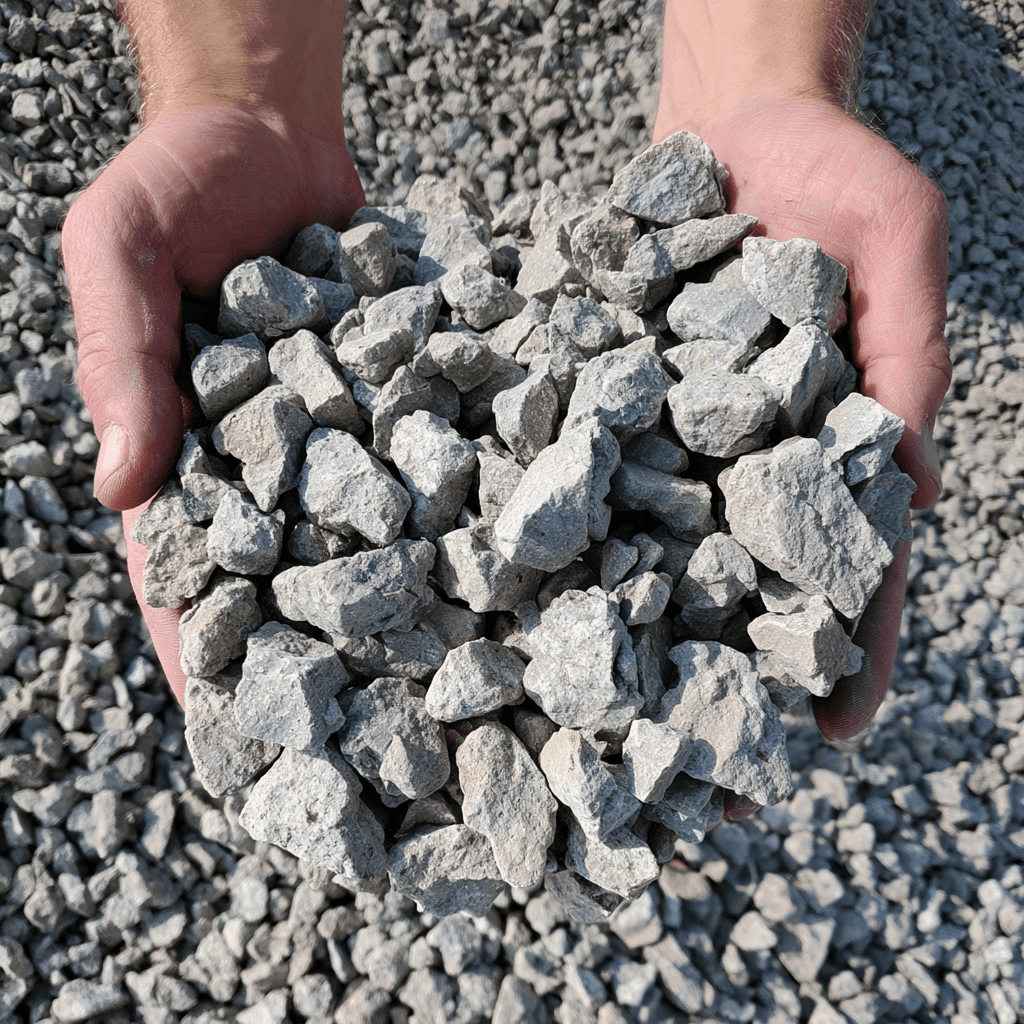
#57 limestone is a commonly referenced crushed limestone aggregate designation used in various construction, drainage, hardscape, and sitework contexts, depending on specifications and local product characteristics. See our dedicated guide to what 57 limestone is and how it's used for a full explanation, including how sizing terminology like "#57" is used in practice.
How Are Aggregates Classified by Size?
Aggregate sizing and gradation is one of the most important concepts in material selection. Some materials are relatively single-size or narrowly graded, while others contain a broader distribution of particle sizes. You'll also see terminology distinguishing fine aggregate from coarse aggregate.
Product names such as "#57" communicate information about an aggregate's sizing or classification, but the actual gradation behind that name should be verified with the supplier or project specification rather than assumed to be identical everywhere it appears.
What Are Aggregates Used For?
Drainage
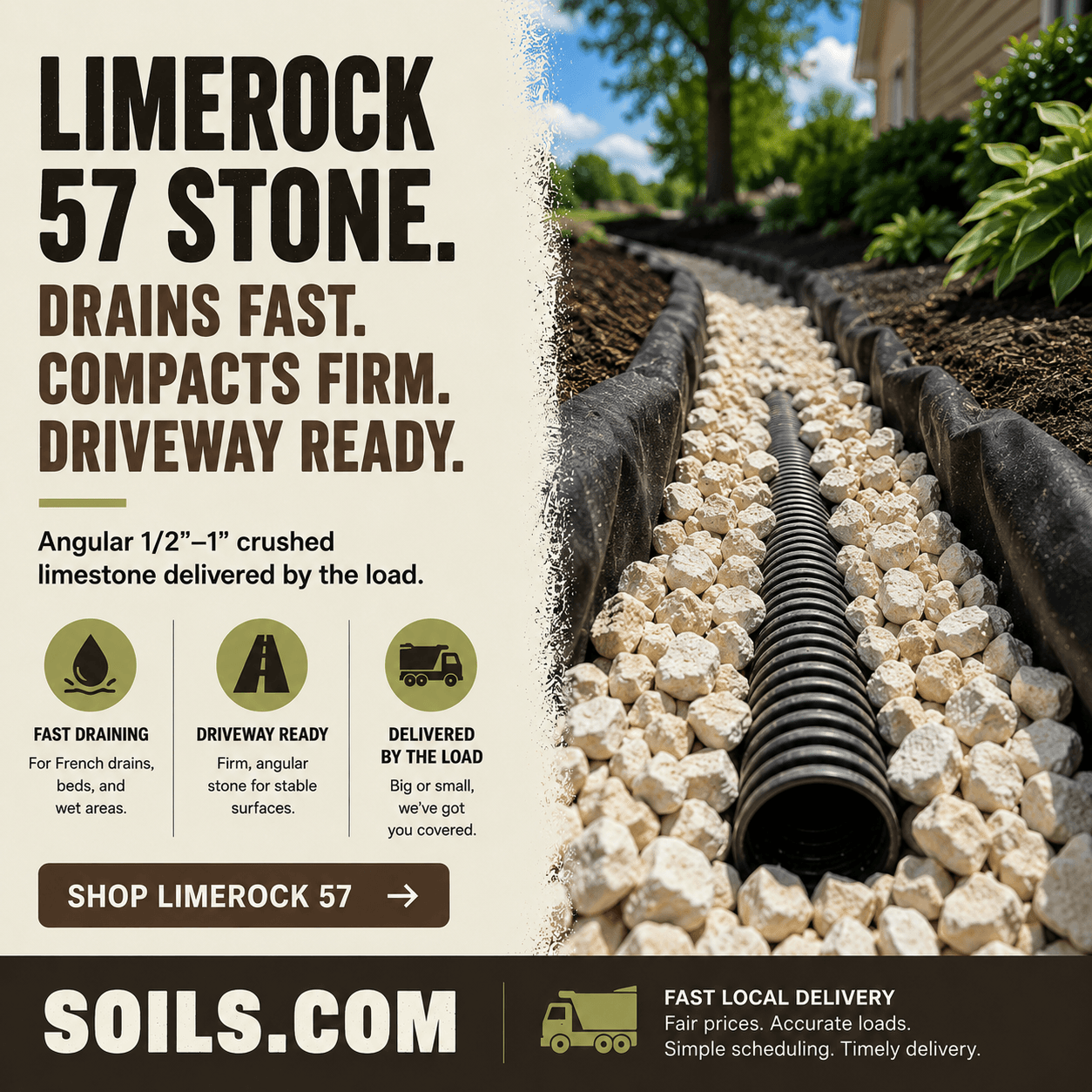
Certain aggregates are used where void space and water movement through the material are important - but not every aggregate is automatically a drainage material. See our guide on choosing the best aggregate for drainage for more on how that selection is made.
Driveways
Aggregates may be used in driveway surfaces, base systems, or other layers depending on how the driveway is constructed. See our guide to choosing aggregate for a driveway base for more detail.
Pavers and Hardscaping
Aggregate can play a role in base, bedding, drainage, or other layers within a hardscape system, but no single aggregate works for every hardscape application - the system and its specifications determine what's appropriate.
Construction and Sitework
Common examples include base preparation, backfill applications, site access, drainage, utility and sitework applications, and other specified construction uses. Not every aggregate product is appropriate for every one of these applications.
Landscaping
Aggregates also show up in decorative stone, pathways, drainage features, and other landscape construction, depending on the specific product.
Aggregate for Drainage vs. Aggregate for Base
This is one of the most useful distinctions to understand before ordering. An aggregate that performs well in a drainage application isn't necessarily the same material selected for a compacted base.
Drainage applications may prioritize characteristics that allow water to move through void spaces in the material, depending on the drainage system and its design. Base applications generally prioritize characteristics related to stability, gradation, compaction, and load distribution. It's tempting to oversimplify this as "clean stone equals drainage, crushed stone equals base," but actual material specifications matter more than a shorthand rule like that.
57 Limestone vs. Recycled Concrete
#57 limestone and recycled concrete aggregate are different material options that may overlap in some applications, but they shouldn't automatically be treated as interchangeable. Differences can involve source material, processing, gradation, product consistency, availability, project specifications, and intended application. See our comparison of 57 limestone vs. recycled concrete for a closer look at how these two options differ.
How Do You Choose the Right Aggregate?
- Identify the application.
- Determine what function the aggregate needs to perform.
- Check the required material type and gradation.
- Determine the required layer or depth where applicable.
- Check project, manufacturer, engineering, or local requirements.
- Measure the area.
- Calculate the required quantity.
- Confirm the supplied product matches the project requirements.
How Much Aggregate Do You Need?
Quantity depends primarily on area x depth = volume, the same basic concept as other bulk materials. Aggregate is often sold or ordered in tons, cubic yards, or another unit depending on the supplier and material, and there's no single tons-per-yard conversion that applies universally - aggregate density varies by material. For #57 limestone specifically, see our guide on how much 57 limestone you need.
Frequently Asked Questions About Aggregates
What is aggregate material?
Aggregate is a broad category of granular materials - including crushed stone, gravel, sand, and recycled materials - used across construction, drainage, hardscaping, and landscaping applications.
What are examples of aggregates?
Crushed stone, gravel, sand, limestone aggregates, and recycled aggregate are all common examples.
What is the difference between gravel and aggregate?
Aggregate is the broader category. Gravel is one term or material family used within the broader aggregate landscape, although terminology varies considerably between everyday use and supplier-specific product naming.
What aggregate is best for drainage?
There isn't one universal product. Material should be selected based on drainage design, gradation, project requirements, and intended function. See our guide to choosing the best aggregate for drainage for more detail.
What aggregate is best for a driveway base?
It depends on the driveway system, underlying conditions, expected loads, aggregate characteristics, and project requirements. See our guide to choosing aggregate for a driveway base for more detail.
Ready to Choose Your Aggregate?
Once you know what your project requires, you can compare aggregate options and determine the quantity needed for delivery. For projects where #57 limestone is appropriate, explore our #57 limestone for bulk delivery to your location.