
Best Gravel and Aggregate for Drainage
The best aggregate for drainage depends on the drainage system, but materials that maintain interconnected void spaces and meet the required gradation are commonly selected where water needs to move through an aggregate layer.
Table of Contents
- TL;DR - Choosing Aggregate for Drainage
- What Makes an Aggregate Good for Drainage?
- What Size Gravel Is Best for Drainage?
- Is #57 Limestone Good for Drainage?
- Clean Stone, Washed Stone, and Drainage Aggregate: Are They the Same?
- Best Aggregate for a French Drain
- Best Aggregate for Landscape Drainage
- Aggregate Around Drainage Pipe
- Drainage Aggregate vs. Driveway Base Aggregate
- 57 Limestone vs. Recycled Concrete for Drainage
- Does Gravel Fix Poor Drainage?
- How to Choose Aggregate for a Drainage Project
- Frequently Asked Questions About Drainage Aggregate
- Need Aggregate for a Drainage Project?
The best aggregate for drainage depends on the drainage system, but materials that maintain interconnected void spaces and meet the required gradation are commonly selected where water needs to move through an aggregate layer. #57 limestone is one commonly used option for certain drainage applications, but it isn't the only choice and isn't automatically right for every drainage project.
Choose drainage aggregate by gradation, fines content, surrounding materials, and system requirements - not simply by a product name such as "gravel" or "stone." For a broader look at the aggregate category, see our guide to what aggregates are and how they're used.
TL;DR - Choosing Aggregate for Drainage
- The best drainage aggregate depends on the drainage system and project requirements.
- Aggregate gradation and fines content can strongly affect how water moves through the material.
- Materials with suitable interconnected void spaces are commonly used where water needs to pass through an aggregate layer.
- #57 limestone can be appropriate for certain drainage applications but isn't universally required.
- Drainage aggregate and compacted base aggregate serve different functions and shouldn't automatically be treated as interchangeable.
- Surrounding soil, filter/geotextile requirements, slope, outlets, and installation affect the performance of the entire drainage system.
What Makes an Aggregate Good for Drainage?
Gradation - The distribution of particle sizes affects void structure and material behavior.
Fines Content - Smaller particles can occupy void spaces between larger aggregate particles. Whether fines are acceptable depends on the system and specification.
Void Structure - Drainage depends on interconnected spaces through which water can move - not merely on the stone being "large."
Material Stability - Aggregate still needs to remain appropriate for its intended layer and function.
Surrounding Materials - Soil migration into the aggregate can change drainage behavior over time, which is part of why filter or geotextile considerations often come up in drainage design.
What Size Gravel Is Best for Drainage?
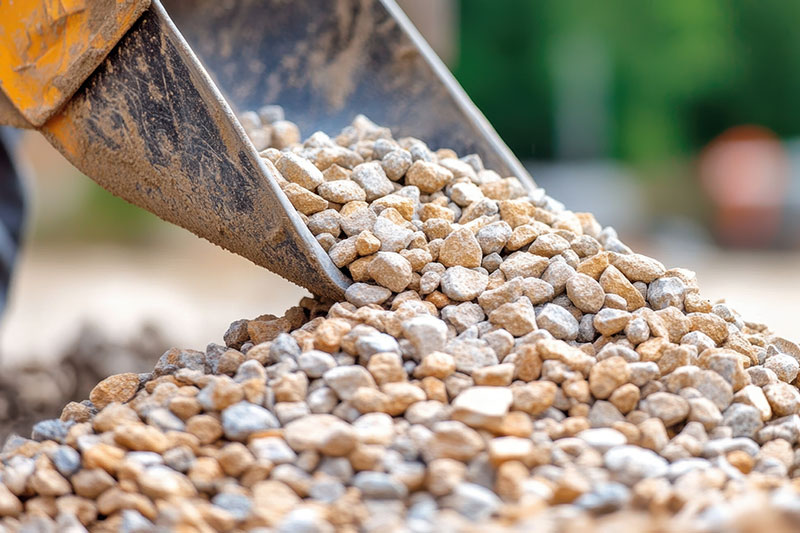
There's no single size that's always best. Drainage aggregate is commonly selected according to a specified size or gradation, and larger particle size alone doesn't guarantee better drainage - overall gradation and fines content all influence the void structure and how readily water can move through the aggregate layer. The drainage system itself determines what aggregate is appropriate. #57 is one commonly encountered classification in this space, discussed in more detail below.
Is #57 Limestone Good for Drainage?
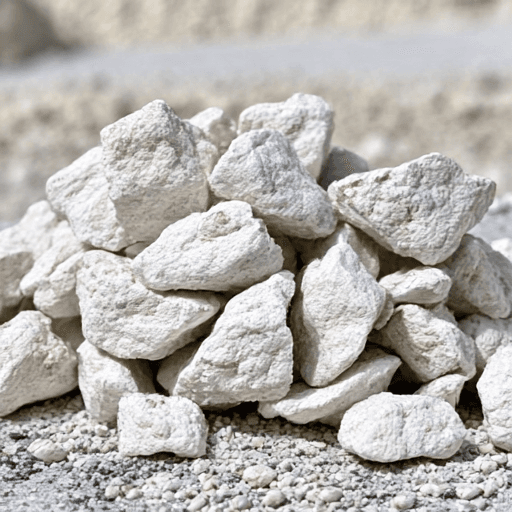
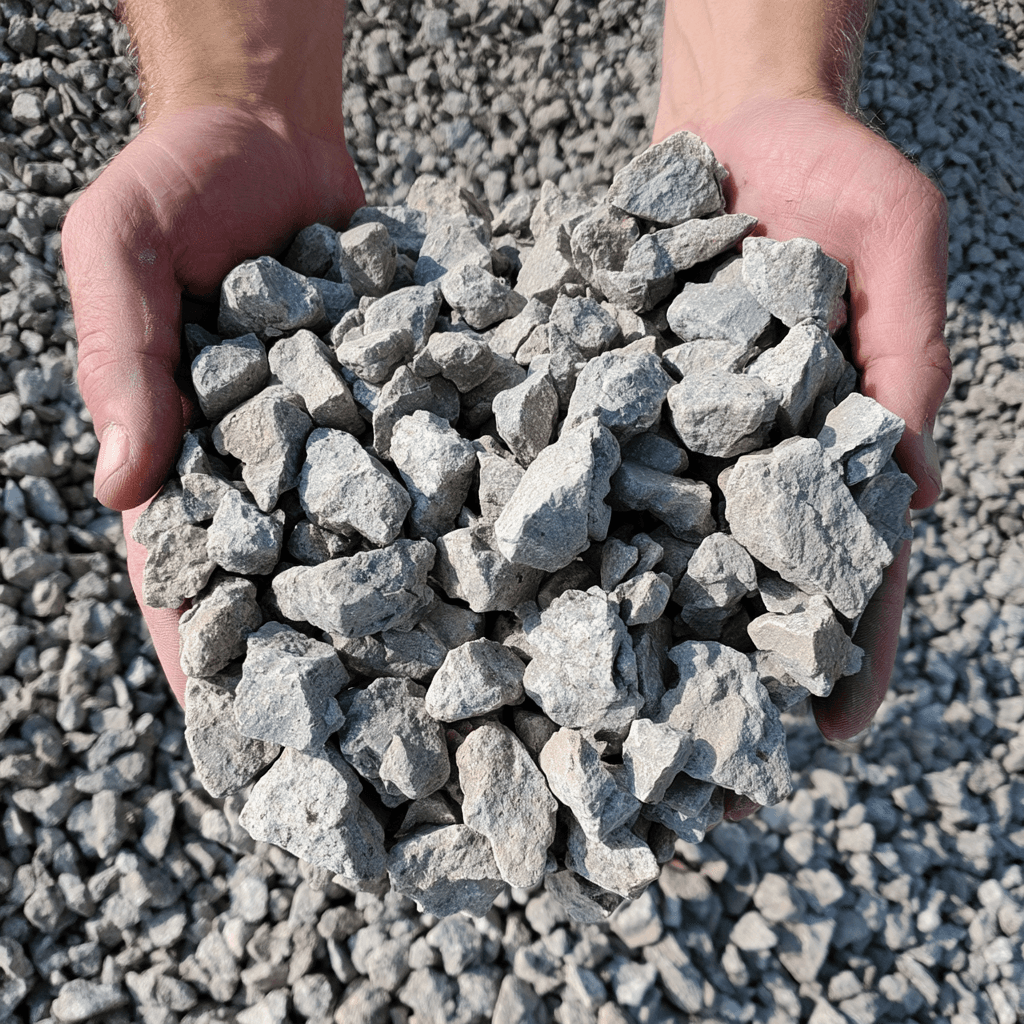
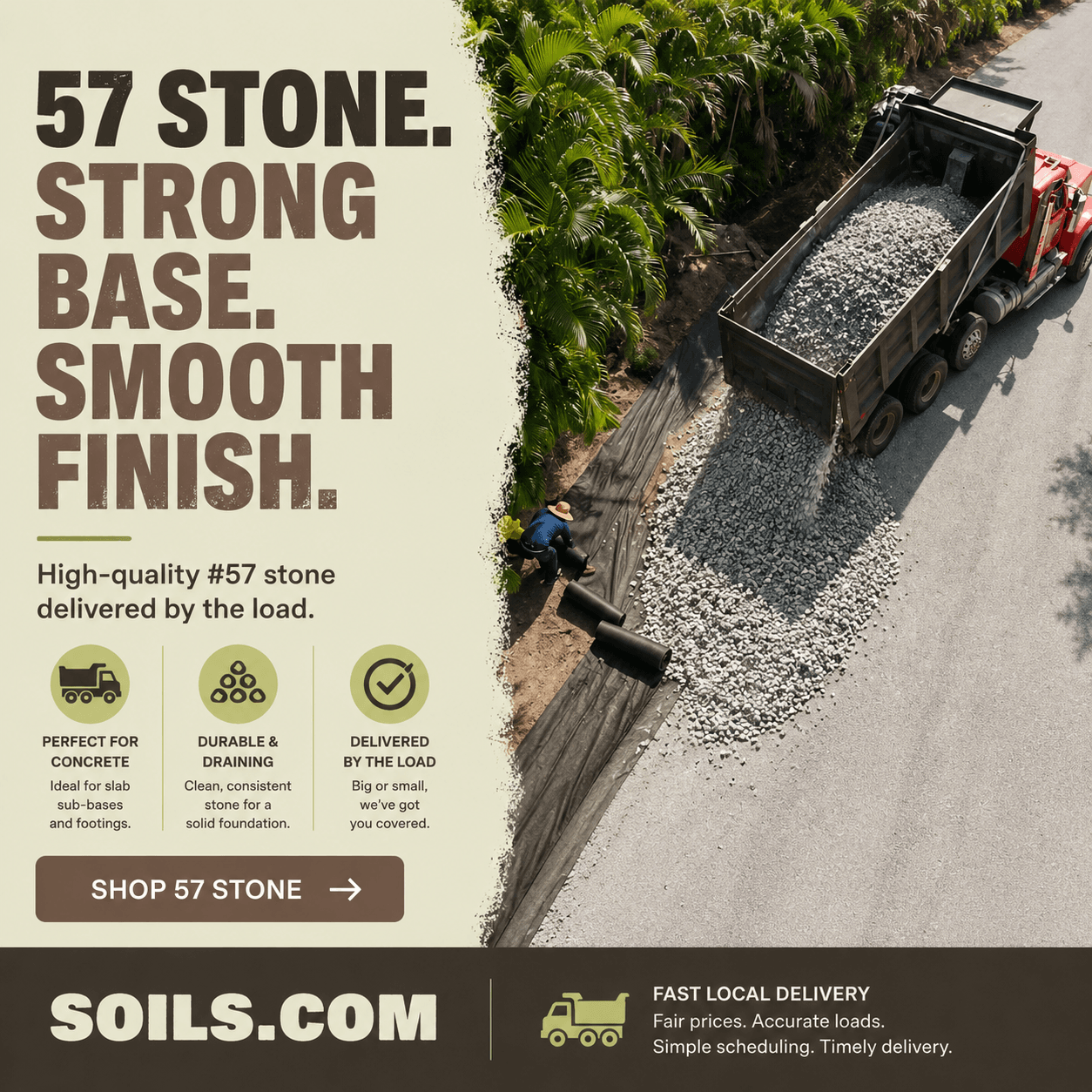
#57 limestone can be appropriate for many drainage applications when the supplied product's gradation and characteristics meet the system's requirements. It's commonly encountered in drainage work, but it's worth confirming the actual supplied product rather than assuming based on the name alone - "#57" doesn't mean every particle is exactly the same size, not all #57 stone is necessarily limestone, and not every product called #57 has identical characteristics across suppliers. See our guide to what #57 limestone is and how it's used for more on that terminology.
Clean Stone, Washed Stone, and Drainage Aggregate: Are They the Same?
Not necessarily. Terms like "clean stone," "washed stone," "drainage rock," "drain rock," "gravel," and "crushed stone" get used by suppliers and consumers in overlapping ways, and "clean" and "washed" shouldn't automatically be treated as universal synonyms for each other or for a specific gradation. Likewise, a product being labeled "drainage rock" doesn't replace checking its actual gradation and specification against what your project requires. Confirm the actual material characteristics rather than relying on the label.
Best Aggregate for a French Drain
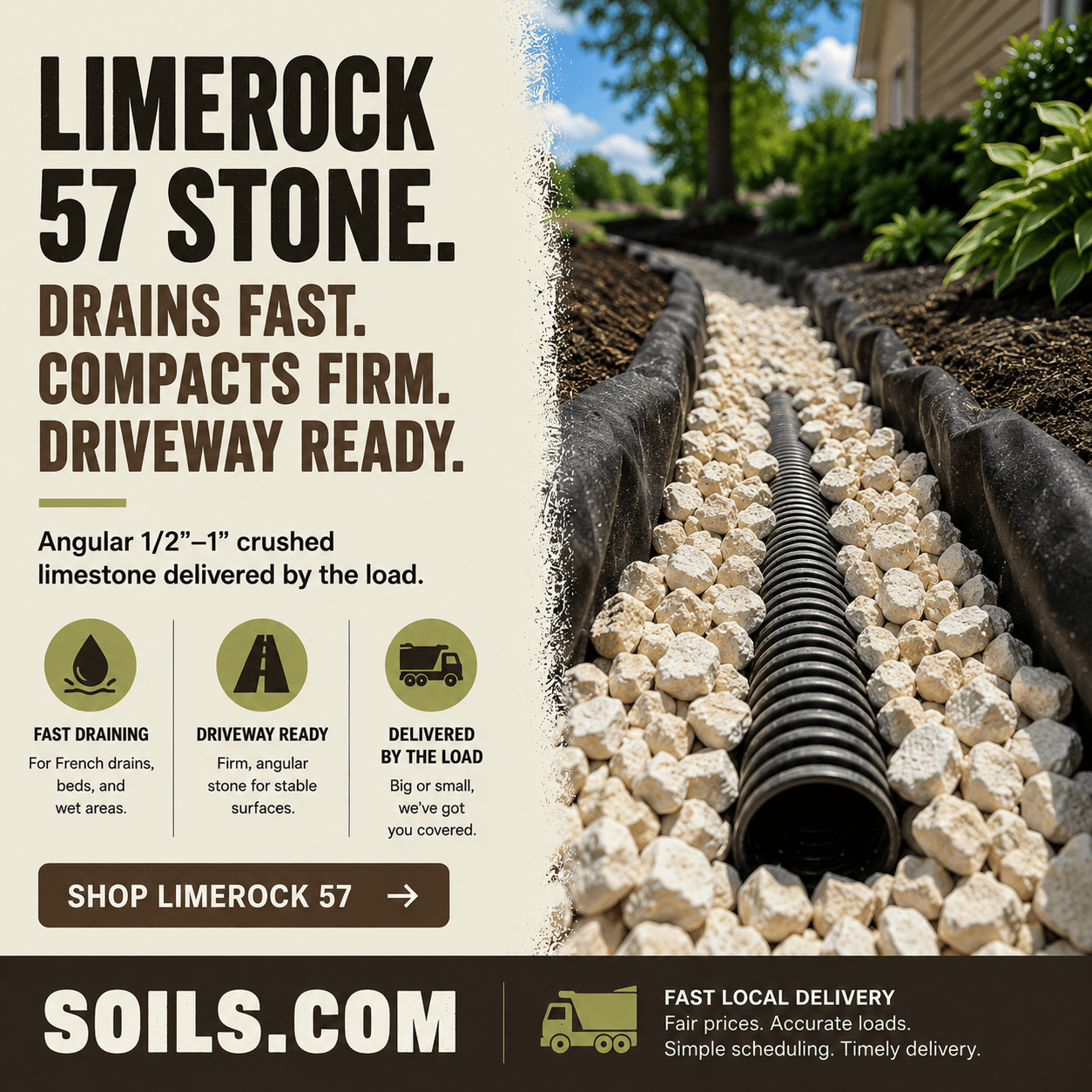
A French-drain-type system depends on more than the aggregate alone. The overall design may include suitable aggregate, perforated pipe, filter or geotextile separation, appropriate grading, and a functioning outlet or discharge path. Aggregate selection needs to fit that overall system design. #57 limestone may be suitable in some French-drain systems, but it isn't a universal requirement.
Best Aggregate for Landscape Drainage
Landscape drainage applications can include drainage trenches, drainage around landscape features, and other areas or systems intended to move and manage water. Decorative gravel and drainage aggregate may overlap in some projects, but appearance doesn't establish drainage suitability - the material's actual gradation and characteristics do.
Aggregate Around Drainage Pipe
Material placed around perforated or drainage pipe should be selected according to the pipe or system design, the required aggregate gradation, filter or separation requirements, the surrounding soil, and project specifications. Trench widths, aggregate depths, pipe slopes, and cover depths vary too much by system to give a universal figure here - those come from the system design, not a generic recommendation.
Drainage Aggregate vs. Driveway Base Aggregate
Aggregate selected to allow water movement isn't necessarily the same material selected to form a dense, stable, compacted base. A drainage-oriented material may prioritize gradation and void structure that support water movement, while a base aggregate may use a broader gradation and fines content to achieve the required stability and compaction. That's a general tendency rather than a strict rule that drainage stone has no fines and base stone always does - the actual product and specification determine the answer. See our guide to choosing aggregate for a driveway base for more on that distinction.
57 Limestone vs. Recycled Concrete for Drainage
Material source alone doesn't determine drainage suitability. A #57 limestone product may have appropriate drainage characteristics, while a recycled concrete aggregate product's suitability depends on its own gradation, fines, processing, and how it meets your system's requirements. See our comparison of 57 limestone vs. recycled concrete for the fuller picture.
Does Gravel Fix Poor Drainage?
Not necessarily. Adding aggregate doesn't automatically solve poor site grading, a missing or non-functioning outlet, high groundwater, compacted or poorly draining surrounding soils, improper drainage-system design, or water being directed toward structures in the first place.
Drainage aggregate is a component of a drainage system, not a substitute for drainage design.
How to Choose Aggregate for a Drainage Project
- Identify the drainage problem and system.
- Determine the role the aggregate needs to perform.
- Check required aggregate size and gradation.
- Determine acceptable fines content or filter requirements.
- Consider surrounding soil and separation requirements.
- Confirm pipe or system requirements where applicable.
- Verify the supplier's actual product characteristics.
- Calculate the required quantity.
- Confirm delivery and placement access.
If #57 limestone is the material you've selected, see our guide on how much #57 limestone you need for the next step.
Frequently Asked Questions About Drainage Aggregate
What gravel is best for drainage?
There isn't one universal gravel that's best for every drainage project. Choose aggregate based on gradation, fines content, system design, surrounding materials, and project requirements.
Is #57 limestone good for drainage?
It can be appropriate for many drainage applications when the supplied material's gradation and characteristics meet the system requirements.
What size gravel should I use for drainage?
The appropriate size or gradation depends on the drainage application and specification. Larger stone isn't automatically better simply because it creates larger individual spaces.
Is washed gravel better for drainage?
Not automatically. Washing can affect the amount of fine material present, but "washed," "clean," and similar supplier terms don't by themselves establish that a product is appropriate for a particular drainage system.
Can I use recycled concrete for drainage?
Potentially, depending on the RCA product's gradation, fines content, processing, and project requirements. Recycled concrete shouldn't automatically be treated as interchangeable with #57 limestone or another specified drainage aggregate.
Need Aggregate for a Drainage Project?
Once you've identified the aggregate your drainage system requires, determine the project area and depth to estimate the quantity needed. If #57 limestone is appropriate for your application, explore our #57 Limestone / Limerock 57 Stone for bulk delivery to your location.