


What Is Mason Sand? Uses & Applications
Mason sand is a relatively fine, processed sand commonly used for masonry, certain paver and hardscape applications, leveling applications, and other projects where a smoother, more workable sand is desirable.
Table of Contents
- TL;DR - What to Know About Mason Sand
- What Is Mason Sand?
- What Does Mason Sand Look and Feel Like?
- What Is Mason Sand Made Of?
- What Is Mason Sand Used For?
- Mason Sand vs. Concrete Sand
- Can You Use Mason Sand Under Pavers?
- How Deep Should Sand Be Under Pavers?
- Can Mason Sand Be Used for Leveling?
- How Much Mason Sand Do You Need?
- What to Consider Before Ordering Mason Sand
- Frequently Asked Questions About Mason Sand
- Need Mason Sand for Your Project?
Mason sand is a relatively fine, processed sand commonly used for masonry, certain paver and hardscape applications, leveling applications, and other projects where a smoother, more workable sand is desirable.
That said, mason sand isn't automatically the right choice for every project that calls for sand. Sand selection should be based on the application and project requirements - not simply on whether a material is called "sand."
TL;DR - What to Know About Mason Sand
- Mason sand is a relatively fine, processed sand commonly used in masonry and various landscaping and hardscaping applications.
- Its finer texture distinguishes it from coarser products such as concrete sand.
- Common applications can include masonry work, certain paver applications, leveling, and other projects requiring relatively fine, workable sand.
- Mason sand isn't automatically the right choice for every project that requires sand.
- Quantity depends on the area being covered and the required depth.
What Is Mason Sand?
Mason sand is typically a relatively fine sand that's processed or screened to achieve a more consistent product. That finer texture is generally what makes it workable for the applications it's associated with.
Products marketed as mason sand can vary by supplier and source, and regional terminology isn't always consistent, so it's worth avoiding treating "mason sand" as one fixed technical specification. What's generally true is that it's finer and more workable than many coarser bulk sand products - the specifics beyond that can depend on where it comes from and how it's processed.
What Does Mason Sand Look and Feel Like?
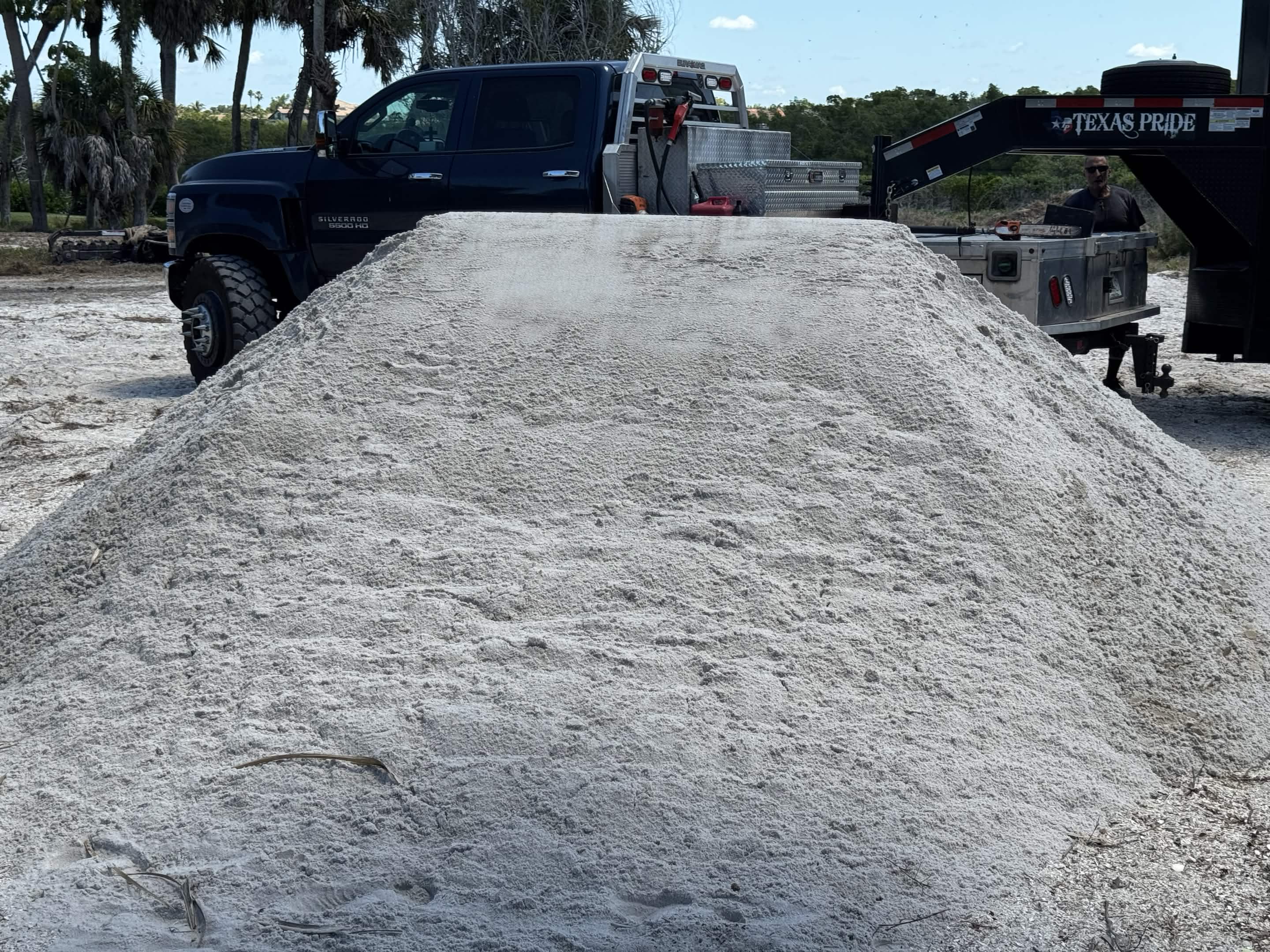
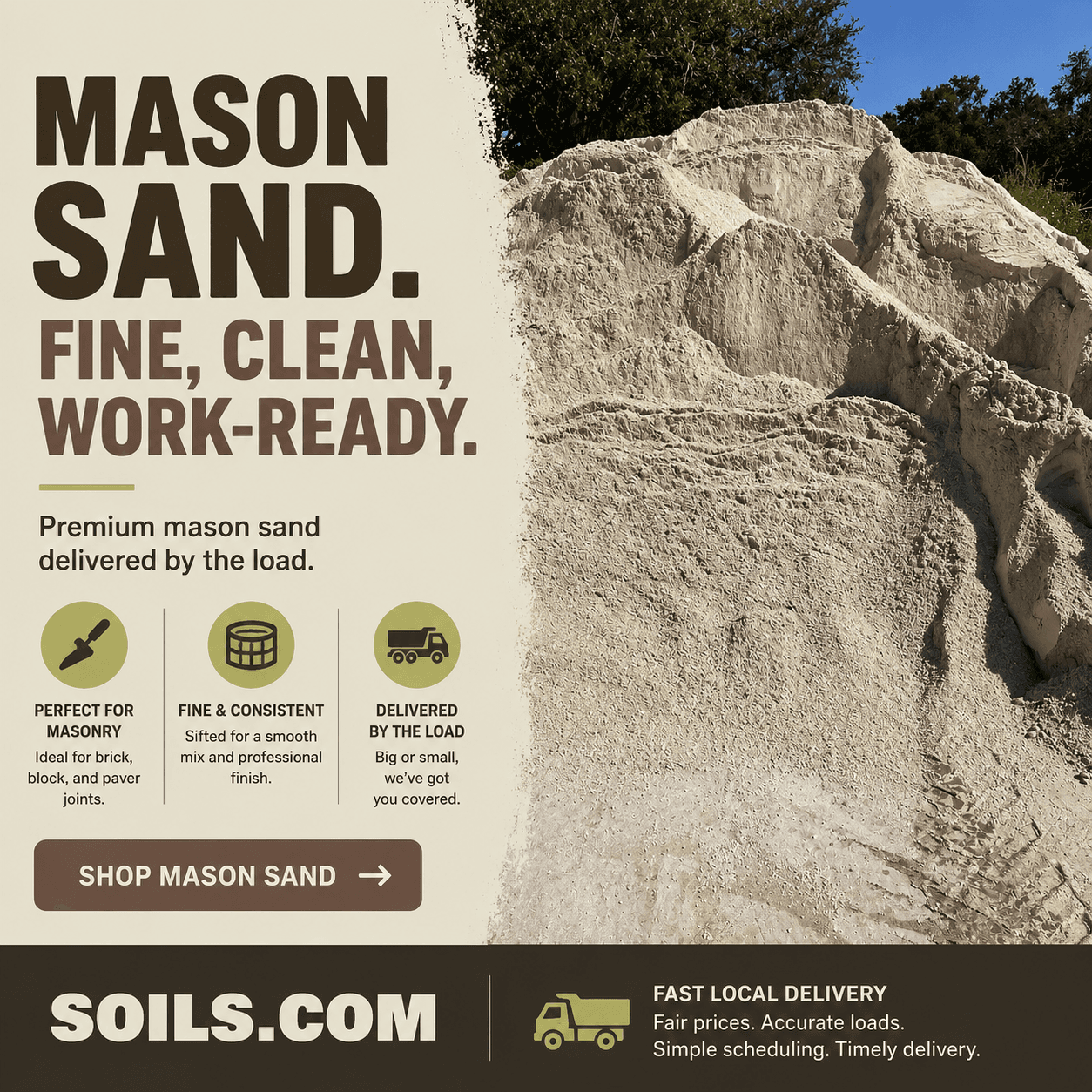
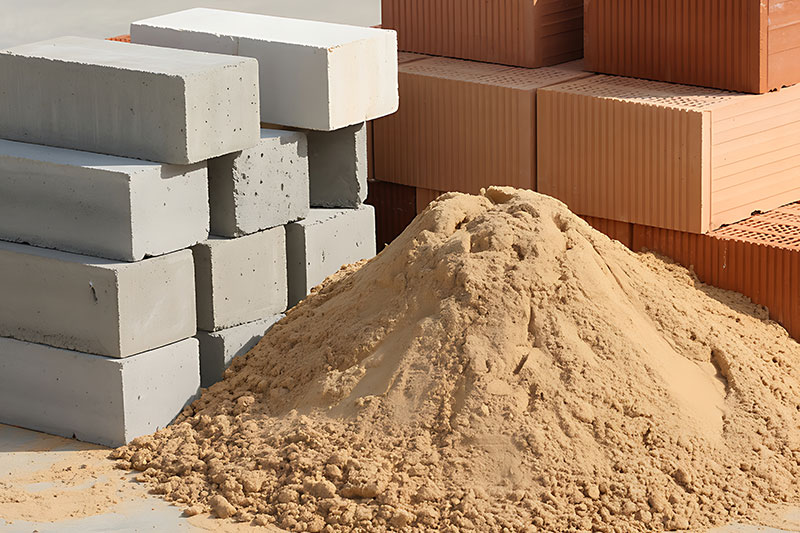
Mason sand generally has a fine, relatively uniform texture that feels smoother than many coarse aggregate sands. Color can vary depending on the source material, so appearance alone isn't a reliable way to judge whether a particular batch is suitable for your project - the material's actual characteristics matter more than how it looks.
What Is Mason Sand Made Of?
Composition depends on the source and supplier. Mason sand may be produced from natural sand deposits or processed aggregate sources, depending on the market and product. For applications with defined requirements, checking the specific product's actual specifications matters more than relying on the generic name.
What Is Mason Sand Used For?
Masonry and Mortar Applications
Mason sand's name comes from its common use in masonry work. Its relatively fine, workable characteristics can make it suitable for certain masonry applications, but that depends on whether the specific product meets the requirements of the mortar mix or project - not every bulk mason sand automatically meets every masonry specification.
Pavers and Hardscaping
Sand can play several different roles within a paver system, including bedding, leveling, and joint-related applications, among other installation-specific purposes. Mason sand isn't universally the correct sand for every layer of every paver installation - different paver systems and installation methods can call for different sand characteristics.
Leveling Applications
Mason sand may be used for certain leveling applications where its relatively fine texture and workability are useful. This is different from major grading or elevation changes, structural base material, or drainage aggregate - those applications typically call for different materials entirely.
Landscaping and General Outdoor Uses
Mason sand may also come up in various landscape and hardscape projects where a fine, workable sand is appropriate for the task at hand.
Mason Sand vs. Concrete Sand
At a high level, mason sand is generally finer and smoother and is selected where workability or a finer material is desired. Concrete sand is generally coarser and may have different gradation and performance characteristics suited to its own applications.
These products shouldn't automatically be treated as interchangeable. For a fuller breakdown, see our guide to mason sand vs. concrete sand.
Can You Use Mason Sand Under Pavers?
Mason sand may be used in some paver applications, but the appropriate sand depends on where the material is being used within the paver system and the project's installation requirements. See our dedicated guide on what kind of sand to use under pavers for a closer look at how that decision is made.
How Deep Should Sand Be Under Pavers?
There's no single universal depth here - required depth depends on the paver system, the sand's role within it, base preparation, installation specifications, and overall project conditions. See our guide on how deep sand should be under pavers for more detail.
Can Mason Sand Be Used for Leveling?
Yes, for some applications, depending on what's being leveled and the role the sand needs to perform. It generally isn't a replacement for fill dirt in significant elevation changes or general site grading, where a different material may be more appropriate. See our guide on using mason sand for leveling for more on where it fits.
How Much Mason Sand Do You Need?
The general concept is the same as with other bulk materials: area x depth = volume. Our dedicated guide on how much sand you need covers the full calculation - cubic feet, cubic yards, depth conversion, irregular areas, and other quantity considerations.
What to Consider Before Ordering Mason Sand
- Intended application
- Required sand characteristics or specification
- Area and depth
- Quantity
- Whether the sand is being used for bedding, leveling, masonry, or another purpose
- Existing base or site conditions
- Project or manufacturer specifications where applicable
- Delivery and access considerations
Frequently Asked Questions About Mason Sand
What is mason sand used for?
Mason sand is commonly used for masonry work, certain hardscaping and paver applications, leveling, and other projects where a fine, workable sand is appropriate.
Is mason sand the same as concrete sand?
No. Mason sand is generally finer and more workable, while concrete sand is generally coarser with different gradation and performance characteristics.
Can you use mason sand under pavers?
Sometimes, depending on its role within the paver system and the installation requirements.
Can mason sand be used for leveling?
Yes, in certain applications, but suitability depends on what is being leveled and the project's requirements.
How much mason sand do I need?
It depends on the area and depth involved - multiply the two to calculate volume, then convert to cubic yards for ordering.
Need Mason Sand for Your Project?
Determine the type of sand your project requires, then estimate the area and depth needed. Use our mason sand calculator to plan your quantity then explore mason sand for bulk delivery to your location.