Recent
2 loads Baseball Clay/Tampa, FL/recently2 loads Recycled Asphalt Millings/Orlando, FL/recently1 load Coarse DOT Sand/Orlando, FL/recently80 tons Limerock #89 - 3/8" natural stone pea gravel/Orlando, FL/recently8 loads Recycled Concrete Screenings Fines/Vero Beach, FL/recently18 yd Topsoil/Plant City, FL/recently20 tons Recycled Concrete 57 Stone/Lake Placid, FL/recently20 tons Recycled Concrete 57 Stone/Lake Placid, FL/recently2 loads Baseball Clay/Tampa, FL/recently2 loads Recycled Asphalt Millings/Orlando, FL/recently1 load Coarse DOT Sand/Orlando, FL/recently80 tons Limerock #89 - 3/8" natural stone pea gravel/Orlando, FL/recently8 loads Recycled Concrete Screenings Fines/Vero Beach, FL/recently18 yd Topsoil/Plant City, FL/recently20 tons Recycled Concrete 57 Stone/Lake Placid, FL/recently20 tons Recycled Concrete 57 Stone/Lake Placid, FL/recently

Tampa, FL bulk fill dirt delivery

Fill Dirt Delivery in Tampa, FL

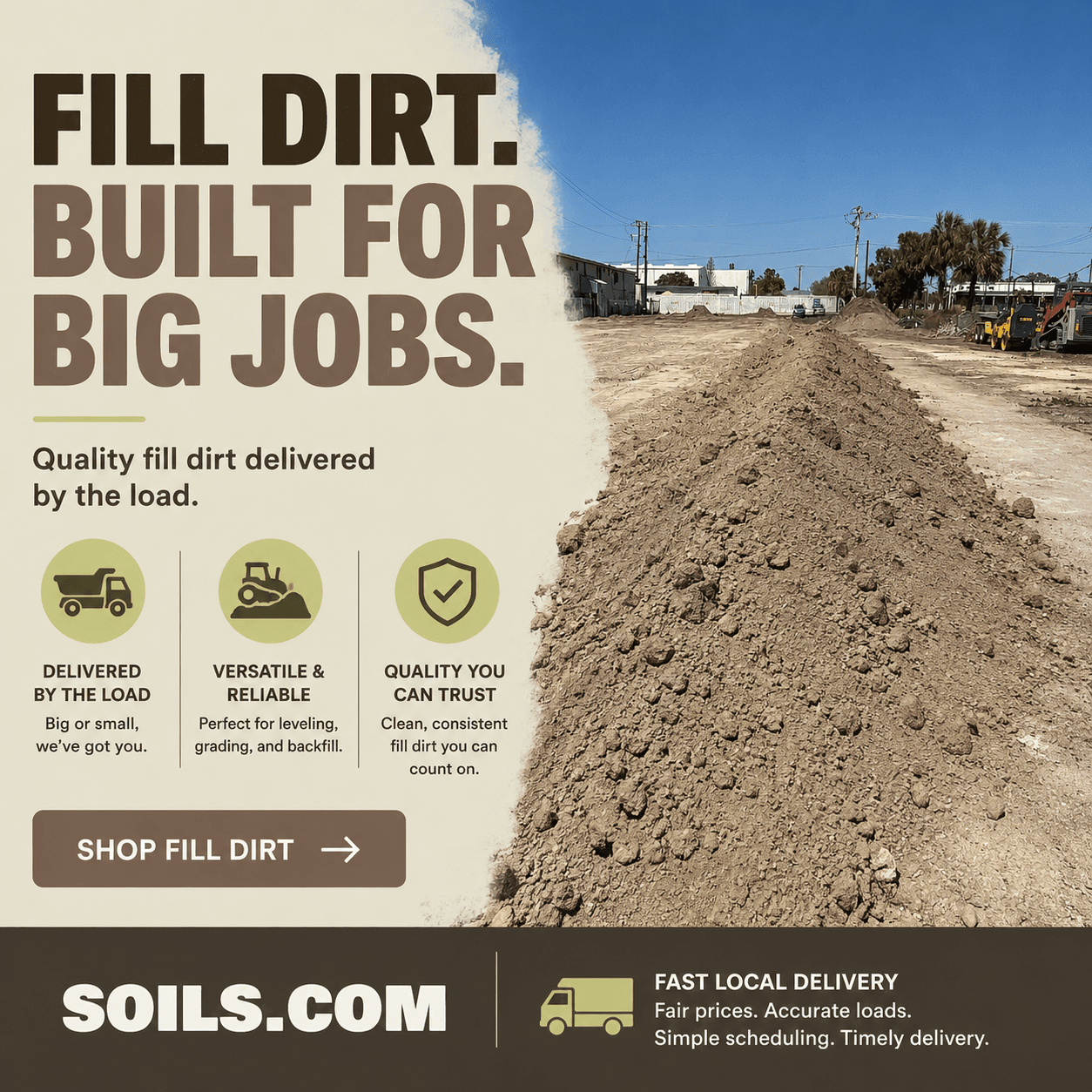
Order bulk fill dirt delivered to homes, landscaping projects, construction sites, and jobsites throughout Tampa and surrounding Hillsborough County communities. Fill dirt is commonly used for grading, filling low areas, building elevation, site preparation, and other earthwork where a growing layer isn't the primary purpose.

Enter your delivery ZIP code to confirm local availability and see delivered pricing for your Tampa project.

Not sure how much material you need? Use our Fill Dirt Calculator to estimate cubic yards based on your project dimensions and required depth.

Common Uses for Fill Dirt in Tampa

Grading and Elevation Changes

Fill dirt is commonly used when a project requires building or adjusting grade before the finished surface is established. This can include preparing landscape areas, correcting elevation differences, establishing underlying grade after construction, and other sitework applications.

The appropriate material, depth, placement, and compaction requirements depend on what the finished area needs to support. See our guide to fill dirt for Florida grading and sitework for more on selecting and using fill material under Florida conditions.

Filling Low Areas

Low areas may require additional material where the objective is to build elevation or restore the underlying grade. Fill dirt can be appropriate for certain filling applications, particularly where a growing layer isn't required throughout the full depth.

Before filling a low area, determine why the depression exists and whether drainage or another site condition needs to be addressed. See our guide on how to fill low areas in a yard for more on evaluating the area before adding material.

Construction and Site Preparation

Construction, excavation, utility work, and property improvements can require fill material to restore grade, fill excavated areas, or prepare portions of a site for the next stage of work.

Not every fill dirt product should automatically be considered structural or engineered fill. Projects with specific load-bearing, compaction, engineering, or construction requirements should use material that meets the applicable project specification.

Preparing for Landscaping or Topsoil

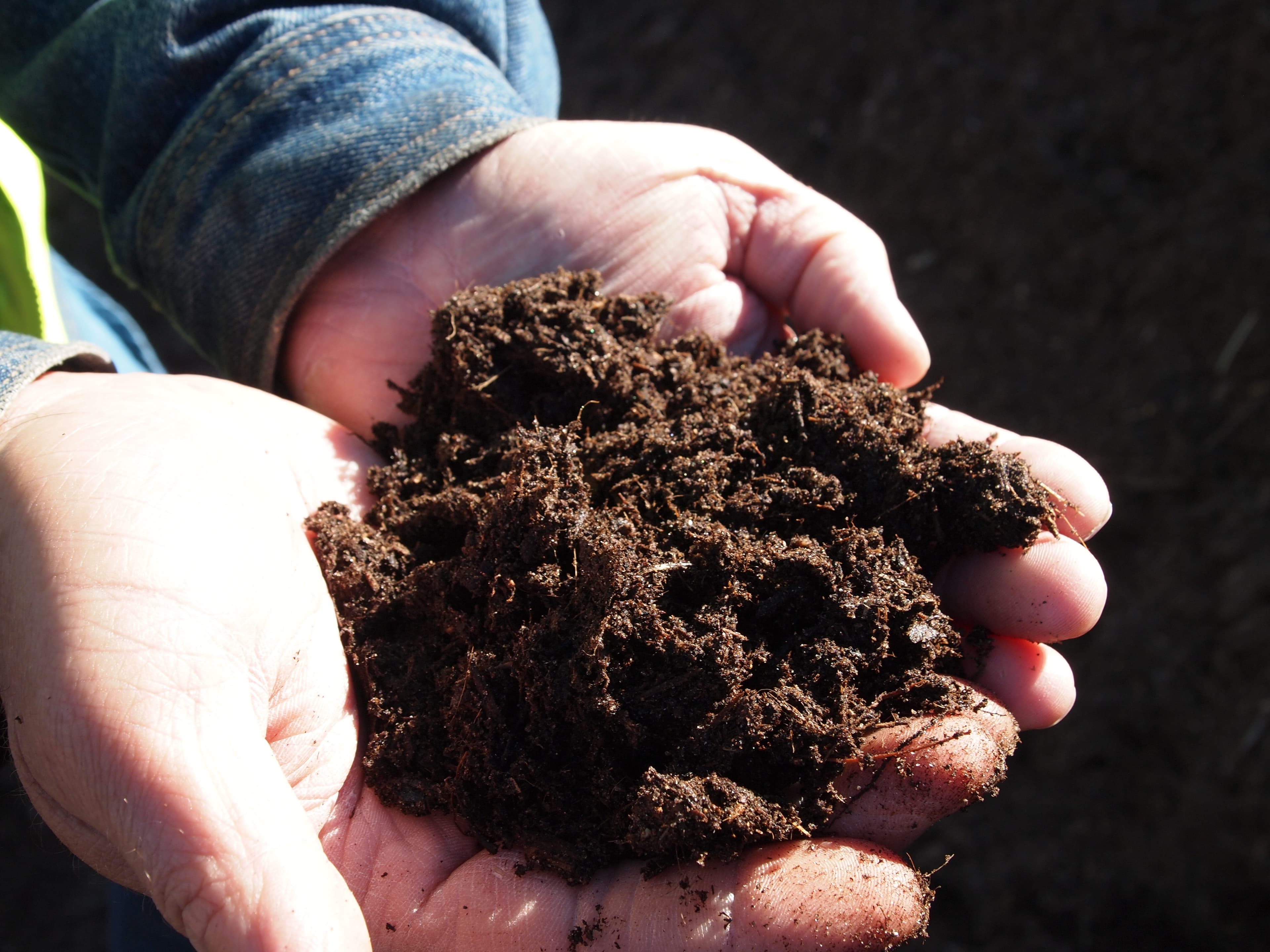
Fill dirt and topsoil can serve complementary roles when a project requires both elevation correction and a finished growing surface.

Fill dirt may be used to establish the underlying grade, while appropriate topsoil can be added as the upper growing layer for lawns, sod, gardens, or landscaping. The two materials shouldn't automatically be treated as interchangeable.

See our guide to topsoil vs. fill dirt for a closer comparison.

Aerial view of piles of soils, sands, stone, and aggregates in landscape supply yard

Fill Dirt and Tampa-Area Site Conditions

Sandy soils are common across Tampa and the surrounding Hillsborough County area, but conditions can vary substantially from one property to another. Existing fill, previous construction, excavation, drainage patterns, groundwater conditions, landscaping, and past grading can all affect what is encountered on an individual site.

The important question isn't simply whether a Tampa property has sandy soil. It's what the project needs the added material to accomplish.

A shallow landscape correction, a deep low area, construction-related sitework, and a significant elevation change may have very different material and preparation requirements. Fill dirt can be appropriate where additional volume or grade is needed, but it shouldn't automatically be expected to solve an underlying drainage or site-stability problem.

For more background on the variability of Florida soils, see Florida soil types and what they mean for landscaping.

How Much Fill Dirt Do You Need in Tampa?

Fill dirt quantity depends on the area being filled and the average depth of material required.

Length (ft) × Width (ft) × Depth (inches) ÷ 324 = Cubic Yards

Grading and filling projects can be more difficult to estimate than uniformly covering a flat area because the required depth may vary across the site. If one part of the project requires 3 inches of material and another requires 12 inches, calculating the entire area at either depth may produce a poor estimate.

Use our Fill Dirt Calculator for a quick estimate. For irregular areas, take representative depth measurements or divide the project into smaller sections when appropriate.

How Deep Should Fill Dirt Be?

There isn't one standard fill depth for every Tampa project. The required depth depends on the existing grade, desired finished elevation, project application, underlying conditions, and what the completed area needs to support.

Minor surface correction is different from filling a substantial depression or raising the elevation of a larger area. Deeper or more complex fill projects can also introduce placement, compaction, drainage, and engineering considerations that aren't addressed simply by calculating cubic yards.

If a lawn, sod, or planting area will be established afterward, remember that the entire filled depth doesn't necessarily need to consist of topsoil. Fill and finished growing layers should be planned according to their separate functions.

Fill Dirt and Drainage Problems

Fill dirt can be used to establish or change grade where appropriate, but simply adding dirt to an area doesn't automatically correct a drainage problem.

Standing water or persistently wet areas can be related to surface grade, runoff, surrounding soil, drainage outlets, groundwater, roof discharge, neighboring properties, or other site conditions. Filling a depression without understanding where the water will go may move the problem rather than solve it.

If water management is part of the project, see our guide to choosing materials for Florida yard drainage before assuming that additional fill alone is the solution.

Dumptruck dumping aggregates at construction site, close up view

Bulk Fill Dirt Delivery in Tampa and Hillsborough County

Soils.com provides bulk fill dirt delivery for residential, commercial, landscaping, grading, construction, and sitework projects in Tampa and surrounding communities.

Tampa-area service may include nearby communities such as Brandon, Riverview, Town 'n' Country, and Temple Terrace, depending on the delivery address and current supplier coverage.

Enter your exact ZIP code to confirm product availability and delivered pricing for your location. Final availability can depend on the delivery ZIP, order quantity, supplier coverage, and whether the property provides safe access for the delivery vehicle.

For more on delivery access, dump-site preparation, quantities, and what to expect when ordering, see our guide to bulk landscape material delivery in Florida.

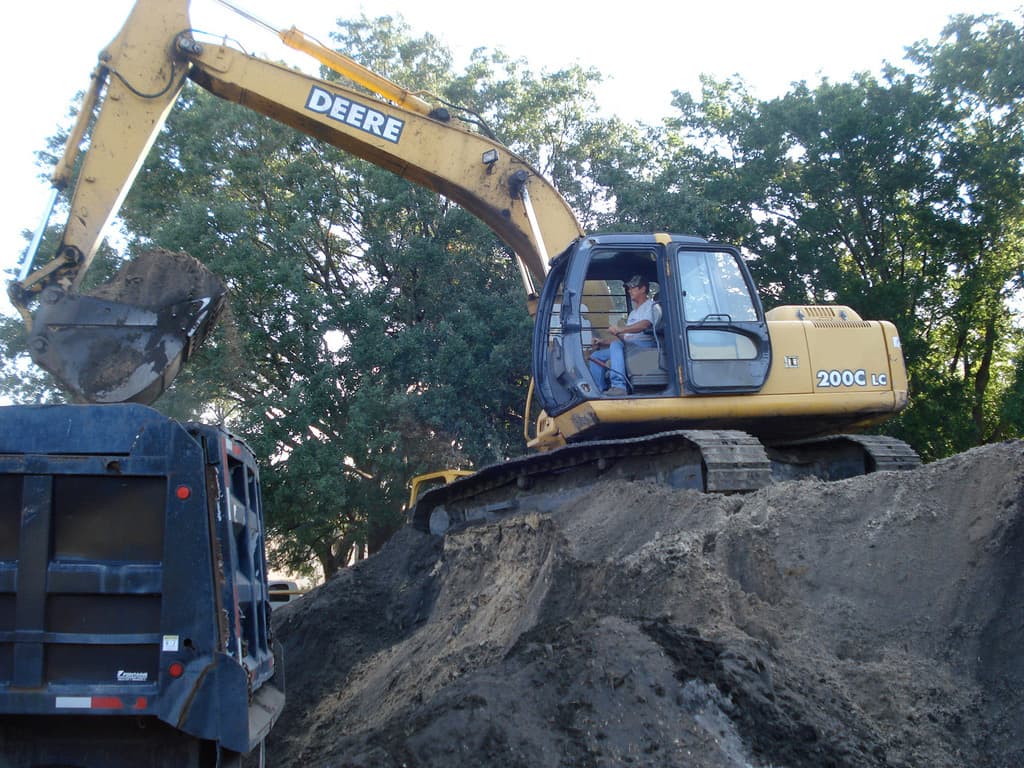
Bulk material is delivered by dump truck, so consider driveway width, overhead clearance, gates, utilities, ground conditions, and a suitable location for the material to be dumped before delivery. Larger fill projects may require more than one load, depending on the quantity required and delivery equipment.

Tampa Fill Dirt FAQs

What is fill dirt used for in Tampa?

Fill dirt is commonly used for grading, filling low areas, building elevation, site preparation, restoring grade after excavation, and other projects where additional earth material is required. Suitability depends on the project and any applicable material or engineering requirements.

How much fill dirt do I need?

The amount depends on the area being filled and the average depth required. Use the Fill Dirt Calculator to estimate cubic yards. For uneven areas, several representative depth measurements may provide a better estimate than using only the deepest point.

What's the difference between fill dirt and topsoil?

Fill dirt is generally used to build grade, change elevation, or fill volume, while topsoil is generally used as a finished growing layer for lawns, sod, gardens, and landscaping. See topsoil vs. fill dirt for a complete comparison.

Can fill dirt be used to fill low spots in a yard?

It may be appropriate for certain low areas where the objective is to restore or build grade. However, determine why the low area exists first, particularly if it collects water. Filling the depression without addressing the underlying drainage condition may not solve the problem.

Can fill dirt be used under topsoil?

Yes, fill dirt may be used to establish the underlying grade where appropriate, with topsoil added as the finished growing layer for lawns, sod, or landscaping. The required materials and depths depend on the project and site conditions.

Ready to Order Fill Dirt in Tampa?

Whether you're filling a low area, adjusting grade, preparing a site, or restoring elevation after excavation, start by determining the area and average depth your project requires.

Enter your Tampa-area delivery ZIP code to confirm current fill dirt availability and delivered pricing.

Request a Quote →