

Recent
2 loads Baseball Clay/Tampa, FL/recently2 loads Recycled Asphalt Millings/Orlando, FL/recently1 load Coarse DOT Sand/Orlando, FL/recently80 tons Limerock #89 - 3/8" natural stone pea gravel/Orlando, FL/recently8 loads Recycled Concrete Screenings Fines/Vero Beach, FL/recently18 yd Topsoil/Plant City, FL/recently20 tons Recycled Concrete 57 Stone/Lake Placid, FL/recently20 tons Recycled Concrete 57 Stone/Lake Placid, FL/recently2 loads Baseball Clay/Tampa, FL/recently2 loads Recycled Asphalt Millings/Orlando, FL/recently1 load Coarse DOT Sand/Orlando, FL/recently80 tons Limerock #89 - 3/8" natural stone pea gravel/Orlando, FL/recently8 loads Recycled Concrete Screenings Fines/Vero Beach, FL/recently18 yd Topsoil/Plant City, FL/recently20 tons Recycled Concrete 57 Stone/Lake Placid, FL/recently20 tons Recycled Concrete 57 Stone/Lake Placid, FL/recently

St. Petersburg, FL bulk recycled #57 concrete delivery

Recycled #57 Concrete Delivery in St. Petersburg, FL

Order bulk recycled #57 concrete delivered to homes, construction sites, landscaping projects, and jobsites throughout St. Petersburg, Florida. Recycled #57 concrete is processed crushed concrete sized into a #57-type aggregate product and may be used for certain drainage, driveway, construction, hardscape, and sitework applications where its characteristics meet project requirements.

Enter your delivery ZIP code to confirm local availability and see delivered pricing for your St. Petersburg project.

Not sure how much material you need? Use our Recycled #57 Concrete Calculator to estimate the quantity based on your project dimensions and required depth.

Common Uses for Recycled #57 Concrete in St. Petersburg

Drainage Applications

Recycled #57 concrete may be appropriate for certain drainage applications when the supplied product's gradation, fines content, and other characteristics meet the requirements of the drainage system.

Larger aggregate can provide interconnected void spaces through which water can move, but drainage performance depends on more than aggregate size. Surrounding soil, filtration or separation requirements, slope, drainage pathways, and the outlet all affect how the overall system performs.

See our guide to best aggregate for Florida drainage projects for more on selecting aggregate under Florida conditions.

Driveways and Access Areas

Recycled #57 concrete may have a role in certain driveway, access-area, and aggregate-surface systems.

However, #57 aggregate shouldn't automatically be treated as the correct compacted base for every driveway. A dense-graded base containing a broader range of particle sizes can perform differently from a relatively open #57 aggregate.

St. Petersburg driveway projects should account for existing ground conditions, drainage, expected traffic, and the complete base and surface system.

See best driveway base materials for Florida conditions before selecting material for a driveway project.

Construction and Sitework

Recycled concrete aggregate can be used for various construction and sitework applications where recycled material is permitted and the supplied product meets project requirements.

Potential uses can include aggregate layers, drainage-related work, site preparation, and other specified applications.

For engineered, structural, municipal, or specification-driven projects, confirm the required material characteristics rather than assuming that every #57 aggregate product is interchangeable.

Hardscape and Landscape Projects

Recycled #57 concrete may also be considered for certain hardscape, landscape drainage, and site-preparation projects where a larger recycled aggregate is appropriate.

The important question is what function the aggregate needs to perform. Structural base, drainage aggregate, bedding material, and finished surface material can have different requirements even when they're used within the same project.

Aerial view of piles of soils, sands, stone, and aggregates in landscape supply yard

What Is Recycled #57 Concrete?

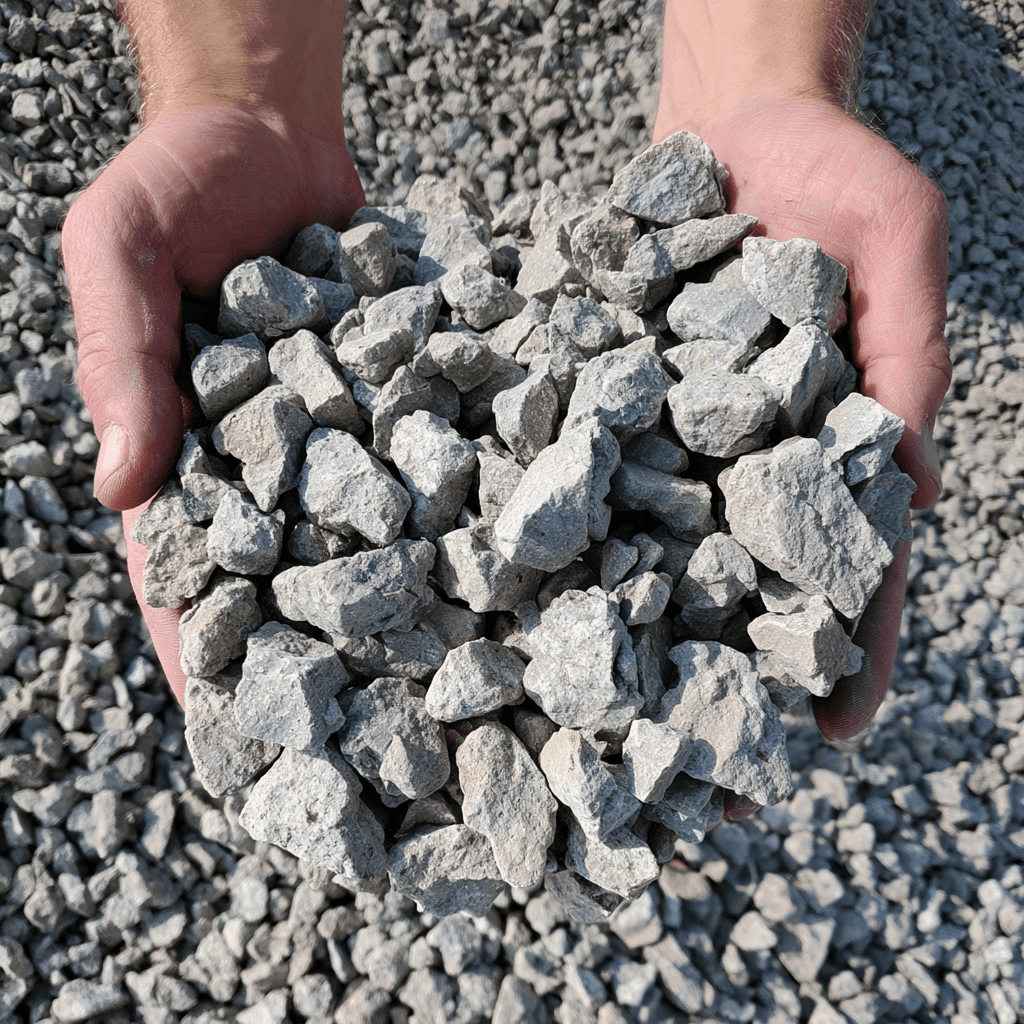
Recycled #57 concrete is produced by crushing and processing recovered concrete and separating the material into an aggregate size or gradation commonly described as #57.

The name describes two different characteristics:

Recycled concrete identifies the source material.

#57 identifies an aggregate size or gradation classification.

That distinction is important because not every #57 aggregate is recycled concrete. #57 products can also be produced from virgin materials such as limestone.

Likewise, recycled concrete can be processed into other sizes, including much finer screenings.

For a broader comparison of recycled concrete and limestone aggregate, see #57 limestone vs. recycled concrete.

Recycled #57 Concrete and St. Petersburg-Area Site Conditions

St. Petersburg projects can encounter sandy soils, imported fill, disturbed ground, and previously developed sites with varying subgrade conditions.

Before placing recycled #57 concrete, consider both the existing ground and what the aggregate needs to accomplish. Soft areas, unstable fill, significant grade differences, or an inadequate underlying base may require additional preparation before aggregate is installed.

For drainage, driveway, and hardscape projects, surface elevations and water movement should also be considered before stone is placed. Adding aggregate alone shouldn't be expected to correct an existing grading problem or provide an outlet for standing water.

For broader context on Florida ground conditions, see Florida soil types and what they mean for landscaping.

How Much Recycled #57 Concrete Do You Need in St. Petersburg?

Quantity depends primarily on the project area and required aggregate depth.

For a rectangular area:

Length (ft) × Width (ft) × Depth (inches) ÷ 324 = Cubic Yards

For example, a 20-foot × 15-foot area at a specified 3-inch depth has a geometric volume of approximately 2.8 cubic yards.

This example demonstrates the calculation only; it isn't a recommended installation depth.

Use our Recycled #57 Concrete Calculator to estimate the quantity based on your project dimensions.

If the material is ordered by weight, use the applicable product or supplier-specific conversion rather than assuming one universal tons-per-cubic-yard figure.

How Deep Should Recycled #57 Concrete Be?

There isn't one standard depth for every St. Petersburg project.

Required depth depends on the application, function of the aggregate layer, underlying conditions, expected loads, and any applicable installation or project specifications.

A drainage layer, driveway application, hardscape project, and construction application may require substantially different configurations.

Determine the required material and layer depth first, then calculate quantity. Increasing the depth of #57 aggregate shouldn't automatically be used as a substitute for correcting an inadequate subgrade or installing another required structural layer.

How Much Does Recycled #57 Concrete Cost in St. Petersburg?

Bulk recycled #57 concrete pricing in St. Petersburg depends on the quantity required, delivery ZIP, supplier coverage, hauling distance, processing source, material characteristics, and current availability.

Because aggregate is heavy and transportation is part of the delivered cost, comparing delivered pricing for the actual project location is generally more useful than looking only at a material price per ton or cubic yard.

Recycled aggregate may also be considered alongside virgin stone for some projects, but price shouldn't be the only basis for choosing between them. Confirm that the material meets the needs of the application first.

Enter your St. Petersburg ZIP code to confirm current availability and delivered pricing.

Recycled #57 Concrete vs. #57 Limestone

Recycled #57 concrete and #57 limestone may share a similar aggregate size classification while coming from different source materials.

Recycled #57 concrete is produced from processed concrete, while #57 limestone is produced from quarried limestone. Depending on the specific products, they can differ in composition, consistency, fines content, appearance, processing, specification acceptance, availability, and delivered cost.

Neither should automatically be considered the better material for every application. Selection should follow the requirements of the project.

See our guide to #57 limestone vs. recycled concrete for the full comparison, or view #57 Limestone in St. Petersburg if you're comparing locally available materials.

Recycled #57 Concrete vs. Recycled Concrete Screenings

Although both products originate from processed concrete, they shouldn't be treated as interchangeable.

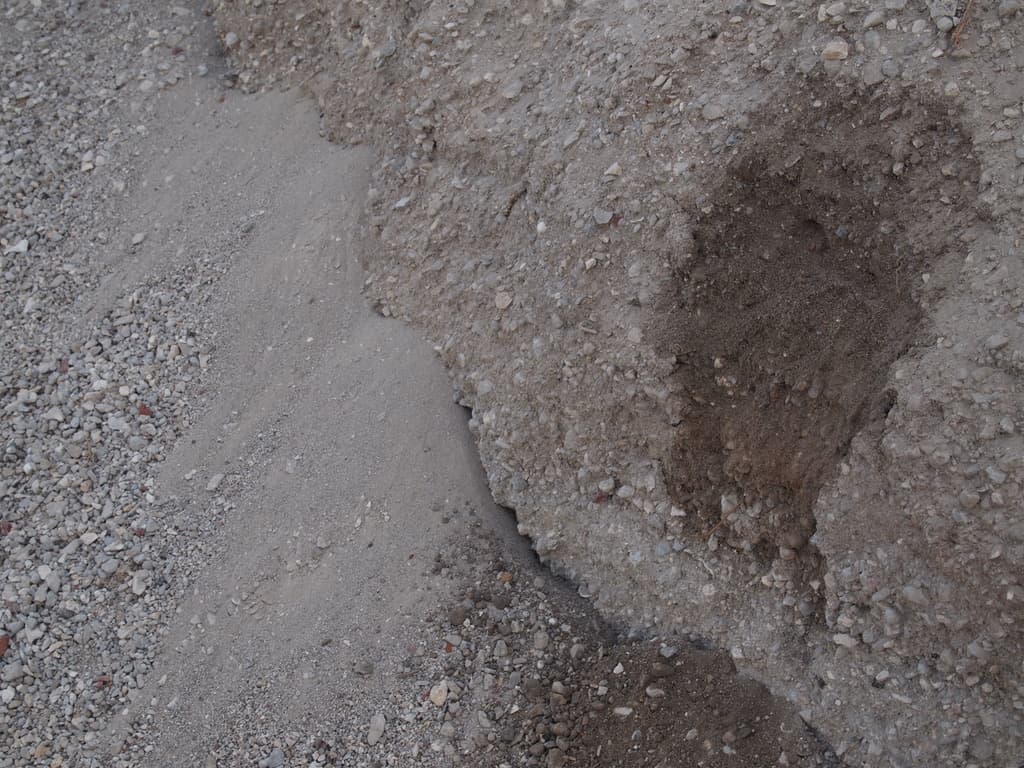
Recycled #57 concrete contains larger aggregate particles within a #57-type classification. Recycled concrete screenings or fines consist of substantially smaller particles generated during crushing and screening.

That difference affects characteristics such as void structure, drainage behavior, placement, compaction, and appropriate applications.

If your project requires a finer recycled aggregate, see Recycled Concrete Screenings Fines in St. Petersburg.

Recycled #57 Concrete for Drainage in St. Petersburg

Recycled #57 concrete can be appropriate for certain drainage applications when the supplied material meets the required gradation and fines characteristics.

However, the aggregate is only one part of a drainage system. Surrounding soil, filtration or separation requirements, surface and subsurface grades, drainage pathways, and a functioning outlet can all affect where water moves.

If the project involves a low area or standing water, determine where that water can discharge before simply adding aggregate. A stone-filled area without an adequate drainage path may still retain water.

See choosing materials for Florida yard drainage for a broader look at material selection and drainage planning.

Recycled #57 Concrete for St. Petersburg Driveway Projects

When recycled #57 concrete is being considered for a driveway or access area, determine what role the aggregate will serve within the complete surface system.

Existing subgrade, structural support, drainage, expected vehicle loads, compaction requirements, and the intended finished surface can all influence material selection.

If significant elevation correction is required, address that separately rather than assuming a thicker layer of #57 concrete will perform the same function as appropriate underlying fill or base material.

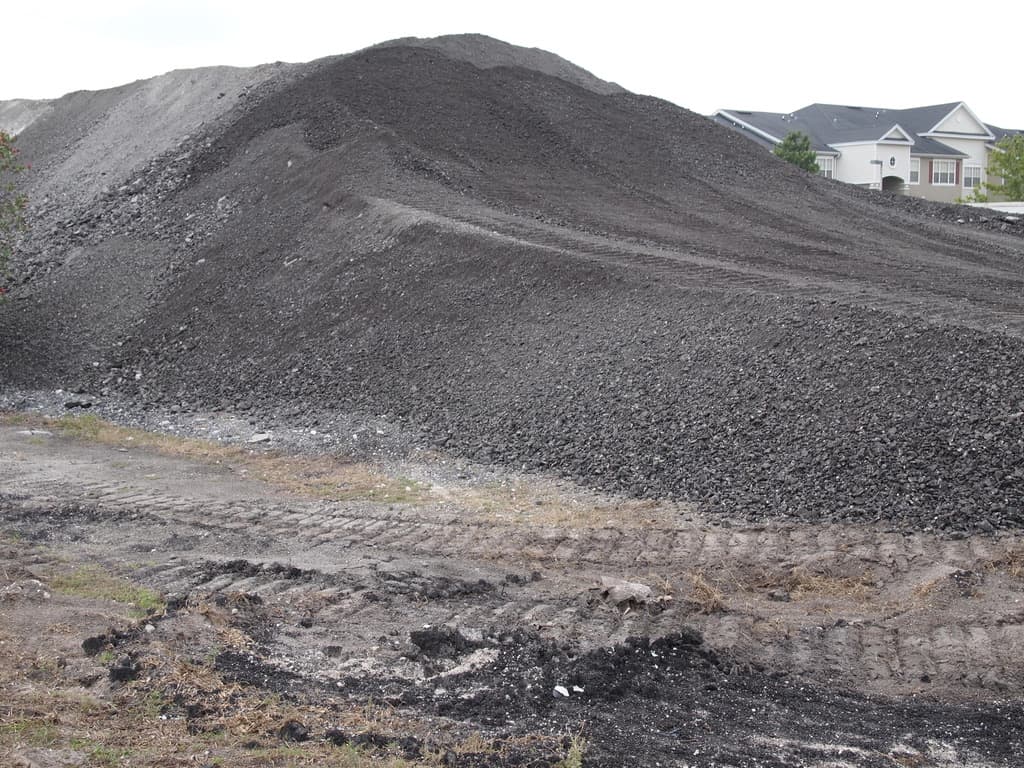
For projects where reclaimed asphalt is being considered as an alternative surface material, see Recycled Asphalt Millings in St. Petersburg.

Dumptruck dumping aggregates at construction site, close up view

Bulk Recycled #57 Concrete Delivery in St. Petersburg

Soils.com provides bulk recycled #57 concrete delivery for residential, commercial, driveway, drainage, hardscape, construction, and sitework projects in St. Petersburg.

Delivery availability is determined by the exact project address rather than the city name alone. Enter your ZIP code to confirm current product availability and delivered pricing for your location.

Final availability can depend on the delivery ZIP, quantity required, supplier coverage, and whether the property provides safe access for the delivery vehicle.

For more on delivery access, dump-site preparation, quantities, and what to expect when ordering, see our guide to bulk landscape material delivery in Florida.

Bulk material is delivered by dump truck, so consider driveway width, gates, overhead clearance, utilities, tree limbs, ground conditions, and a suitable location for the material to be dumped before delivery.

St. Petersburg Recycled #57 Concrete FAQs

What is recycled #57 concrete used for?

Recycled #57 concrete may be used for certain drainage, driveway, construction, hardscape, landscaping, and sitework applications where its gradation and material characteristics meet project requirements.

Is recycled #57 concrete good for drainage?

It can be appropriate for certain drainage applications, but suitability depends on the actual gradation, fines content, surrounding soil, and drainage-system requirements. The complete drainage path and outlet also need to be considered.

Is recycled #57 concrete the same as #57 limestone?

No. Both can use a #57 aggregate classification, but recycled #57 concrete is produced from processed concrete while #57 limestone is produced from quarried limestone. Their material characteristics and specification acceptance can differ.

What's the difference between recycled #57 concrete and recycled concrete screenings?

Recycled #57 concrete contains larger aggregate particles, while recycled concrete screenings consist of much finer material produced during processing. They can behave differently and shouldn't automatically be substituted for one another.

How much recycled #57 concrete do I need?

Quantity depends on the project area and required aggregate depth. Use our Recycled #57 Concrete Calculator to estimate the quantity from your project dimensions. If ordering by weight, use the applicable product-specific conversion.

Ready to Order Recycled #57 Concrete in St. Petersburg?

Whether you're planning a drainage project, driveway or access area, hardscape installation, or other sitework, start by confirming that recycled #57 concrete meets your project requirements and determining the quantity you need.

Enter your St. Petersburg delivery ZIP code to confirm current recycled #57 concrete availability and delivered pricing.

Request Quote →