



CW
Chris W.
Pensacola, FL
"ZIP, quote, pay. Truck the day they said, receipt matched the quote to the dollar."
Recommended
Soils
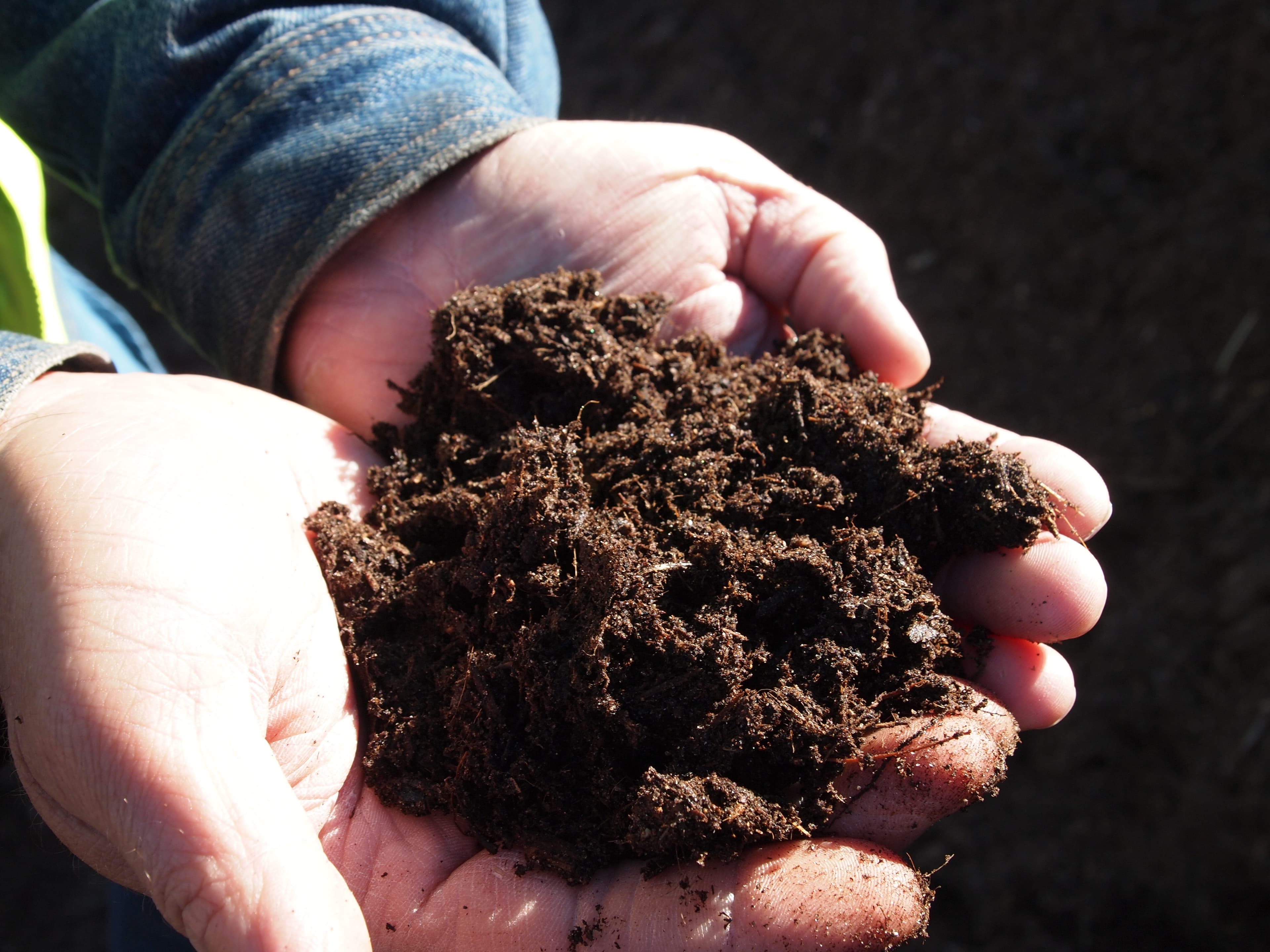
Topsoil
Check price
Price shown after city or ZIP
Soils
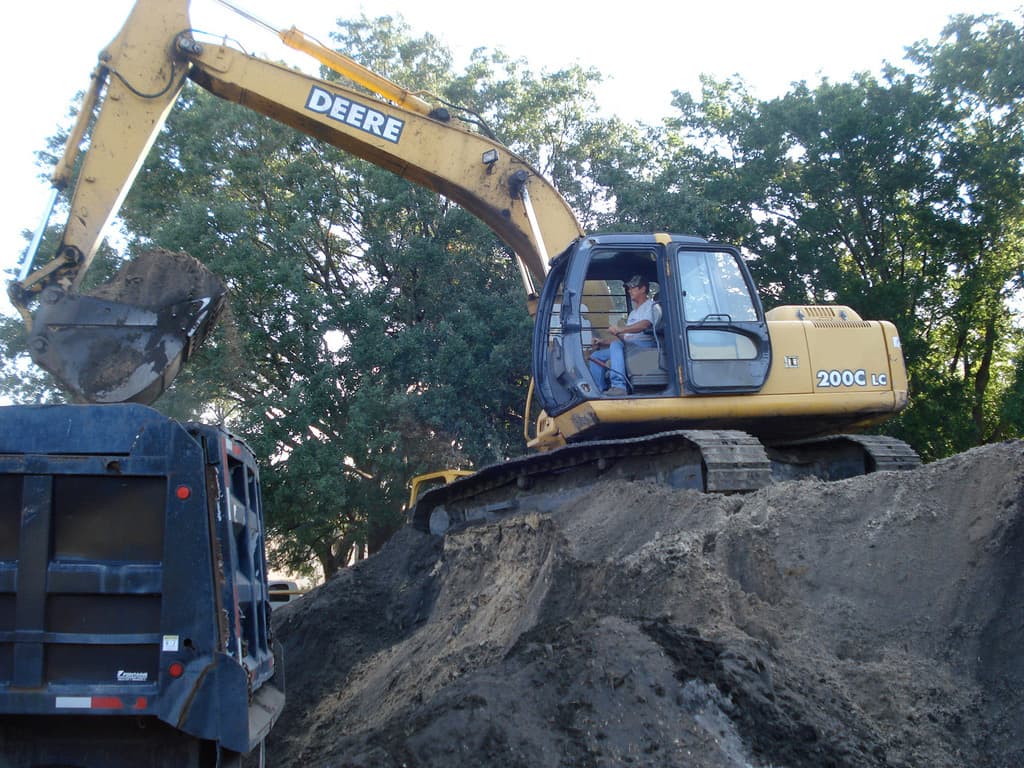
Fill Dirt
Check price
Price shown after city or ZIP
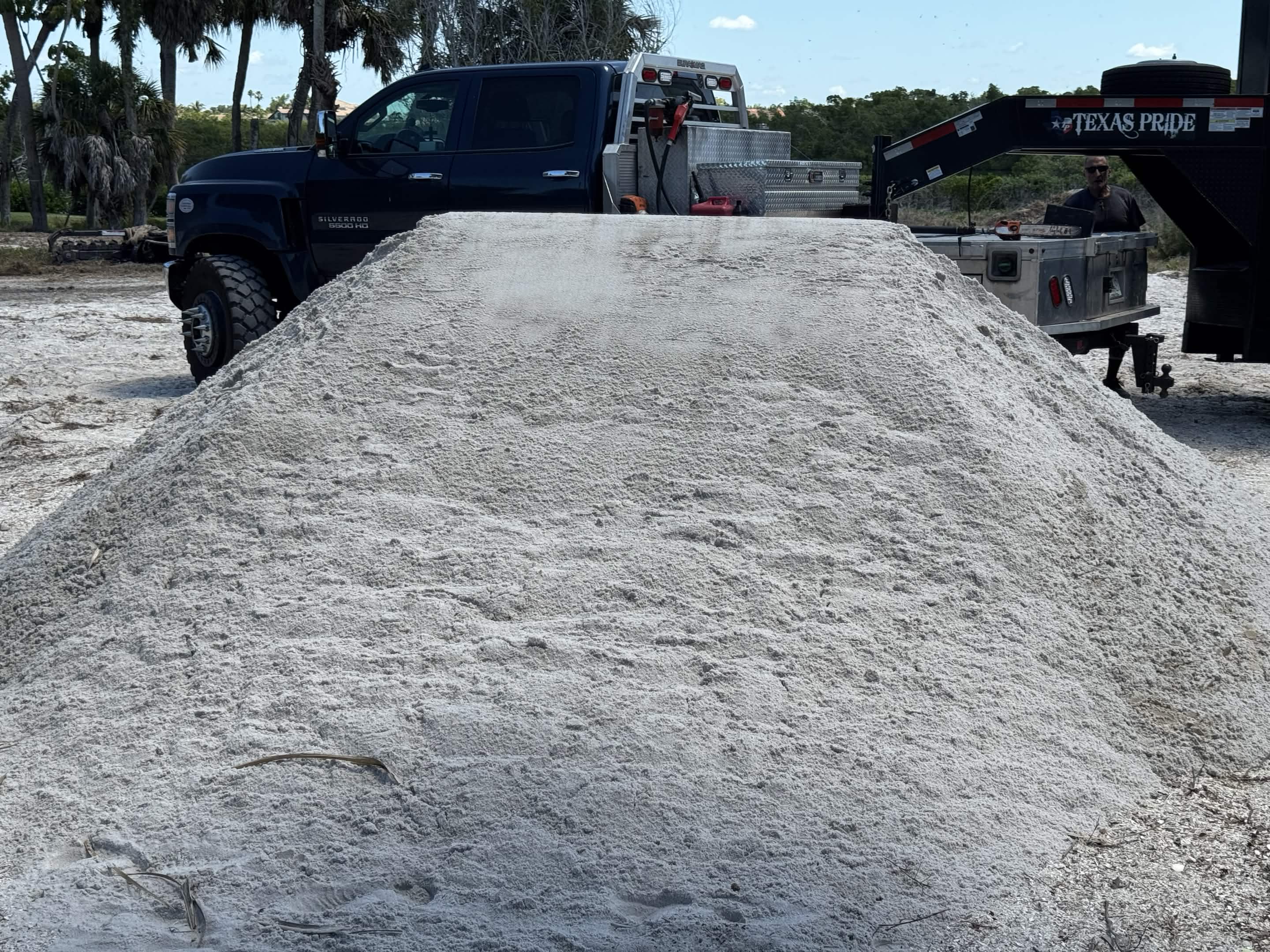
Sands
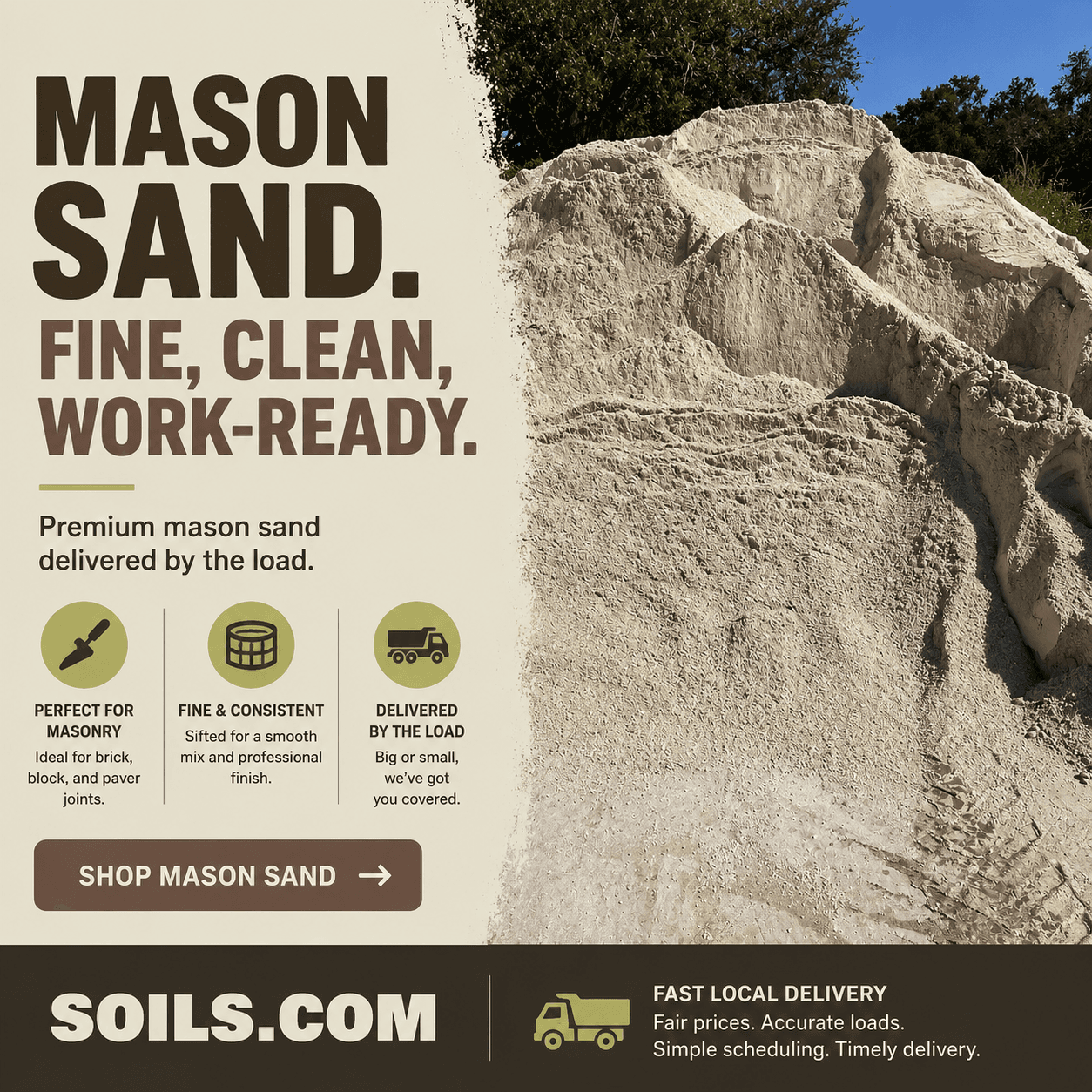
Mason Sand
Check price
Price shown after city or ZIP
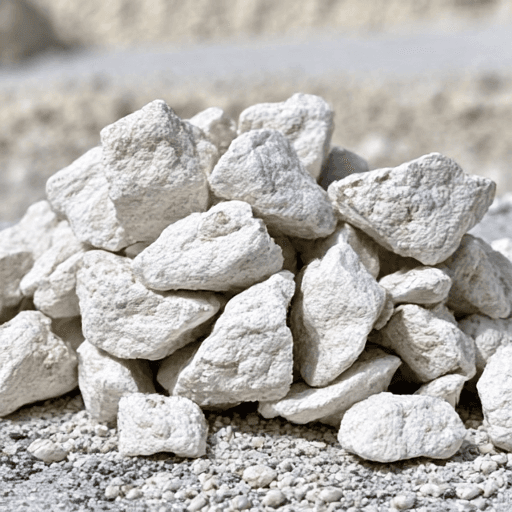
Aggregates
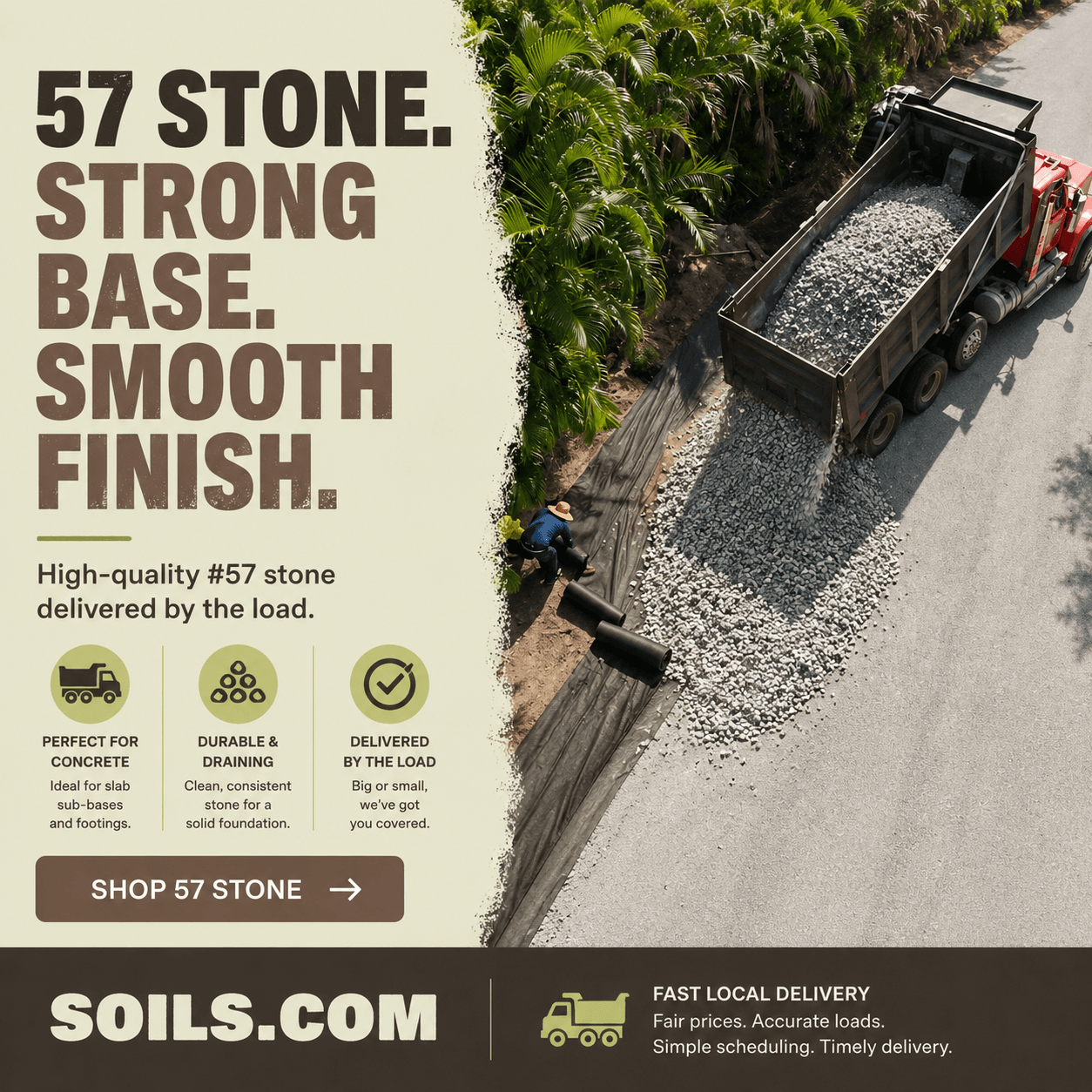
57 Limestone
Check price
Price shown after city or ZIP
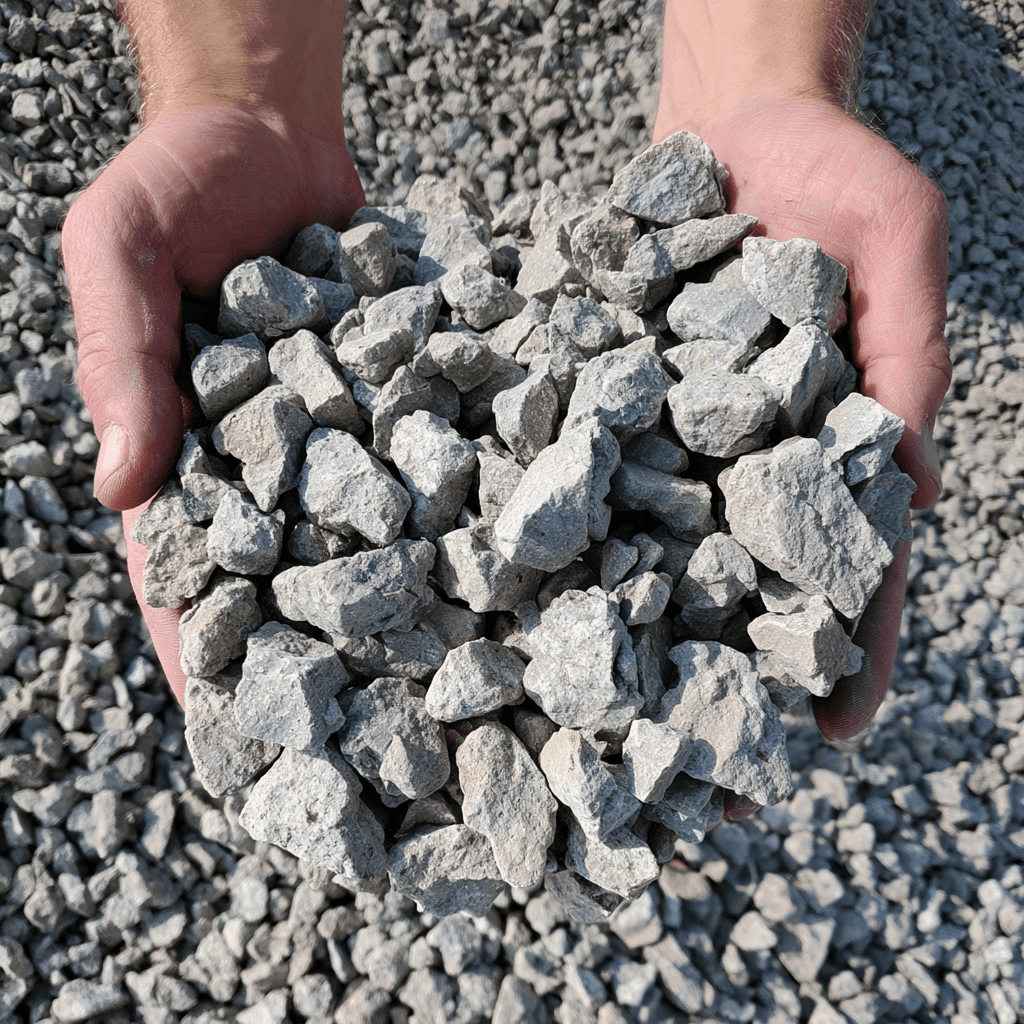
Aggregates
Recycled 57 Concrete
Check price
Price shown after city or ZIP
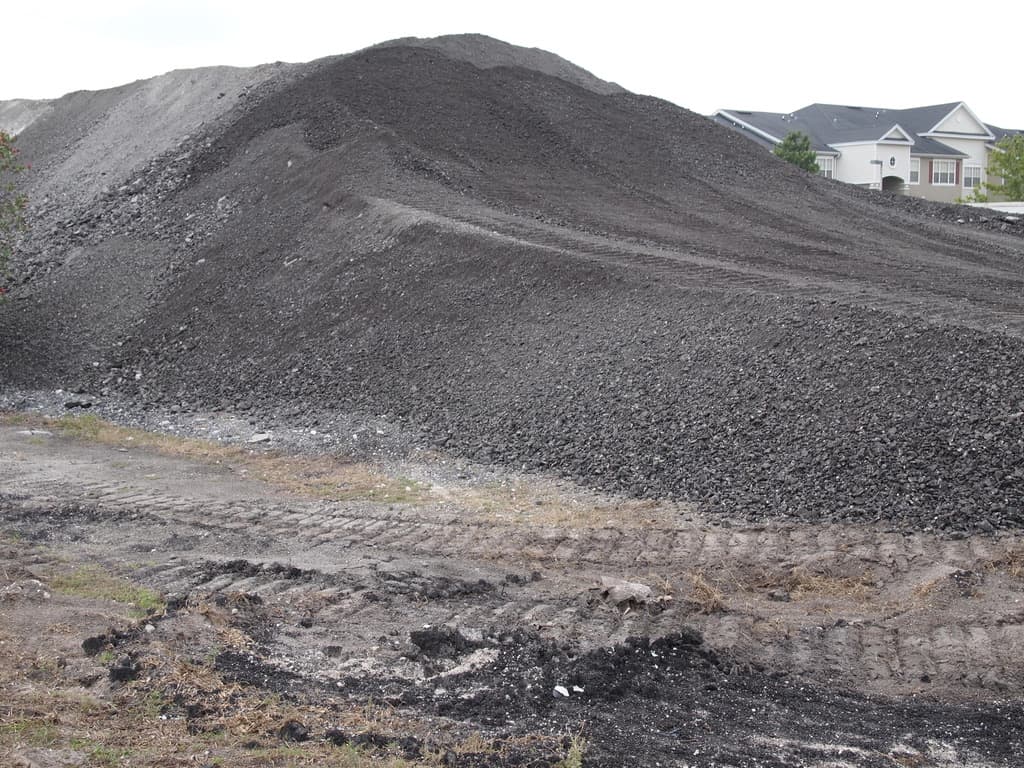
Aggregates
Crushed Asphalt Millings
Check price
Price shown after city or ZIP
Aggregates
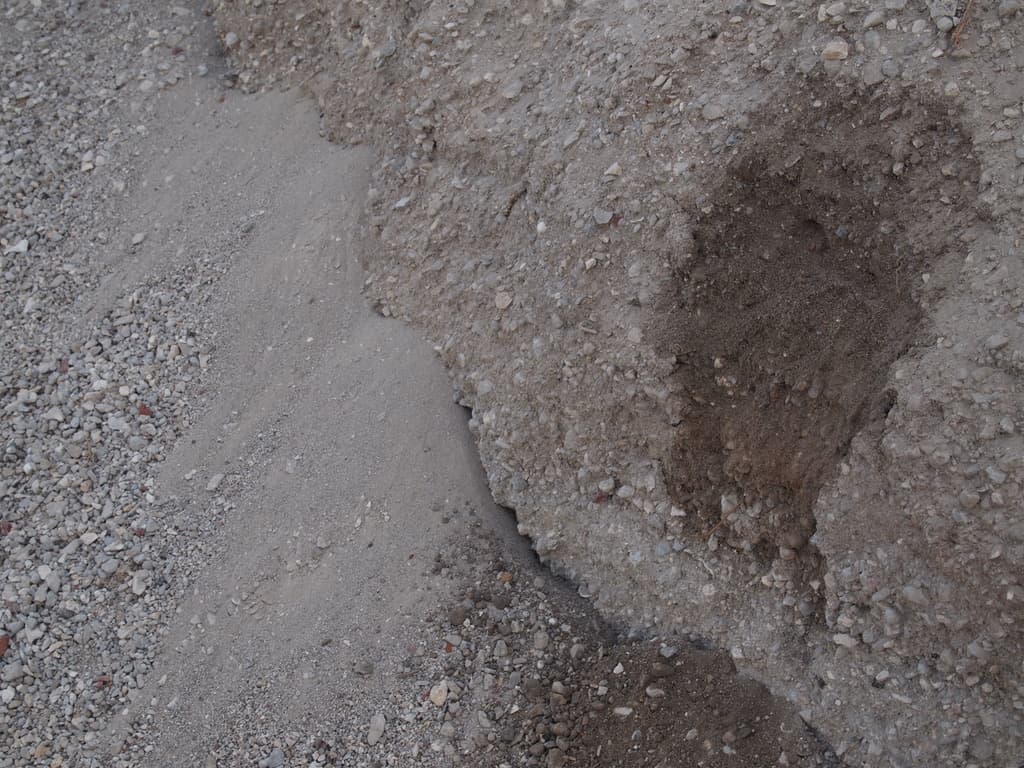
Recycled Concrete Screenings Fines
Check price
Price shown after city or ZIP
57 Limestone is a crushed limestone aggregate, commonly called limerock in Florida, graded as #57 stone and sized from 1/2 to 1 inch. It is ideal for driveways, drainage, retaining walls, foundation bases, and other construction projects. It compacts firmly while providing excellent drainage. Enter your ZIP code to view delivered pricing and schedule delivery at checkout.
View Product57 Concrete is a recycled concrete aggregate (RCA) graded to #57 stone (3/4"–1"), making it ideal for driveways, parking areas, road base, drainage, and other construction projects. Made from crushed recycled concrete, it delivers performance comparable to virgin limestone at a lower cost while helping reduce construction waste. Enter your ZIP code to view delivered pricing and schedule delivery online.
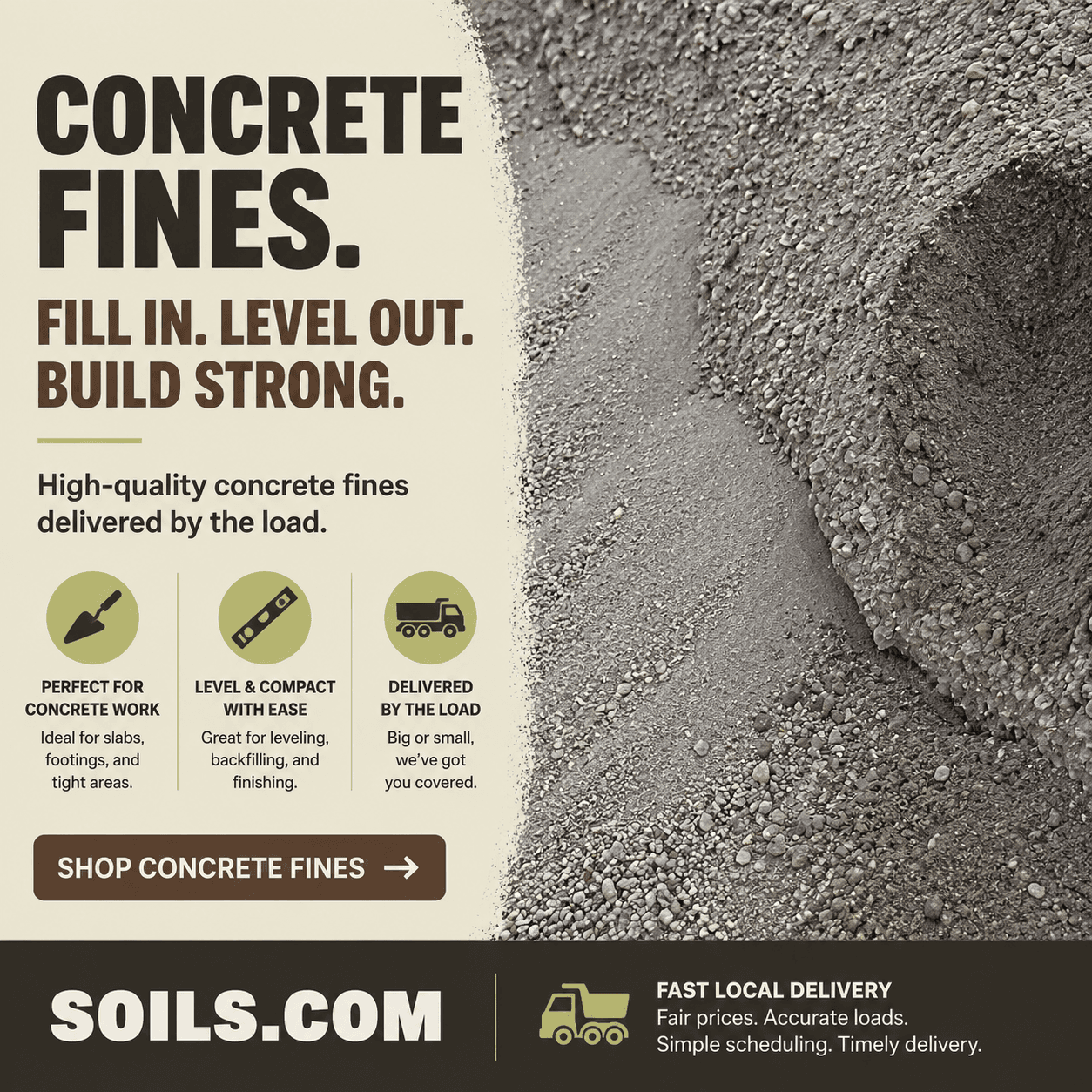
View ProductRecycled Concrete Screenings Fines are produced from crushed recycled concrete screened to a 3/8-inch minus gradation, creating a dense, stable base for a wide range of construction and hardscape projects. As the material is compacted, the finer particles fill the voids between the larger pieces, forming a firm surface that resists shifting under load. Made from 100% recycled concrete, it offers a cost-effective alternative to virgin limestone screenings while helping reduce construction waste.
Recycled Concrete Screenings Fines are commonly used as a compactable base beneath paver patios, walkways, driveways, concrete slabs, shed pads, asphalt surfaces, utility trenches, and other hardscape projects. Their ability to compact tightly makes them an excellent choice anywhere a stable, level foundation is required before installing finished surfaces.
The blend of crushed concrete particles and fine material allows Recycled Concrete Screenings Fines to compact into a dense, durable base with excellent load-bearing characteristics. Because the material is produced from recycled concrete, slight color variations and occasional trace amounts of inert materials such as mortar or brick may be present. These natural variations are expected and do not affect the material's structural performance or suitability for most residential and commercial applications.
Enter your ZIP code to receive live delivered pricing, choose the quantity your project requires, and schedule delivery directly online. Bulk orders are delivered by dump truck, with next-day delivery available in many Florida service areas.
Recycled concrete screenings fines is crushed recycled concrete sized 3/8 inch minus, meaning every piece passes through a 3/8-inch screen down to a fine dust. Because the small particles lock together with the dust, it compacts tightly to a hard, stable surface. That is why it is used as a base layer under pavers, concrete slabs, and asphalt rather than as a decorative top layer. We deliver it in bulk by dump truck across all Florida counties.
Recycled concrete screenings fines is used as a base or sub-base layer where you need a flat, hard, well-compacted foundation. The most common Florida uses are paver installation bases for patios, walkways, and driveways; concrete slab sub-bases for sheds and AC pads; asphalt sub-bases; and road base repair. It is not meant for decorative surface use, mortar or concrete mixes, or primary structural fill without an engineer's review.
No. Concrete fines are your base material, the thick compacted layer under everything. The 1-inch setting bed directly under the pavers must be a clean washed mason sand. Using fines as bedding sand leads to uneven settling and joint failures because the material is too varied in size to screed flat. Fines for the base, mason sand for the bedding.
Yes. A 4-inch compacted layer of recycled concrete fines makes a stable, well-draining base for sheds, prefab buildings, outdoor kitchens, AC units, and residential slabs. The typical Florida build is 4 inches of compacted fines over geotextile fabric. For permitted or load-bearing slabs such as garages or accessory structures, confirm with your building department that recycled aggregate is approved in your local code before ordering.
Same source material, crushed and screened to different sizes for different jobs. The fines (3/8 inch minus) include all the small particles that pack tight and form a dense, load-bearing base for pavers, slabs, and pads. The 57 stone (3/4 to 1 inch) is clean of fines so it drains freely, which is what you want for driveways, French drains, and behind retaining walls. Clean 57 drains beautifully but will not compact, so pavers laid on it will rock under load. Simple rule: if it needs to bear weight, use fines. If it needs to drain, use 57.
Both materials are excellent compactable base products for pavers, patios, walkways, slabs, and other hardscape projects. The primary difference is the source material. Recycled Concrete Screenings Fines are produced from crushed recycled concrete, while limestone screenings are made from newly quarried limestone.
Recycled Concrete Screenings Fines are often the more economical option and help reduce construction waste by reusing existing concrete. Limestone screenings provide a more uniform color and composition, which may be preferred for projects with strict engineering specifications or aesthetic requirements. Both materials compact into a dense, stable base when properly installed and are suitable for most residential and commercial applications.
If you're looking for a durable, cost-effective base material with environmental benefits, Recycled Concrete Screenings Fines are an excellent choice. If your project specifically requires virgin aggregate, limestone screenings may be the better option.
Crusher dust and stone dust are fine byproducts of crushing virgin stone, often sold as a finishing material for joints and surface dressing. Recycled concrete fines are crushed from demolished concrete and screened to a specific gradation that compacts under load into a structural base. They are not interchangeable for paver or slab base work. If your project calls for a graded base, use fines. Stone dust is for finishing, not foundation.
On most Florida sites, yes. Non-woven geotextile fabric, also called landscape separation fabric, goes between the native subgrade and the fines to stop fine sand and clay from pumping up into your base when saturated. On a clean, well-drained sandy subgrade you can sometimes skip it for a small pedestrian patio, but if you see any organics, dark muck, or standing water in the excavation, it is not optional. It's inexpensive insurance against the most common cause of paver failure: subgrade pumping.
For a pedestrian patio, 4 inches of compacted fines is the minimum. For a driveway, 6-8 inches. The critical detail most first-timers miss: compact in layers of 2-3 inches at a time, not all at once. A plate compactor only reaches about 3 inches of effective compaction per pass, so dumping 6 inches and running the plate over the top gives you a hard skin over loose material that will fail. Mist each layer lightly with water before compacting for best results.
Recycled concrete fines are widely accepted as base material by Florida residential building departments for most non-structural applications. For permitted or engineered work, confirm the spec accepts recycled aggregate before ordering. If you are unsure, call your building department or send us the spec sheet and we will help confirm whether this product fits your project.
Color variation is normal and expected. Recycled concrete comes from different demolition sources, and each original concrete mix had different proportions, aggregate types, and ages. The result is a range of gray tones from load to load. The variation does not affect performance or compaction. For applications where consistent appearance matters, virgin limerock screenings offer a more uniform color.
For a 10x10 paver patio (100 sq ft) with a 4-inch compacted base, you need roughly 2 tons of recycled concrete fines. Add 10-15% for compaction loss, which puts you at about 2.2-2.3 tons ordered to finish at 100 sq ft. In cubic yards that is roughly 1.85 cu yd. Use our materials calculator on this page for an instant estimate on any patio size.
Bulk materials cannot be returned once dumped. Leftover fines are useful though: they fill low spots in a driveway, level a shed pad, or stabilize a muddy area. If you come up short, we can usually deliver a top-up load within a day or two, though a second delivery carries its own delivery fee. Best approach: use our calculator, add a 15-20% buffer, and order it all in one trip.
Yes. We deliver recycled concrete screenings fines across Florida, including Tallahassee, Jacksonville, Gainesville, Orlando, Lakeland, Clearwater, Tampa, St. Petersburg, Port St. Lucie, West Palm Beach, Fort Myers, Cape Coral, Pompano Beach, Fort Lauderdale, Hialeah, and Miami, plus surrounding areas. Enter your ZIP on the product page for an all-in delivered price with no hidden fees, pick a delivery date, and a dump truck drops the fines in a single pile at the most accessible spot on your property. Someone must be available on site to receive the delivery.
Pensacola, FL
"ZIP, quote, pay. Truck the day they said, receipt matched the quote to the dollar."
Cape Coral, FL
"Weekend project. Was nervous about getting a slot at all. Booked Wednesday night and it was on the driveway by Friday morning. Honestly easier than calling around for two days like I usually do."
Ocala, FL
"My contractor bailed two days before the pour. Had to order the load myself with zero clue what I was doing. The price was right there on the page, no quote phone tag. Truck was on time. That alone saved the schedule."
Vero Beach, FL
"Got the quote in maybe a minute. Scheduled it for Thursday and they were there Thursday. Flagged the irrigation lines in the order notes before booking — appreciated that it actually made it through to the route plan. No buried lines, no extra cleanup."
Hialeah, FL
"Was bracing for the usual: call three places, get three prices, half of them never call back. Pulled up the site, plugged in my ZIP, price was right there. Ordered Tuesday morning, had the load on the property Wednesday. Easiest part of the week, honestly."
Jupiter, FL
"Wasn't totally sure what I needed between fill and topsoil. Read the material pages, looked at both prices, picked the one that fit. Truck came the next day, no follow-up calls needed."